

The United States has decided to move forward with a massive military export package to Turkey in a major strategic gesture ahead of a high-profile summit in Ankara next month. The administration of President Donald Trump is preparing to finalize the sale of dozens of advanced jet engines to its NATO ally, bypassing persistent objections from senior lawmakers in the U.S. Congress. According to diplomatic sources familiar with the decision, the export package is valued at over $700 million and will supply the propulsion systems needed for Turkey’s first domestically designed combat aircraft. The decision represents a significant diplomatic olive branch, helping to ease long-standing defense disputes and solidifying security ties before global leaders gather in the Turkish capital.
The high-value transaction centers on a fleet of advanced military engines produced by American industrial giant General Electric. The hardware is earmarked to power the Kaan, Turkey’s first indigenous fifth-generation stealth fighter jet, a highly ambitious national project first launched in 2016. Turkish aerospace engineers designed the Kaan as a core pillar of Ankara’s long-term initiative to establish complete self-sufficiency in its domestic defense industry and reduce its reliance on foreign weapons manufacturers. By supplying the critical engine components, Washington is providing the technical lifelines required to transition the fighter jet program from the prototyping phase to full-scale assembly.
Despite the strategic importance of the deal, the administration is pushing the package through in the face of deep, bipartisan skepticism on Capitol Hill. During the informal congressional review process, Representative Gregory Meeks of New York, the top Democrat on the House of Representatives Foreign Affairs Committee, raised strong objections to the sale. Meeks refused to grant his informal green light for the export license, citing concerns over Turkey’s broader foreign policy alignment and its treatment of regional minorities. However, federal officials confirmed on Wednesday that the State Department intends to bypass these objections and issue a formal notification to Congress to finalize the deal in the coming days.
The decision to push past congressional opposition highlights the warm personal relationship between President Trump and Turkish President Tayyip Erdogan, who frequently praise each other’s leadership styles. However, the broader defense relationship has faced severe, long-standing strains. The primary source of friction stems from Washington’s decision in 2019 to remove Turkey from the high-tech F-35 fighter jet program and impose strict sanctions under federal law after Ankara acquired Russian-made S-400 air defense systems. The United States has consistently argued that the Russian radar technology poses an unacceptable intelligence threat to stealth platforms, creating a persistent deadlock that has blocked other defense exports for years.
The administration’s move to advance the sale comes nearly a year after Turkish Foreign Minister Hakan Fidan publicly expressed deep frustration over what he described as an artificial hold-up in the procurement process. Turkish defense planners had requested the General Electric engines months ago to keep their flight-testing schedule on track, arguing that the delays threatened Turkey’s national security and weakened NATO’s overall deterrent capabilities along its southern flank. By clearing the export backlog now, the White House is seeking to remove a major point of bilateral friction, ensuring a more cooperative atmosphere as preparations for the Ankara summit enter their final stages.
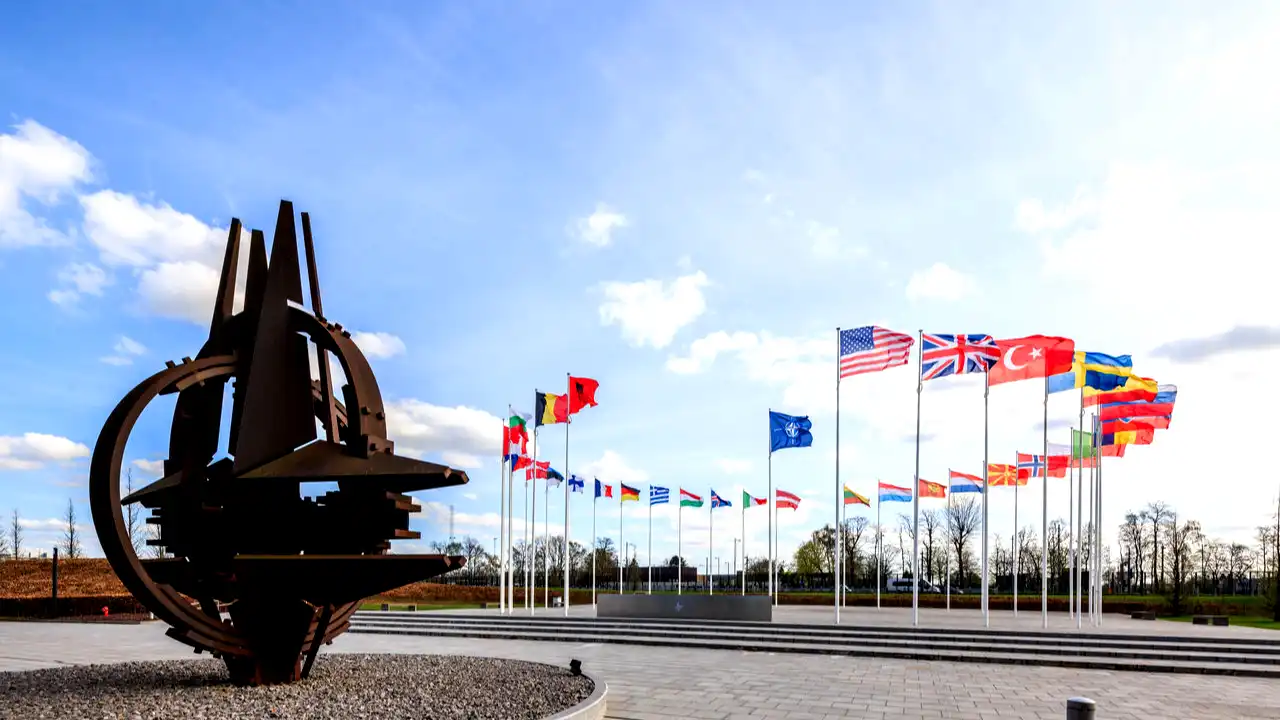
The timing of the engine sale is heavily calculated to set a positive tone for the upcoming NATO summit, which Turkey will host on July 7 and 8 at the presidential compound in Ankara. This historic gathering of heads of state and government will be the second NATO summit hosted by Turkey, following the 2004 meeting in Istanbul. Leaders of the 32 member nations are preparing to tackle highly sensitive debates, including burden-sharing, military modernization, and long-term security planning along Europe’s borders. By delivering the much-needed engine technology just weeks before the summit, Washington is successfully demonstrating its commitment to Turkey’s defense needs, helping to soften potential disagreements on other alliance priorities.
The acquisition of advanced propulsion technology coincides with a massive, high-performing expansion of Turkey’s own domestic defense sector. According to recent trade figures, Turkish defense exports—including the highly sought-after armed aerial drones used extensively by allied forces—have more than tripled over the past five years to reach a record $10 billion. Widespread demand from European and American buyers accounted for a staggering $5.6 billion of that total, proving the growing maturity and industrial depth of Turkish defense firms. By exporting advanced platforms globally, Ankara is generating vital revenues to help pay down national debt while funding the next phases of its aerospace programs.
While Turkey has successfully positioned itself as a leading global exporter of armed drones and heavy ammunition, the country continues to grapple with significant gaps in its heavy military hardware. The nation lacks local manufacturing capabilities for high-performance jet engines and advanced air defense networks, leaving its territorial airspace vulnerable to modern threats. The ongoing war in Ukraine to the north and volatile security environments to the southeast have convinced policymakers in Ankara that they must secure Western technology transfers to modernize their military. The General Electric deal represents a critical step to bridge these gaps, ensuring the Kaan fighter can defend Turkish airspace.
Ankara’s desire to secure American engines is also part of a broader hedging strategy to diversify its military aviation fleets. Due to the long-standing restrictions on U.S. fighter jet sales, Turkey has been actively exploring alternative partnerships with European allies. These efforts include ongoing negotiations with Britain and Germany to finalize a massive deal to purchase Eurofighter Typhoon jets. By maintaining active procurement channels with multiple Western defense partners, Turkey is attempting to reduce its vulnerability to unilateral export blockades, ensuring that its military modernization programs continue regardless of individual political disputes in Washington.
Ultimately, the Trump administration’s decision to move forward with the $700 million jet engine sale marks a highly significant turning point in the transatlantic defense partnership. By choosing to prioritize the broader strategic alignment of the NATO alliance over congressional objections, Washington has successfully delivered a major diplomatic victory to its key eastern ally. While the unresolved disputes over the F-35 program and the Russian S-400 systems will continue to require careful diplomatic management, the engine package ensures that Turkey’s Kaan fighter jet project has a viable future. As global leaders prepare to gather in Ankara next month, the deal establishes a robust foundation of security cooperation, proving that pragmatism remains the guiding force of the Western alliance.















