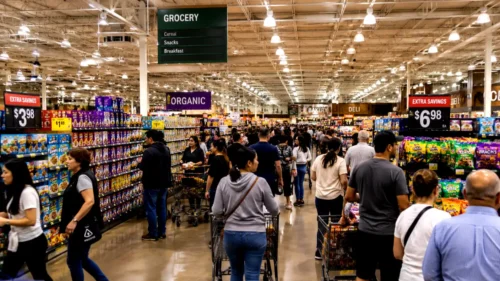

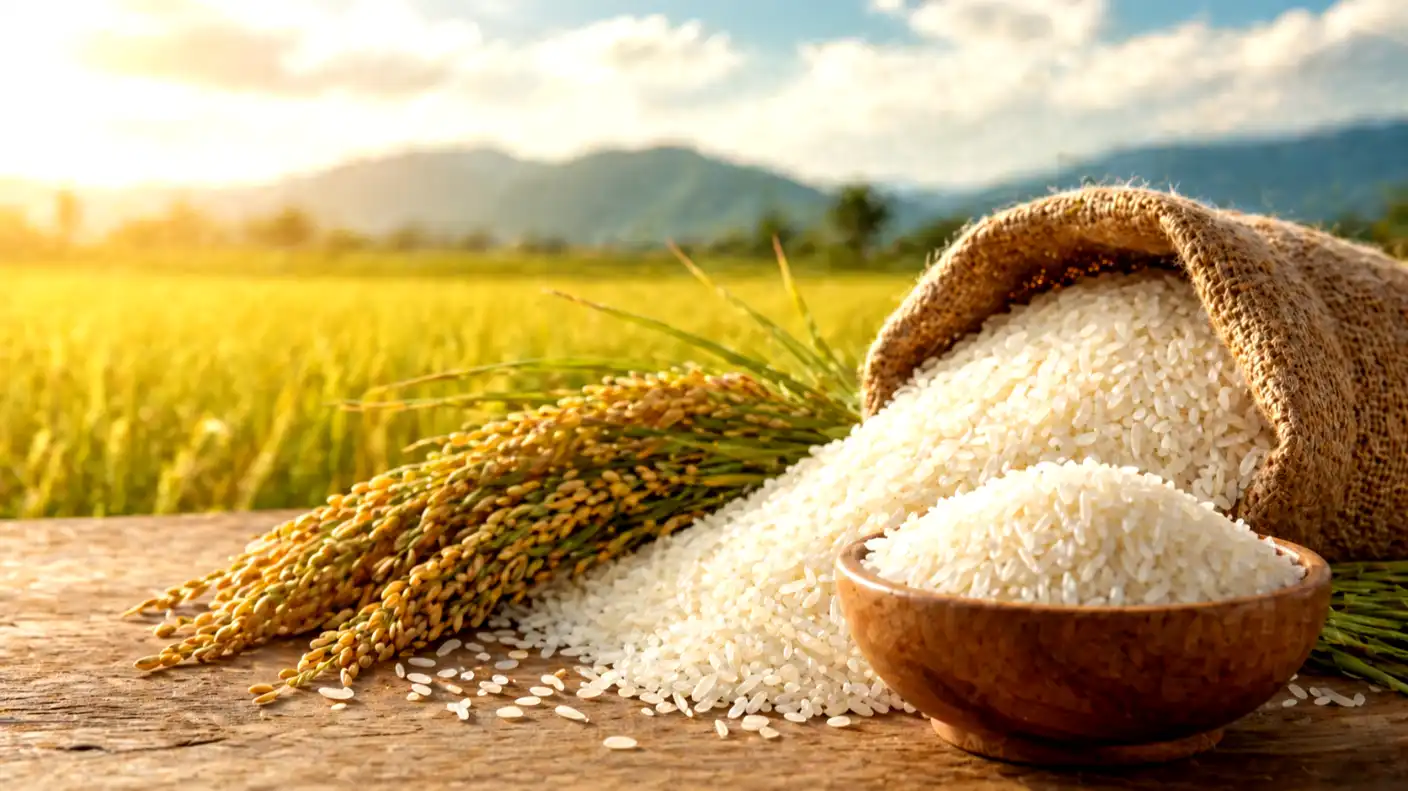
Rice is the cornerstone of the daily Japanese diet. However, right now, millions of tons of this staple food sit completely unsold inside dark storage buildings. At the end of March, the Ministry of Agriculture, Forestry and Fisheries reported that local wholesalers held roughly 2.7 million metric tons of rice. This massive stockpile represents a sharp 54 percent jump compared to the same time last year.
This giant leftover amount breaks several modern records. It stands as the largest national surplus since 2015 and ranks as the third highest level since 2009. Even more shocking, these 2.7 million metric tons account for roughly 39 to 40 percent of the total expected rice demand for the year. Government officials say this is the highest percentage ever recorded since they began tracking these market statistics.
Three main factors created this overwhelming surplus. First, farmers brought in a much larger harvest in the fall of 2025 than they did the year before. While good weather helped the crops grow, the biggest problems come straight from the buyers. Over the last few years, the retail price of domestic rice has skyrocketed across the country, forcing regular families to rethink their daily eating habits completely.
During the later years of the pandemic, shoppers could easily find a 5-kilogram bag of locally grown rice at the supermarket for about 2,000 yen. Today, shoppers face a completely different reality at the checkout. Retail prices steadily climbed well past 4,000 yen, especially for the most popular premium brands. Because the cost essentially doubled overnight, households now buy and eat far less rice than before.
Regular families are not the only ones backing away from expensive domestic crops. Restaurants, takeout shops, and convenience stores rely heavily on rice to create daily lunch boxes and rice balls. These businesses refuse to pay the highly inflated prices for local harvests. Instead, they tapped into global supply chains and switched their operations to use much cheaper imported rice from other countries.
The import numbers highlight a massive shift in corporate buying habits. In 2025 alone, Japanese businesses imported exactly 96,834 metric tons of rice straight from the United States. This single number is 95 times higher than the amount they imported in 2024. When you look at total rice imports from all foreign countries combined, the volume jumped a staggering 104 times higher than the previous year.
With everyday consumers eating fewer bowls at home and businesses buying cheap foreign crops, the giant piles of unsold local rice make perfect sense. While prices dropped slightly over the last few months, they remain painfully high compared to pre-inflation levels. When news of the bursting warehouses hit the internet, regular citizens showed zero sympathy for the wealthy agricultural wholesalers.
Online commenters loudly mocked the rice industry for complaining about their leftover stock. One person noted that the sellers acted too late, pointing out that many people had already switched to diets higher in bread or noodles. Another user simply stated that sellers still charge far too much money, so consumers flatly refuse to buy it. Someone else pointed out a huge price difference at the grocery store, noting they can buy 5 kilograms of dry spaghetti noodles for just 995 yen.
Shoppers vividly remember when basic food was affordable. One commenter said they will wait until sellers drop the price of a 5-kilogram bag back down to 2,800 yen before they open their wallet again. Another person fondly recalled buying a massive 10 kilogram bag for only 5,000 yen just a few years ago. The public anger is incredibly clear. One user asked what the sellers honestly expected to happen when they aggressively raised food prices while worker wages stayed completely flat.
Basic economic rules explain this tense situation perfectly. When the supply of a product exceeds market demand, sellers must cut their prices until buyers are willing to spend their money. Rice wholesalers probably hate the idea of slashing their prices and losing their comfortable profit margins. However, lowering the cost remains the only real way they will empty those giant warehouses and turn that aging crop into actual cash.