

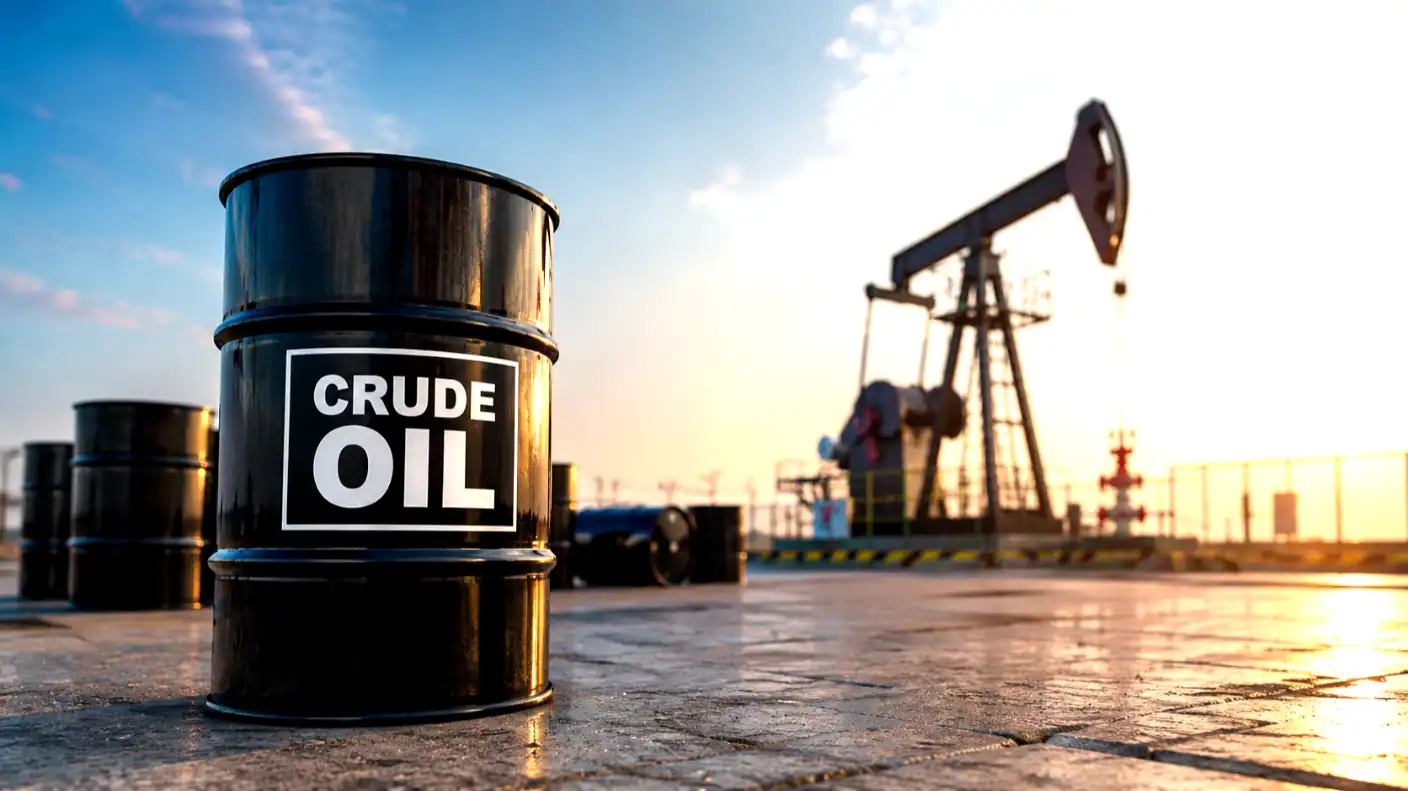
Global oil prices plummeted on Friday as investors reacted with immense relief to growing optimism over a potential U.S.-Iran peace deal. Traders sold off their energy contracts after learning that the two rival nations are close to a breakthrough that would safely reopen the Strait of Hormuz. Brent crude, the international benchmark, fell sharply, dropping below the key psychological level of $100 per barrel and marking a massive shift in market sentiment after weeks of war-driven volatility.
The financial data from Friday’s trading session reveals a very sharp decline across all major energy markets. Brent crude futures for July delivery tumbled exactly 1.7% to settle at $108.51 per barrel. This decline is part of a broader weekly trend, as Brent fell from a four-year high of over $126 a barrel reached just one day earlier on Thursday. Meanwhile, the American benchmark, West Texas Intermediate (WTI) crude futures, suffered an even worse decline, sliding 3.1% to trade near $101.79 a barrel.
This dramatic price drop stems directly from a breakthrough in diplomatic negotiations. Reports from Axios revealed that Washington and Tehran are close to signing a 60-day extension of the ceasefire. Under the strict terms of this new Memorandum of Understanding, the United States will lift its naval blockade on Iranian ports, and Iran will reopen the vital Strait of Hormuz to commercial shipping. This progressive compromise has injected much-needed optimism into the global economy. By allowing the two sides to pause the fighting, the treaty gives diplomats sixty days to hammer out a permanent, non-nuclear peace deal.
Reopening the Strait of Hormuz is the absolute top priority for global trade. Before the war began with joint American and Israeli airstrikes on February 28, this narrow channel handled roughly 20% of the total daily oil and gas supplies for the entire world. The prolonged blockade has upended global energy markets and driven inflation in Europe and the US by an extra 1.5%. Economists estimate that the shipping closure has cost international businesses over $1.5 billion every single week.
To make the shipping lane safe again, the draft agreement requires Iran to take immediate action on the water. The Iranian military must clear all the explosive sea mines it deployed during the conflict. In addition, Iran must allow commercial cargo ships to transit the strait without paying any of the illegal transit tolls that Tehran previously proposed. The United States has made it clear that any attempts to levy fees in international waters are completely unacceptable.
In exchange for these maritime steps, the United States will pull back its economic weapons. The U.S. Treasury Department plans to issue limited, temporary sanctions waivers. These waivers will allow Iran to sell its crude oil freely to international buyers during the 60-day ceasefire period, adding massive supplies back to the global market. This massive economic concession represents a major victory for Tehran, which has seen its energy exports completely cut off by the American blockade over the last month.
This sudden drop in energy costs will provide massive relief to the struggling American economy. Spiking fuel prices had previously driven U.S. inflation up, dragging President Donald Trump’s approval rating down to a record low of 34%. If gas prices drop, it will lower headline inflation and give the Federal Reserve the breathing room it needs to consider interest rate cuts later this year. Investors prefer to park their cash in speculative assets like stocks and cryptocurrencies when interest rates are low.
The market also remains on edge over the United Arab Emirates’ recent decision to leave the OPEC oil cartel. The UAE officially plans to exit the group on Friday to focus on its own national interests, including increasing its daily oil production. While the UAE can easily pump more oil, this extra supply will only reach global buyers once the Strait of Hormuz officially reopens, further emphasizing the importance of the peace talks. The country plans to increase its daily output by over one million barrels.
Investors and oil companies will watch the Middle East very closely over the next few days. President Trump is scheduled to meet with his national security team at Camp David to make a final decision on whether to sign the peace treaty. If the deal succeeds, it will stabilize global energy markets and prevent a massive regional war. If it fails, the ceasefire will collapse, and oil prices could easily shoot back past $120 a barrel.















