

The Armed Forces of the Philippines face a massive turning point in its national security history. For decades, neighboring countries viewed the island nation as a regional military weakling. Today, the military transforms into a highly active and assertive maritime force. Defense officials proudly call this massive shift a military renaissance. However, security analysts warn that the country still requires significant time and money. The military simply cannot fight off major foreign threats on its own right now.
A quiet ceremony in mid-February showed exactly how this military evolution is taking shape. Top military generals gathered at the sprawling armed forces headquarters in the capital city. During this special event, the government of Japan officially handed over 5 advanced coastal radar systems to the Philippine military. These highly sensitive tools will help the Navy monitor its massive coastline. Operators can now easily spot foreign ships entering their waters without permission.
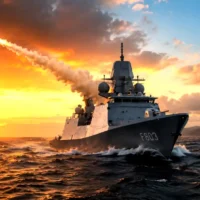
These new radar stations represent just one small piece of a much larger partnership between the 2 Asian nations. Japan also plans to export several surplus destroyers to Manila in the near future. These massive warships will instantly boost the overall firepower of the Philippine fleet. Shipyard workers will upgrade the vessels to ensure they meet modern combat standards. This move shows how deeply Japan wants to help secure the busy waters of the Pacific Ocean.
Despite these technological upgrades, the Philippine military faces a massive challenge to reach its final goals. Current defense reports indicate that the Philippine Navy has achieved only about 33 percent of its long-term fleet growth targets. To fix this gap, the government recently approved a massive $35 billion modernization budget for the next decade. Military leaders plan to use this massive fund to buy modern ships, advanced fighter jets, and long-range missile systems.
Even if the military hits 100 percent of its new equipment goals, severe challenges remain. Defense experts say the Philippines cannot realistically fend off a massive Chinese military invasion on its own. The massive size difference between the 2 militaries makes a solo defense almost impossible. Because of this harsh reality, the island nation must rely heavily on outside help from powerful allies to secure its borders and protect its citizens.
To bridge these massive capability gaps, Manila leaders actively build a new web of defense partnerships across the globe. South Korea stepped up to help the growing military force. The Korean government agreed to sell more modern weapons and armored vehicles to the island nation. As security ties expand, Korean defense companies plan to open local maintenance shops to keep the new vehicles running perfectly.
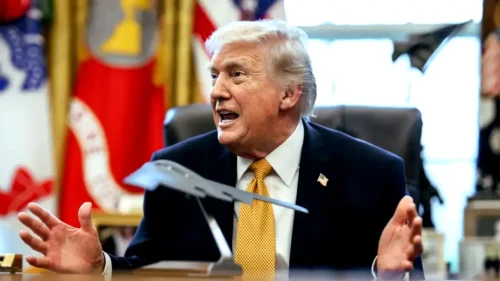
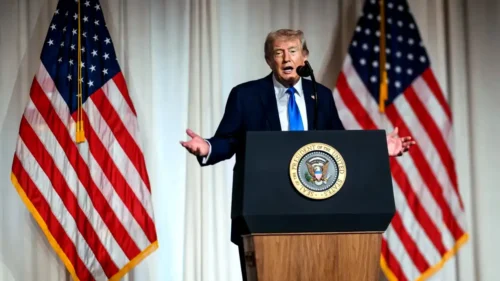
At the same time, the old alliance between the United States and the Philippines grows much stronger. The Trump administration pumped massive new energy into this historic relationship. American generals increased their troop presence and scheduled more joint training exercises. The American military provides a massive security umbrella over the region. This heavy protection gives the Philippine government the necessary time to build up its own local defense forces.
The exact timing of this military growth matters a lot for the entire region. The Philippines prepares to host the massive 2026 Association of Southeast Asian Nations summit. Manila leaders plan to use this powerful chairmanship to advance maritime security. They want to unite their neighbors to protect the busy trade routes in the South China Sea. Regional stability remains their top priority for the upcoming summit.
Even with strong allies and new weapons, the government faces serious problems back at home. Philippine officials recently discovered a high-profile spying operation linked directly to China. Enemy spies stole secret documents and leaked classified military materials to foreign agents. This massive security failure shows that the country still has deep internal vulnerabilities. Leaders must fix these dangerous information leaks before they bring more advanced weapons into their bases.
As the military continues its long transformation, generals must balance their budgets carefully. They want to buy expensive new hardware quickly, but they also need to build solid defense facilities to house the equipment. Their main goal remains clear. They want to protect the rich waters of the South China Sea and keep the region safe from foreign bullies. The old weakling label finally falls away. Building a truly independent and powerful military will take many more years of hard work.