

A relentless campaign of Ukrainian drone strikes has severely disrupted Russia’s domestic energy sector, forcing a massive restructuring of its global oil shipments. On Tuesday, June 2, 2026, industry data and shipping logs confirmed that Russia’s crude exports from its western ports have surged to an eight-month high. Because a barrage of targeted aerial attacks has crippled major refineries inside the country, Moscow can no longer process its raw petroleum into gasoline, diesel, and jet fuel. Instead, the Kremlin must divert vast quantities of unrefined crude directly to international buyers, creating an unexpected supply wave that is reshuffling global trade lanes.
The physical damage to Russia’s refining infrastructure is staggering. A record-breaking wave of drone strikes has knocked out key processing units, driving Russia’s domestic refinery throughput down to its lowest level in more than 16 years. According to estimates from energy analytics firm OilX, Russia’s average refinery throughput in May collapsed to 4.58 million barrels per day. This represents a painful decline of roughly 700,000 barrels per day—about 13% lower—compared with the same period last year. Not since October 2009, when the global economy was reeling from a severe financial crisis, has Russia’s refining sector operated at such a diminished capacity.
This historic decline is the direct result of a highly coordinated Ukrainian campaign targeting Russia’s energy heartland. In May 2026, drones carried out at least 16 successful attacks against Russian oil refining facilities, striking eight of the country’s ten largest refineries. The Ukrainian military has also deployed a strategy of repeated strikes on individual targets to prevent rapid repairs and inflict maximum structural damage. For example, the Yanos refinery—co-owned by state oil giants Rosneft and Gazprom Neft—suffered three separate attacks in May alone, while Lukoil’s sprawling facilities in Nizhny Novgorod and Perm each fell victim to double-strike operations. Even on early Tuesday, June 2, another drone strike hit the massive Ilsky Oil Refinery in Krasnodar Krai, marking its fourth major disruption this year.
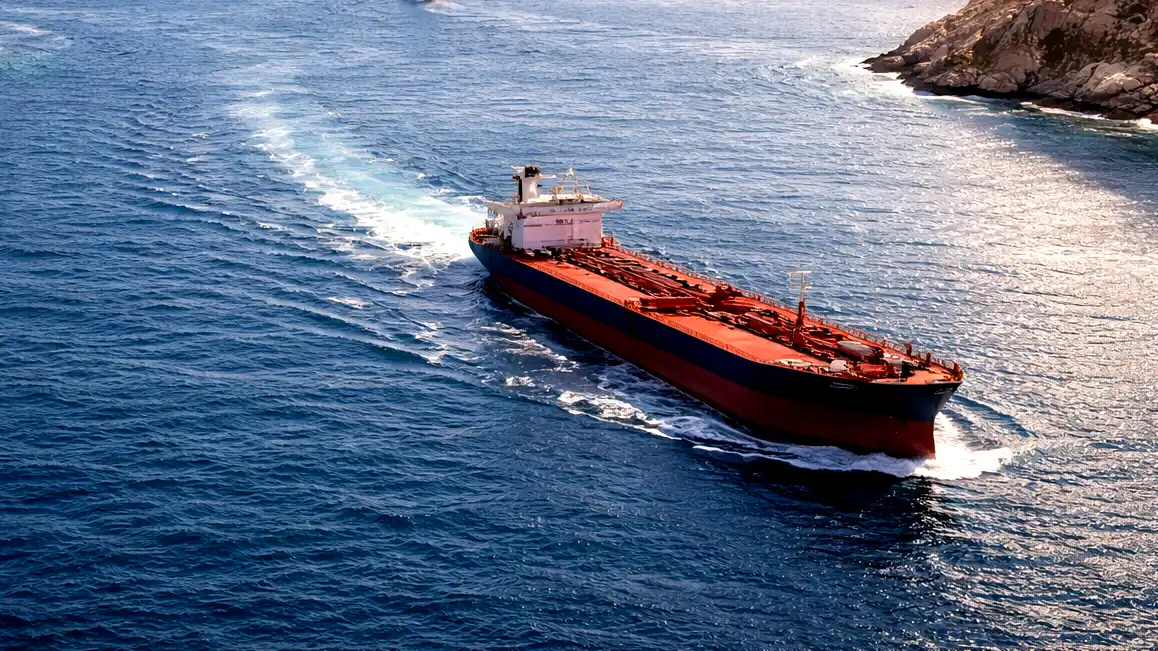
Unable to refine its own crude, Russia has had no choice but to flood the international market with raw oil to avoid shutting down its active production wells. During May, crude oil exports from Russia’s key western ports—Primorsk, Ust-Luga, and Novorossiysk—gushed to an average of 2.5 million barrels per day. This represents a substantial 15% increase compared to the 2.2 million barrels per day exported in April. This sudden flood of Russian crude marks the highest export volume from these western terminals since September 2025, providing a massive, unexpected source of supply to the global market.
This unexpected surge in Russian crude shipments is providing critical relief to global energy buyers facing severe supply shortages elsewhere. The military conflict in the Middle East has effectively halted maritime traffic through the strategic Strait of Hormuz, shutting off nearly one-fifth of the world’s daily petroleum exports and driving up global fuel prices. Desperate refiners in Asia and parts of Europe are turning to Russia’s western ports to secure replacement barrels. In a striking policy shift designed to protect its own consumers from soaring energy costs, Britain even chose to ease some of its sanctions last month, allowing domestic companies to import certain Russian fuel shipments that were already in transit.
While the surge in crude exports helps sustain the Kremlin’s oil revenues, it is triggering a severe fuel crisis on the Russian home front. Russia is entering its peak summer vacation and agricultural harvesting seasons, when domestic demand for gasoline, diesel, and aviation fuel typically reaches its highest levels of the year. With local refineries offline, Russian energy planners are warning of severe, widespread fuel shortages. The government is already facing rising prices at domestic gas stations and has resorted to early fuel rationing measures in several regions, stretching from occupied Crimea to the Moscow metropolitan area.
To prevent a catastrophic domestic fuel collapse, the Russian government is implementing aggressive protectionist measures to lock its remaining fuel supplies within the country. Moscow announced a temporary ban on the export of jet fuel, running from June 1 through November 30, 2026. This aviation fuel ban follows an existing emergency restriction on gasoline exports, which has been in place since April 1 and is currently scheduled to run until the end of July. Russian officials hope these sweeping bans will stabilize the domestic market. However, analysts note that keeping fuel in the country does little to solve the physical destruction of the processing towers.
Furthermore, Russia’s ability to indefinitely divert unrefined crude to the global market is hitting serious physical bottlenecks. The country’s western pipeline networks and export terminals at Primorsk and Ust-Luga are already operating at or near their maximum physical capacities. This means that if Ukraine continues its successful drone campaign and disables more refineries, Russia will not be able to accommodate the extra volume of unprocessed oil. If the export infrastructure clogs, state oil companies will have no choice but to cap their wells and execute painful, long-term production cuts, which would severely damage Russia’s long-term oil-field productivity.
Ultimately, the sudden boom in Russian crude exports highlights how Ukrainian drone technology is successfully rewriting the economic terms of the war. By targeting the high-value refining sector rather than crude production sites, Ukraine is depriving the Kremlin of revenue from expensive refined fuel while forcing Russia to export cheap, raw oil to a volatile global market. As the summer heat drives up domestic fuel demand and Ukrainian drones continue to bypass Russian air defenses, the Kremlin faces an increasingly difficult balancing act. Unless Russia can protect its remaining refineries from the skies, its energy-reliant economy could face a devastating domestic fuel shock that no amount of crude exports can cure.















