

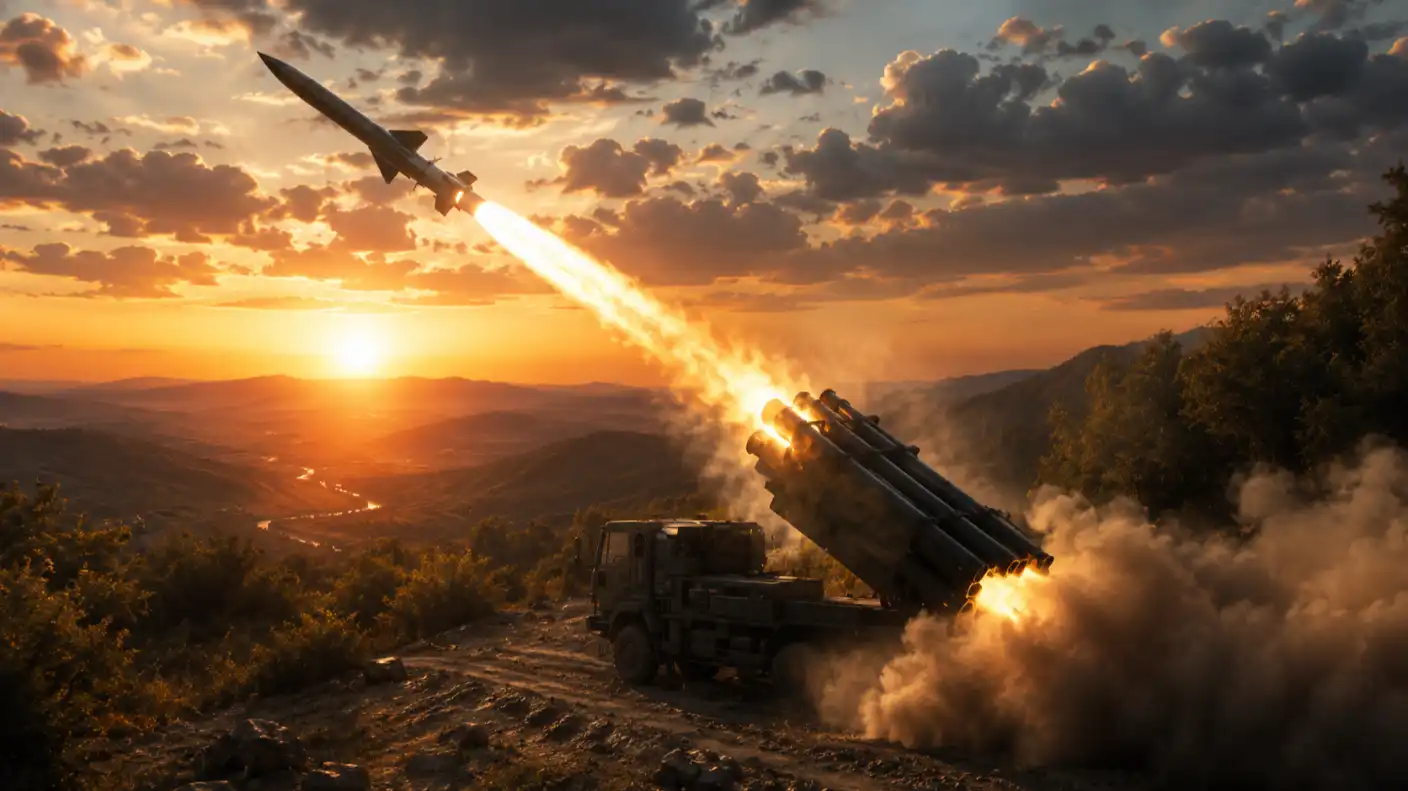
Russia has flatly rejected an urgent call from the United States to stop launching systemic and highly destructive airstrikes against Ukraine’s capital city of Kyiv. Russian Foreign Ministry spokesperson Maria Zakharova dismissed the American plea on Thursday, calling the demand complete hypocrisy. This high-stakes diplomatic clash occurs right as the devastating conflict enters a highly volatile phase, with both armies launching massive, retaliatory drone and missile attacks across their shared borders.
The diplomatic row started after U.S. National Security Advisor Jake Sullivan publicly called on Moscow to cease its daily bombardments of Kyiv’s civilian and energy infrastructure. Sullivan argued that Russia’s continuous attacks on residential neighborhoods and power grids violate international law and cause unnecessary civilian suffering. However, the Russian government quickly brushed off the demand, insisting that Washington has no right to lecture Moscow on military restraint.
Zakharova strongly defended Russia’s military strategy during a press briefing in Moscow. She argued that the United States cannot expect Russia to stop striking Ukrainian command centers. At the same time, Washington continues to supply Ukraine with advanced, long-range weapons to hit targets deep inside Russian territory. She told reporters that the American proposal was a complete non-starter. Zakharova insisted that Russia’s military operations remain fully justified and will continue until the army achieves all of its strategic goals.
The current escalation in the four-year war follows a violent chain of events that began last week. On Friday, a Ukrainian drone strike hit a professional college and student dormitory in the Russian-occupied town of Starobilsk, located in the eastern Luhansk region. Russian officials claimed that the attack killed exactly 18 people, mostly sleeping teenagers, and wounded 42 others. The Kremlin vowed immediate vengeance for what it called a monstrous terrorist crime against innocent minors. This tragedy effectively ended any lingering hopes of extending the fragile ceasefire that diplomats negotiated last month.
True to its word, Russia launched a massive retaliatory strike on Kyiv in the early hours of Sunday morning. The Russian military fired exactly 90 missiles and 600 drones during the combined attack, setting residential buildings on fire and trapping civilians in school air raid shelters. The barrage killed at least four people and injured more than 20 others. It also marked the combat debut of Russia’s advanced Oreshnik hypersonic missile, which flies at an incredible ten times the speed of sound.
Zakharova also pointed out that Ukrainian forces are increasingly targeting civilian areas and energy facilities deep inside Russian territory. Over the past few weeks, Ukraine has more than doubled the range of its domestically built attack drones, extending its reach from 630 kilometers to roughly 1,750 kilometers behind Russian lines. Just last weekend, Ukraine launched its biggest drone attack on Moscow in over a year, deploying more than 80 drones that forced Russian regional governors to strengthen their air defense systems.
The cross-border violence continued to escalate on Thursday. Ukrainian forces launched a major two-round missile and drone strike on Russia’s Belgorod region. The attack directly hit a regional power plant, cutting off electricity and water supplies to thousands of residents across the city of Belgorod. Zakharova argued that these continuous Ukrainian attacks on Russian infrastructure prove that Kyiv has no interest in peace, justifying Russia’s decision to continue its heavy bombardments of the Ukrainian capital. She warned that more devastating strikes will follow if Ukraine does not stop.
The persistent fighting and energy supply shocks have driven up prices worldwide. The ongoing conflict has driven European and American inflation up by an extra 1.5% over the past two months, dragging down economic growth. This international trade disruption has cost the global shipping and logistics industries over $1.5 billion every single week as major cargo companies avoid the dangerous shipping routes in the Middle East. Despite the economic pain, European leaders continue to back Ukraine, though they remain highly hesitant to fast-track its EU and NATO membership goals.
Ultimately, the diplomatic standoff between Washington and Moscow shows that neither side is ready to compromise. While the United States and other Western allies try to pressure Russia to stop its missile campaigns, the Kremlin intends to use its military power to force a total Ukrainian surrender. As both armies prepare bigger drone swarms and faster hypersonic missiles for the coming summer months, the citizens caught in the middle can only brace themselves for further destruction.















