

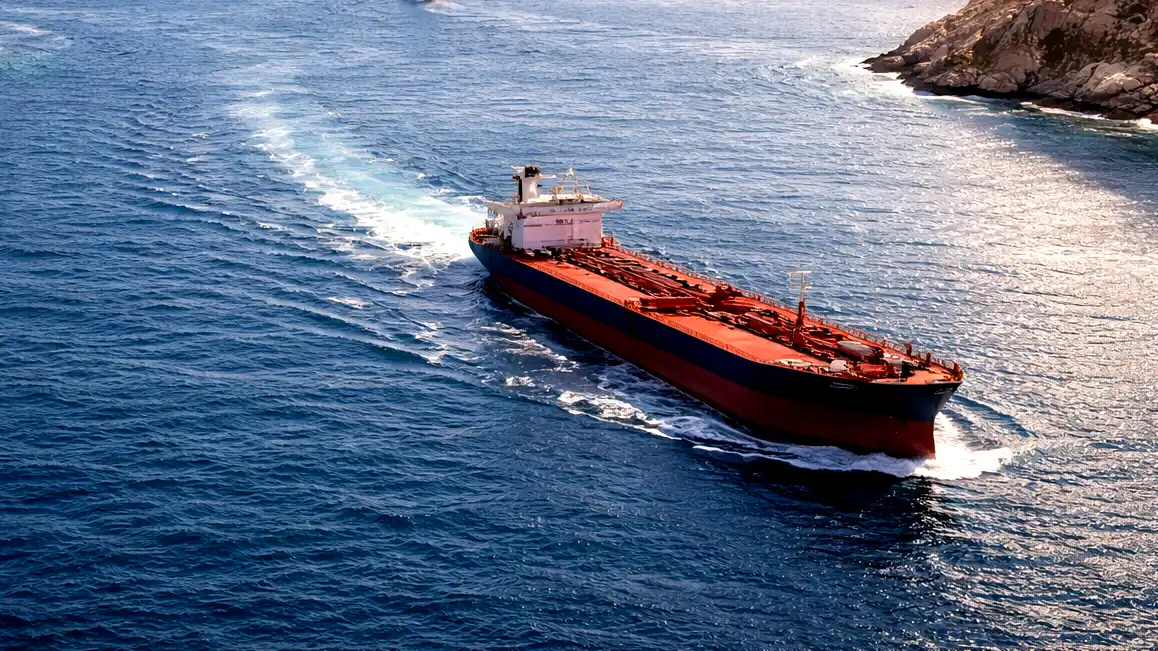
Asia’s initial defenses against the energy shock from the war in Iran are failing rapidly. A much more damaging second wave of economic pain is now striking the region. When the conflict first erupted, Asian governments panicked. They scrambled to survive the sudden closure of the Strait of Hormuz, a massive waterway that feeds essential energy to the entire continent. Leaders forced businesses to slow down to save power and raided emergency stockpiles to keep the lights on. They hoped the war would end quickly and oil would flow again. It did not.
This endless fuel crisis now tears through local economies. Regular citizens watch helplessly as utility bills, shipping rates, and airline tickets surge. The United Nations Development Program delivered a grim warning this week. The agency predicts the conflict will destroy $299 billion in economic value across the Asia-Pacific region. Worse, the soaring daily costs threaten to push exactly 8.8 million vulnerable people directly into extreme poverty. Families who already have the least money feel the worst of this price shock.
Asian finance ministers originally built their national budgets around cheap energy. They assumed global oil prices would sit comfortably around $70 a barrel for the entire year. The war shattered those plans, pushing Brent crude to a staggering $120 a barrel. This massive price jump forces governments to make a brutal choice. They can either drain public savings to maintain expensive fuel subsidies or cancel those programs and force angry consumers to pay double at the gas pump.
India faces a massive crisis as it tries to protect its 1.4 billion citizens. The government immediately redirected commercial fuel supplies to ensure 330 million households had enough cooking gas. This emergency move starved the nation’s vital fertilizer plants of energy. Fertilizer prices skyrocketed right as weather experts predicted a severe drought caused by the El Nino weather pattern. This poses a terrifying problem for India, the world’s largest rice exporter. Panicked by the math, Prime Minister Narendra Modi begged citizens to work from home and stop traveling abroad. He even asked farmers to cut their fertilizer use by 50 percent to save money.
Other nations deploy desperate measures to keep their economies moving. The Philippines quickly ordered a four-day work week to cut national fuel consumption. Manila also handed out cash to poor families, but high electricity bills still forced many small businesses to close their doors. Thailand simply ran out of money. The Thai government abandoned its diesel price cap less than a month into the war. Now, leaders in Bangkok must slash funding for public services just to pay for basic oil imports.
Vietnam chose a different path, freezing domestic fuel taxes to help struggling families afford their daily commute. However, a severe shortage of jet fuel forced airlines to slash their flight schedules across the board. This directly damages the vital tourism sector, which accounts for nearly 8 percent of Vietnam’s total economic output. Local businesses feel the sting immediately. Tour guides in Hanoi stand idle on empty streets, noting a massive drop in foreign visitors and daily income.
The situation looks even worse in South Asia. Desperate countries like Pakistan and Bangladesh drained their fuel reserves weeks ago. Now, these governments must purchase daily oil and gas shipments at highly inflated spot-market prices. These daily rates act much more wildly than traditional long-term contracts. This volatile buying strategy drains their meager foreign currency reserves. Every expensive oil shipment pushes these fragile nations closer to total economic collapse.
Independent energy analysts warn that Asia sits on a fiscal time bomb. Governments cannot borrow money indefinitely to keep fuel prices low without causing massive inflation. If leaders cut welfare and health programs to pay for expensive oil, they risk violent street protests. The crisis proves just how fragile the new Asian middle class really is. Without cheap energy, millions of families face the real threat of losing everything they built over the last decade and slipping back into poverty.
The economic damage will soon spread far beyond Asian borders. Energy experts estimate that Europe will face the same shortages after a four-week delay. American drivers already pay near-record prices at local gas stations. Meanwhile, African nations watch their national deficits explode due to the high cost of importing energy, and Latin American economic growth continues to stall. Still, supply chain experts agree that Southeast Asia is suffering the most pain right now.
A sudden peace treaty would not fix the problem overnight. Energy researchers explain that repairing war-damaged pipelines and restarting idle oil facilities takes months. Ships need weeks just to cross the ocean from the Middle East to Asian ports. Realizing this danger, Asian countries now plan to change how they power their cities permanently. Governments want to build new solar farms and develop local nuclear power plants. They refuse to let a distant geopolitical war freeze their economies ever again.















