

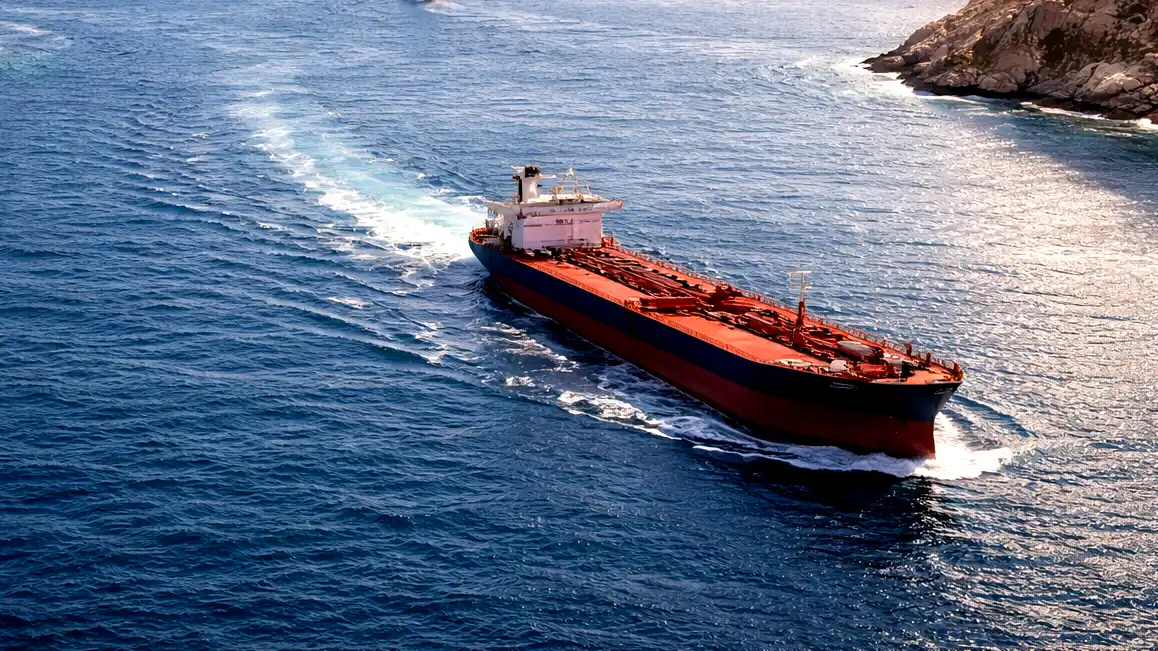
President Donald Trump met Chinese President Xi Jinping in Beijing on Thursday to tackle the ongoing war with Iran. The two leaders agreed they must reopen the Strait of Hormuz and permanently stop Iran from building a nuclear weapon. The high-stakes meeting took place as fresh attacks struck cargo vessels near the heavily contested waterway. These new strikes remind global markets how much this 75-day stalemate costs everyone.
The United States and Israel launched a massive bombing campaign exactly two and a half months ago. Following six weeks of heavy airstrikes, Washington paused the bombs but established a strict naval blockade of Iranian ports. In response, Tehran shut down the crucial Strait of Hormuz to almost all international shipping. This massive choke point normally handles billions of dollars in trade, and its closure caused the largest disruption to global energy supplies in history. Experts estimate that the daily losses easily exceed $1 billion for the global shipping industry.
During an interview in Beijing, US Treasury Secretary Scott Bessent stated that China will do everything possible to help reopen the vital shipping lanes. China relies heavily on Middle Eastern energy and buys massive amounts of Iranian crude oil. Bessent noted that freeing up the Strait perfectly aligns with Chinese economic interests. Meanwhile, US Secretary of State Marco Rubio told Fox News reporters aboard Air Force One that Washington wants Beijing to step up and actively force Iran to stop its aggression. Rubio made it clear that any Chinese support for Iran would severely hurt relations between the United States and China.
Despite the high-level meetings in Beijing, violence continues on the water. A missile or drone hit an Indian cargo ship off the coast of Oman on Thursday. The vessel carried a heavy load of livestock from Africa to the United Arab Emirates. The powerful explosion sank the ship completely. Fortunately, the Omani coastguard rushed to the scene and rescued all 14 crew members from the water. British maritime security firm Vanguard confirmed the details of the strike shortly after the rescue operations ended.
In a separate incident on Thursday, the British maritime security agency UKMTO reported another alarming attack. Unauthorized armed men boarded a commercial ship waiting near the United Arab Emirates port of Fujairah. The attackers grabbed control of the steering and forced the vessel into Iranian waters. This area holds great value because Fujairah serves as the UAE’s sole oil port, bypassing the dangerous strait. Last week, Iran published an expanded map that claims total control over these exact waters.
While violence scares off most transport companies, Iran now strikes quiet deals with specific countries to let their ships pass safely. A Japanese oil tanker successfully crossed the strait on Wednesday. This passage happened right after the Japanese prime minister directly asked the Iranian president for a favor. A massive Chinese tanker also crossed the waterway on Wednesday. Iran’s Fars news agency reported Thursday that Tehran finalized an official agreement to allow certain Chinese ships to resume their trade routes.
Iran’s Revolutionary Guards bragged that 30 different vessels safely crossed the Strait since Wednesday evening. Before the war started, roughly 140 massive cargo ships moved through this narrow waterway every single day. While the current number of 30 ships marks a huge drop from normal traffic, it represents a massive increase compared to the totally frozen waters of last month. At the same time, Iranian Judiciary Spokesperson Asghar Jahangir openly defended his country’s actions. He stated that capturing US tankers fully complies with both domestic and international law.
Diplomatic efforts to permanently end the violence sit completely frozen. Last week, both the United States and Iran threw out the latest peace proposals. Neither side wants to cross their established red lines. Washington and Tehran held a single round of face-to-face negotiations in Pakistan last month, but those talks produced zero progress. Currently, diplomats have scheduled no future meetings to resolve the crisis.
When the war began, Trump laid out three clear goals. He wanted to destroy the Iranian nuclear program, wipe out Tehran’s ability to bomb its neighbors, and help local citizens overthrow their government. The military campaign failed to achieve any of these targets. Iran still possesses over 400 kilograms, or about 900 pounds, of highly enriched uranium. Their scientists enriched this massive stockpile to near-weapons-grade levels. Furthermore, Iranian forces continue to launch accurate missiles and deadly drones across the region.
The Iranian government actually gained more power during the conflict. Earlier this year, leaders used brutal force to crush local anti-government protests. Since the bombs started falling, they have faced absolutely zero organized resistance at home. Controlling the Strait gives Tehran incredible power at the negotiating table. Iran demands that the United States lift all economic sanctions, pay heavy cash reparations for bomb damage, and officially recognize Iranian ownership of the strait. On the other side, Washington demands that Tehran hand over all 400 kilograms of uranium and completely stop any future nuclear enrichment.
Trump originally planned this high-profile trip to China for the end of March. He delayed the flight because he genuinely expected the military campaign to wrap up quickly. Instead, he arrived in Beijing right in the middle of an unresolved global crisis. This historic trip marks the very first visit by a sitting American president to China in almost a decade. Still, the burning ships in the Middle East cast a dark shadow over the entire diplomatic mission.















