
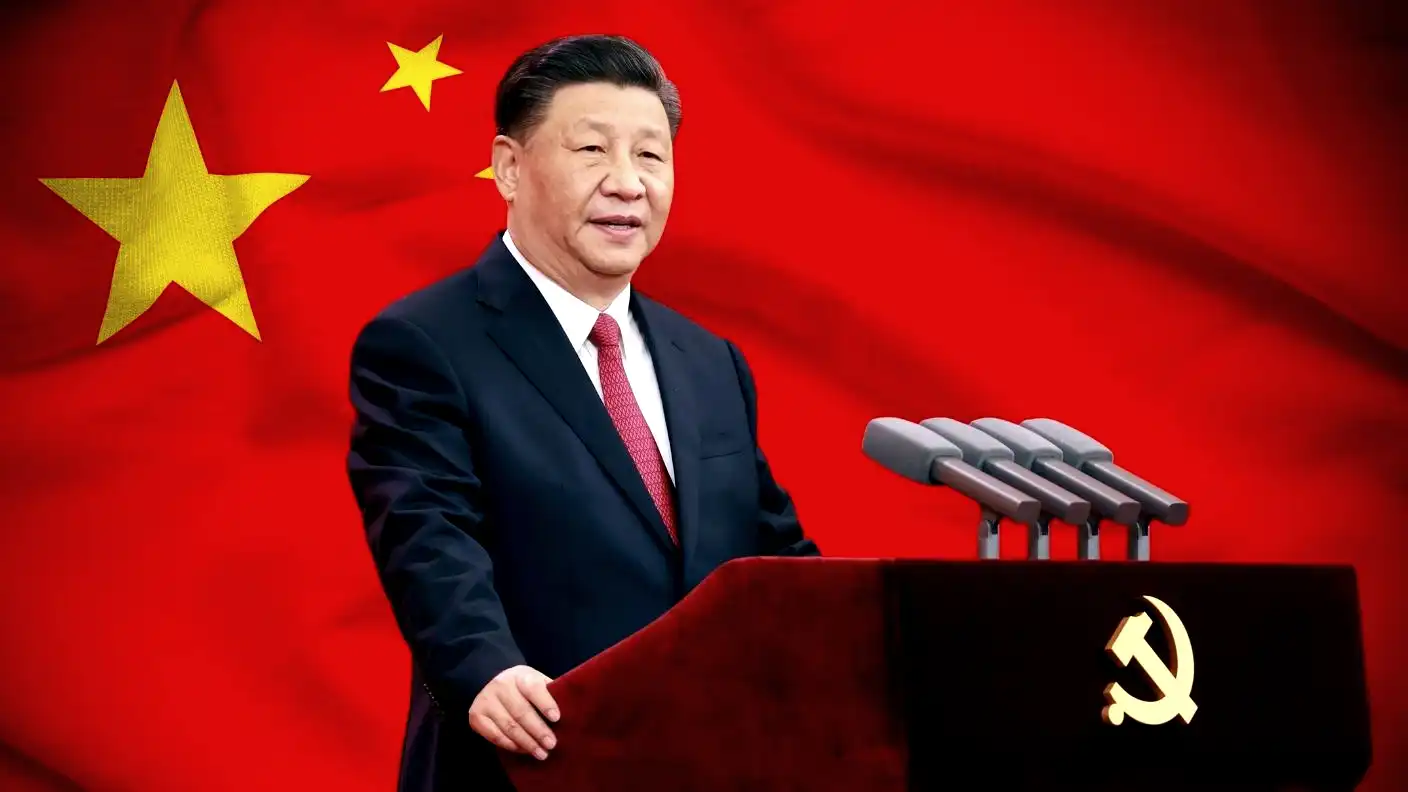
A major diplomatic shift occurred in East Asia as Chinese President Xi Jinping and North Korean leader Kim Jong Un held a high-profile summit in Pyongyang on Monday, June 8, 2026. According to official North Korean state media reports released on Tuesday, June 9, 2026, the two leaders agreed to expand bilateral cooperation across multiple vital sectors, including politics, the economy, and culture. This landmark meeting marks a significant milestone in regional diplomacy, representing Xi’s first visit to North Korea in nearly seven years. Both Beijing and Pyongyang described the summit as a powerful effort to open a new chapter in their traditional socialist alliance.
The closely watched summit marks President Xi’s first international trip of the year, following months of high-level meetings with both U.S. and Russian leaders. Geopolitical analysts believe that Beijing organized the trip as a direct bid to reassert its exclusive influence over its neighboring country. Over the past year, North Korea has rapidly deepened its military and economic ties with Russia, which has occasionally sparked concern in Beijing. By traveling to Pyongyang, the Chinese leader aims to remind both Kim and the international community that China remains North Korea’s primary diplomatic backer and its most essential economic lifeline.
The North Korean government received the Chinese delegation with a lavish, pomp-filled welcome ceremony that highlighted the historical ties between the two nations. Upon his arrival at Pyongyang’s international airport at noon, President Xi and first lady Peng Liyuan met with Kim and his wife, Ri Sol Ju, who clapped and smiled broadly on the tarmac. The official welcoming ceremony took place in the heart of the capital at Kim Il Sung Square, where a 21-gun salute echoed across the plaza. Thousands of local citizens, including children holding colorful balloons, cheered as the leaders reviewed a massive military honor guard beneath giant portraits of both Xi and Kim.
During their formal talks at the Kumsusan State Guesthouse, President Xi expressed China’s willingness to expand cooperation in a wide range of practical fields. Specifically, the Chinese leader outlined proposals to boost bilateral trade, agricultural development, infrastructure construction, and technology sharing. Independent economic experts estimate that China’s new economic aid packages, likely to include massive shipments of rice and fertilizers to support North Korea’s agricultural sector, could eventually total more than $1 billion. Additionally, monthly trade between the two countries recently hit an eight-year high, representing a gradual increase of nearly 1.5% in market share over regional competitors.
In a significant diplomatic victory for Beijing, Kim Jong Un used the summit to reaffirm his absolute support for the One China principle officially. According to state media dispatches, Kim told Xi that Pyongyang will fully uphold Beijing’s stance that both sides of the Taiwan Strait belong to one country, regardless of how the international situation changes. This solid political support aligns with North Korea’s long-term foreign policy strategy, which prioritizes socialist solidarity against Western pressure. In return, Xi praised North Korea’s recent developmental achievements and affirmed the permanence of China’s course to defend the security and sovereignty of its neighbor.
To cement these renewed ties, the two leaders agreed to organize a series of high-profile commemorative events next month to mark the 65th anniversary of the North Korea-China Friendship and Cooperation Treaty. This historic mutual assistance pact, which both nations originally signed on July 11, 1961, remains the only formal military treaty that either country currently maintains with a foreign power. By celebrating this milestone on July 11, 2026, both governments hope to project an image of an unbreakable partnership that can withstand shifting global alliances, while simultaneously planning a series of high-level official visits to deepen strategic communication.
The diplomatic engagements also featured a strong cultural component designed to showcase the two countries’ shared socialist heritage. On Monday evening, President Xi and first lady Peng Liyuan joined Kim Jong Un and Ri Sol Ju at a major gymnasium in Pyongyang to watch a massive artistic performance. The show, which was attended by high-ranking North Korean officials and thousands of local citizens, featured a series of traditional Chinese and North Korean songs, synchronized dances, and elaborate acrobatic displays. This cultural exchange aimed to reinforce a sense of shared destiny and personal closeness between the two ruling families.
Interestingly, official media dispatches from both Beijing and Pyongyang completely omitted any mention of North Korea’s banned nuclear weapons program or its recent missile tests. Analysts believe that both leaders chose to keep the nuclear question off the public agenda to ensure that the summit produced outcomes that both sides could portray as unambiguous gains. By focusing entirely on trade, tourism, and strategic coordination, President Xi successfully reasserted China’s influence over the peninsula. At the same time, Kim Jong Un secured crucial economic aid and political backing without facing awkward questions about his nuclear ambitions.
As President Xi prepares to fly back to China, the regional balance of power in Northeast Asia has entered a highly complex phase. While the summit clearly demonstrates that North Korea cannot rely solely on Russia and must align its interests with China, it also shows that Pyongyang has gained significant leverage in its relations with Beijing. By playing its two powerful neighbors against each other, the Kim regime has successfully escaped its long-term diplomatic isolation. Until Washington and its allies can find a way to offer a viable alternative, the newly reinforced alliance between China and North Korea will continue to dominate the security landscape of East Asia.