
South Korea is taking decisive action to protect its domestic energy security from a volatile geopolitical storm. On Tuesday, June 2, 2026, the Ministry of Trade, Industry, and Energy announced that the government will extend its emergency crude oil swap system with private refining companies until the end of June. The government designed this extension to shield the local economy from ongoing blockades and supply threats in the Strait of Hormuz, the world’s most critical maritime shipping route for crude oil. By keeping this safety net in place, policymakers hope to keep gas pumps running and businesses operating smoothly through the upcoming summer peak.
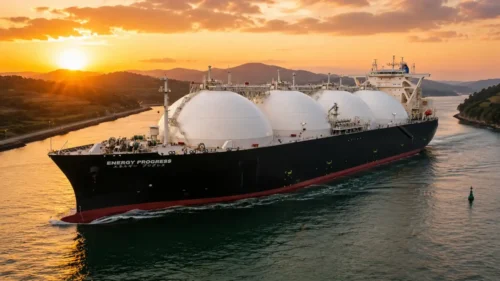
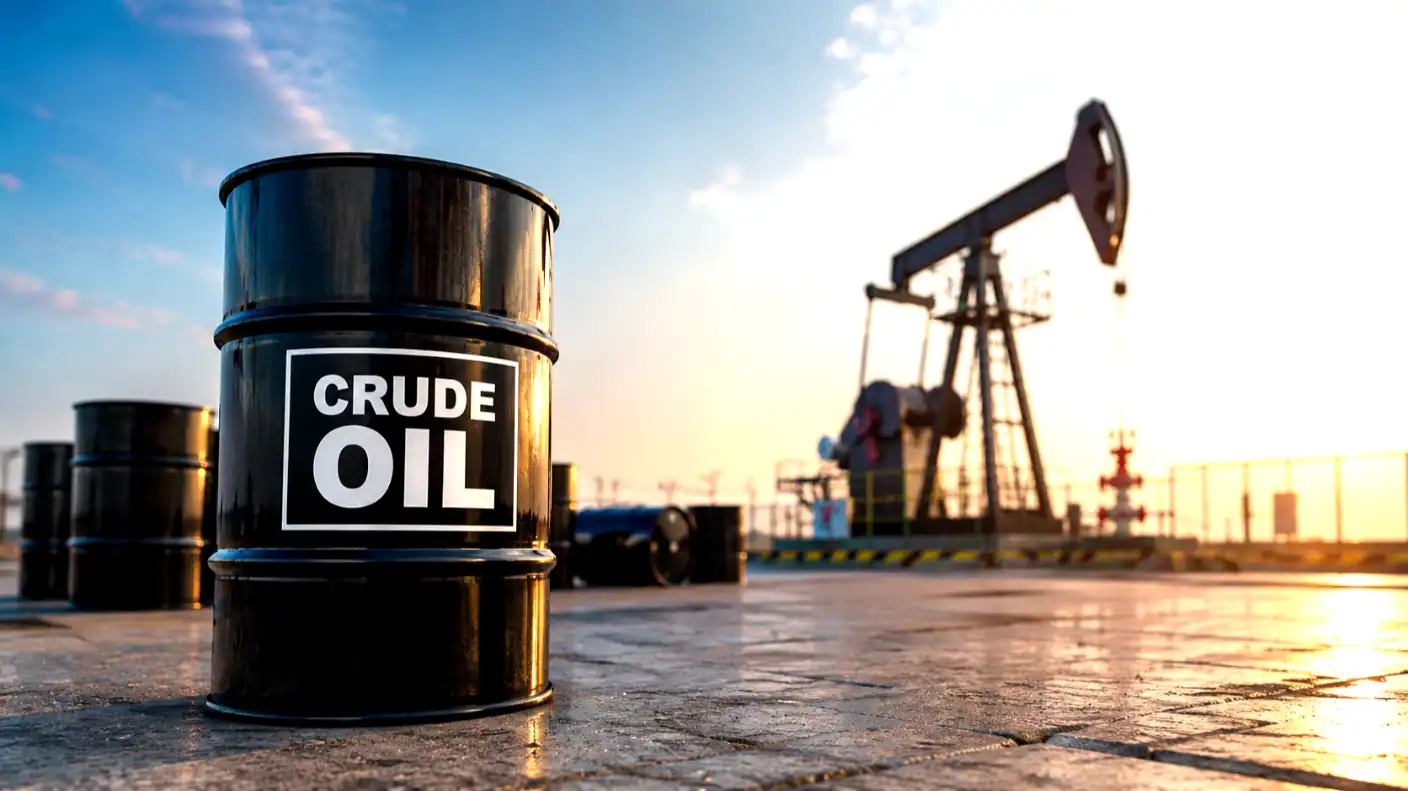
The state-backed oil swap program provides a vital operational cushion for the nation’s private refiners. Under the current rules, the government lends highly valuable crude oil—mostly Middle Eastern grades—directly from its national strategic reserves to domestic refining companies. The private firms process this oil immediately to meet local consumer demand, signing formal agreements to return the borrowed barrels once they secure alternative international supplies. This temporary lending mechanism acts as a critical buffer, preventing localized shortages when tankers face shipping delays or route cancellations in the Middle East.
The ministry originally introduced this temporary intervention in April 2026 as a direct response to the outbreak of the U.S.-Israeli war against Iran, which severely disrupted global shipping. Initially, officials planned for a short, two-month operation that would expire at the end of May. However, as the regional conflict drags into June with no clear end in sight, the government has chosen to extend the program to avoid any sudden supply gaps. To date, the swap system has proved highly active, with the government trading a combined 21 million barrels of strategic oil stockpiles with private firms since the program launched.
Despite the lingering maritime blockades, South Korea’s energy planners are making substantial progress in reorganizing their supply lines. The industry ministry reported on Tuesday that the country has already secured approximately 85% of its pre-Iran war oil supplies for use throughout July 2026. This positive development suggests that the government’s efforts to source alternative crude from the United States, West Africa, and Latin America are successfully bearing fruit, reducing the nation’s heavy reliance on the volatile Persian Gulf shipping lanes.
During a Cabinet meeting earlier on Tuesday, Industry Minister Kim Jung-kwan offered an optimistic assessment of the nation’s energy outlook, helping to soothe public anxieties about potential fuel shortages. Kim stated that the volume of oil supplies secured for use in August continues to increase steadily day by day. He emphasized that these positive supply trends are actively sapping concerns over a potential summer oil crisis, giving the government the confidence to manage domestic fuel prices and maintain stable industrial operations during the hottest months of the year.
This confident domestic outlook stands in stark contrast to increasingly dire warnings from international energy watchdogs. Just last month, International Energy Agency Executive Director Fatih Birol warned that commercial oil inventories around the world are depleting at an alarmingly fast pace. Birol cautioned that global oil markets could enter a dangerous “red zone” by July or August as the summer driving season peaks and global production struggles to keep pace with demand. While South Korea’s state intervention is keeping the domestic market stable, the broader global supply picture remains highly fragile.
The strategic importance of the Strait of Hormuz explains why South Korean policymakers are remaining so vigilant. Approximately 20% of the world’s daily petroleum shipments navigate through this narrow shipping channel, which sits directly in the crosshairs of the Middle Eastern conflict. A prolonged closure or a major escalation in the Strait immediately triggers panic in international energy markets, sending oil prices soaring and disrupting global supply chains. For a country like South Korea, which imports nearly 100% of its fossil fuel needs, any disruption in this corridor represents a direct threat to national economic stability.
By extending the swap system, the government is also providing critical financial relief to private refining companies like SK Innovation, GS Caltex, and S-Oil. These firms are currently facing extreme pressure as global freight rates and insurance premiums for Middle Eastern tankers have skyrocketed due to the war. The state-backed oil swap allows these companies to bypass some of the immediate, high-cost shipping hurdles, using the government’s pre-existing domestic stockpiles to maintain their daily refining runs without incurring major financial losses or passing extreme costs on to consumers.
As South Korea navigates this challenging summer, the success of its state-backed energy interventions will likely serve as a model for other import-dependent nations. While the crude oil swap is currently set to expire at the end of June, the ministry has indicated that it remains prepared to extend the program further if geopolitical conditions in the Persian Gulf continue to deteriorate. By combining strategic national reserves with flexible, private-sector partnerships, South Korea is proving that proactive government planning can successfully shield a modern industrial economy from the shocks of distant geopolitical conflicts.