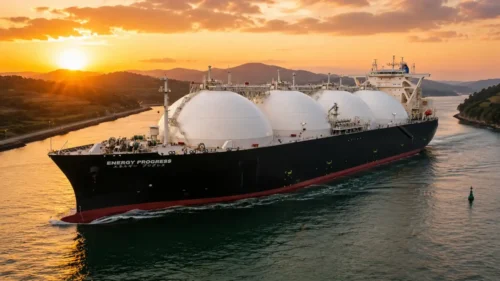

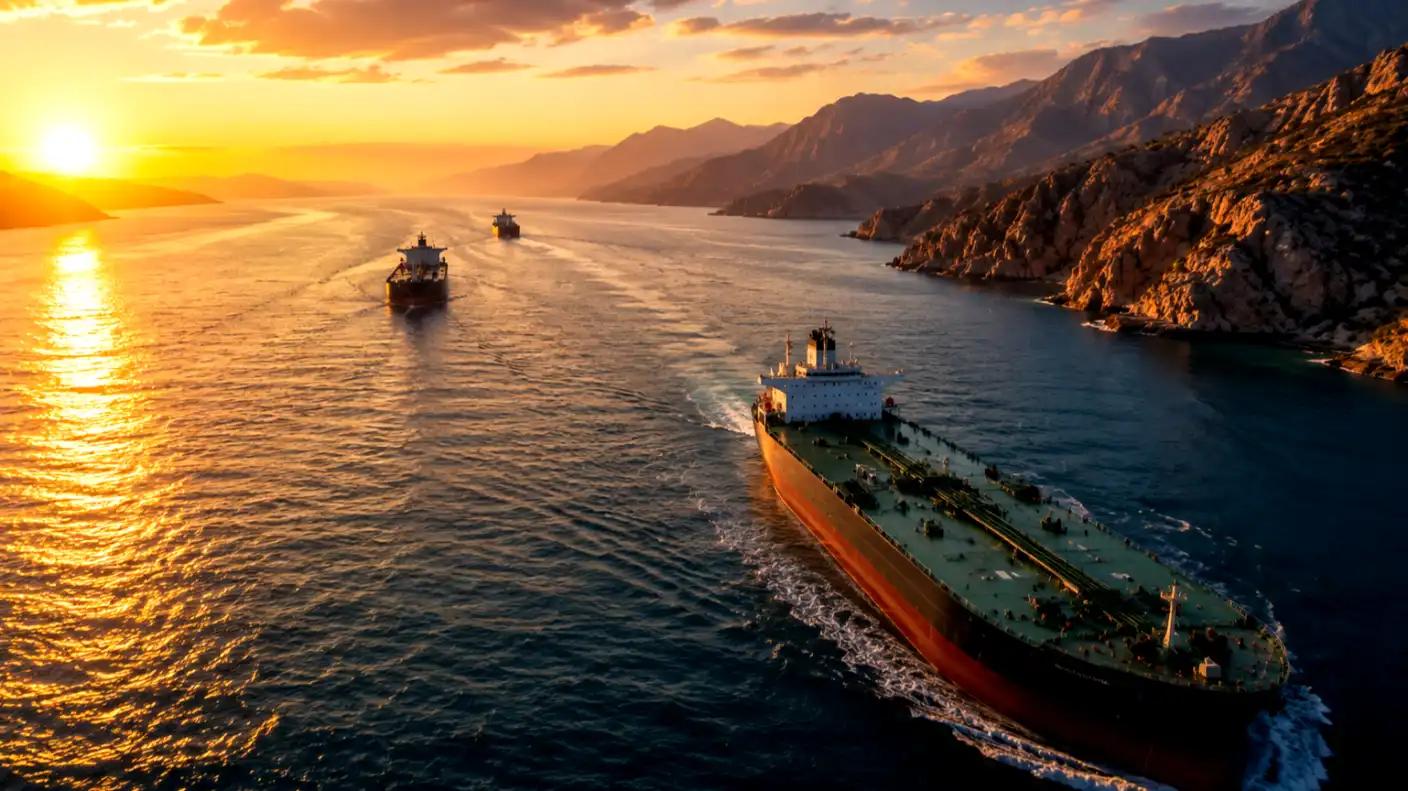
South Korean Foreign Minister Cho Hyun delivered major news to his country on Wednesday. He announced that a large South Korean oil tanker is currently navigating the dangerous waters of the Strait of Hormuz. If the ship makes it out to the open ocean safely, it will become the very first South Korean-managed vessel to clear the route since the U.S.-Iran war began. The ongoing conflict has frozen almost all commercial shipping in the region for weeks.
Cho shared these critical details during a busy parliamentary committee session in Seoul. Lawmakers gathered to discuss the nation’s growing energy crisis and demanded answers about the stalled supply chains. Cho told the room that the government worked directly with Iranian officials to secure a safe travel window for the crew. He confidently stated that at this very moment, a South Korean oil tanker is exiting the Strait of Hormuz in coordination with the Iranian side.
The diplomatic success took incredible effort and patience behind closed doors. South Korean diplomats spent exactly 4 weeks negotiating with authorities in Tehran to make this single trip happen. The government wanted to ensure the absolute safety of the 24 civilian sailors working on board the massive vessel. The crew currently carries roughly 2 million barrels of crude oil intended for fuel refineries in Asia.
When the U.S.-Iran war broke out, it completely shattered global shipping networks. Almost immediately, major shipping lines halted all movement through the Middle East. Over 40 international cargo ships and oil tankers dropped their anchors in safe ports across the Arabian Sea to avoid getting caught in the crossfire. Company executives completely refused to risk their billion-dollar assets in an active combat zone.
This sudden halt in maritime travel caused massive financial pain across the globe. Global crude oil prices spiked heavily, hitting $115 per barrel in just a few days of trading. Supply chain experts estimate that the shipping industry loses nearly $5.5 million every single day the strait remains closed to commercial traffic. Furthermore, marine insurance companies increased their coverage premiums by 300% for any ship daring to enter the Persian Gulf.
The Strait of Hormuz is the most important maritime route for global energy supplies. Under normal conditions, about 20% of the world’s total oil supply travels through this narrow 21-mile chokepoint. The water connects rich oil producers in the Middle East directly to energy-hungry consumer markets in Asia and Europe. A prolonged closure here practically guarantees a global economic recession.
South Korea felt the pain of this shipping blockade more than most Western nations. The country relies heavily on foreign energy imports to power its massive manufacturing sector. South Korean technology factories and car assembly plants buy about 70% of their total crude oil from Middle Eastern suppliers. Without a steady flow of oil tankers arriving at their ports, the country faced a serious national energy emergency.
Government economists warned lawmakers about the severe financial consequences of the ongoing war. They estimated that the national economy could lose over $1.2 billion if the shipping blockade lasted another full month. Everyday citizens already feel the pinch, with regular gasoline prices jumping by 1.5% at local pumps over the last weekend alone. The successful arrival of this 2-million-barrel shipment will provide immediate relief to the struggling local market.
Other Asian countries now watch South Korea’s bold move with intense interest. Governments in Japan, India, and China desperately want to restart their own paused energy shipments. Japan heavily draws on its national emergency reserves to keep the lights on, while India faces similar supply shortages. If this South Korean tanker clears the dangerous waters without taking any damage, other nations will likely try to copy Seoul’s diplomatic strategy.
South Korean officials already plan their next steps to secure their energy future. If this first test run succeeds, the shipping company hopes to send 3 more tankers through the troubled route by the end of next month. The government promises to maintain open lines of communication with Iran to protect its commercial fleets. For now, the entire global energy market holds its breath and waits for the tanker to reach its final destination safely.