

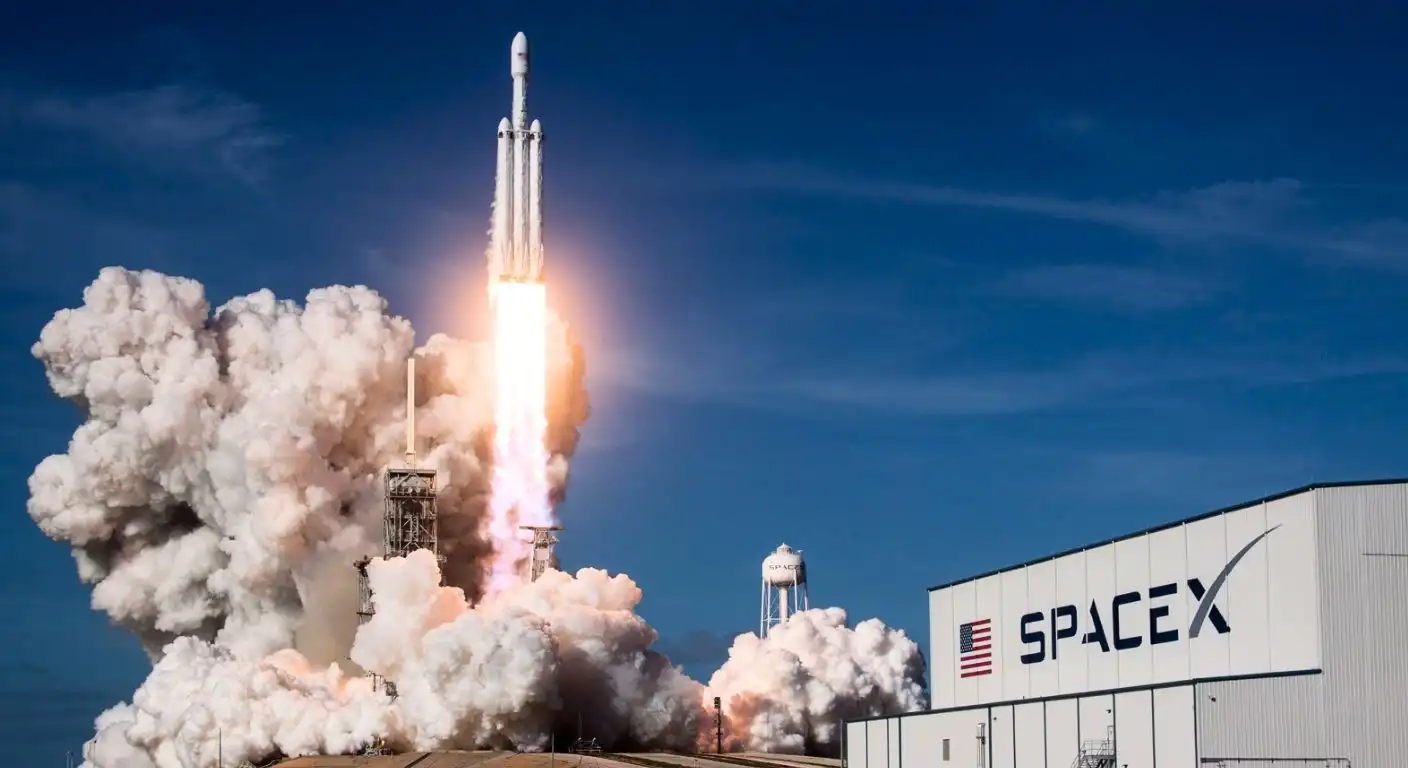
The global financial system is bracing for an unprecedented wave of investor excitement as the most anticipated stock market listing in history approaches its official kickoff. On Friday, June 12, 2026, Elon Musk’s rocket, satellite, and artificial intelligence giant, SpaceX, will begin trading on the public markets under the ticker SPCX. Major financial analysts are pointing to a potential “wild-eyed fear of missing out” (FOMO) stock market surge that could propel the broader indexes to record-breaking heights. With investors clamoring to secure a piece of the historic offering, Wall Street is witnessing an extraordinary level of demand that has already far exceeded the available supply of shares.
The financial metrics of the upcoming public debut have completely shattered previous historical records, establishing the listing as a monumental event for global capital markets. The company has priced its initial public offering at a fixed rate of $135 per share, following a recent five-for-one stock split designed to make the shares more accessible to the public. The offering aims to raise a staggering $75 billion, giving the Texas-based aerospace pioneer an initial market valuation of approximately $1.77 trillion to $1.8 trillion. This record-breaking valuation exceeds the individual market capitalization of all but six corporations in the S&P 500, positioning the company as an immediate heavyweight in the global tech economy.
The sheer volume of investor demand has created a massive, high-stakes scramble among both institutional giants and retail traders. Underwriters coordinating the offering report that buy orders are currently more than 20 times oversubscribed, with bankers receiving more than double the volume of bids relative to the total available shares. To anchor the listing, a leading global asset management giant has reportedly discussed investing between $5 billion and $10 billion directly into the offering. This potential multi-billion-dollar institutional commitment has acted as a powerful endorsement, prompting other sovereign wealth funds and private equity firms to aggressively lobby for their own allocations.
In a rare move for a blockbuster public offering, the company has earmarked an unprecedented 30% of its total shares—worth roughly $22.5 billion—for retail investors. Historically, Wall Street firms have reserved these high-profile listings exclusively for institutional clients, shutting out ordinary retail buyers. To capture this massive public interest, several prominent online brokerage firms have slashed their account requirements. One major brokerage lowered its account minimum from $500,000 to just $2,000, in time for the listing, representing roughly 1.5% of total active retail investment accounts in the country and allowing millions of everyday investors to submit their indications of interest and participate directly in the space-tech boom.
A prominent investment research firm has published highly ambitious long-term financial forecasts that help explain the market’s extreme optimism. The firm’s research analysts expect the company’s newly organized artificial intelligence division to deliver a staggering $755 billion in sales by 2031, up from just $3.2 billion last year. Furthermore, the analysts project that the company’s total consolidated revenue will top $1 trillion by 2031, a massive leap from the $18.7 billion recorded in 2025. The rapid expansion of the satellite internet network Starlink and the integration of next-generation uncrewed defense systems primarily drive this projected growth.
However, achieving these historic revenue targets will require an unprecedented level of capital investment. The same investment research firm projects that the company will need to undertake massive capital expenditures, spending approximately $360 billion in 2030 and a mind-boggling $732 billion in 2031 to build out its global physical AI and satellite infrastructure. This massive capital intensity will likely cause the company’s free cash flow to bottom out at-$105 billion in 2029, then turn positive and exceed $72 billion by 2031. This high-risk, high-reward financial trajectory requires investors to underwrite one of the most aggressive capital deployment programs in corporate history.
Despite the company’s massive valuation and explosive growth prospects, passive index funds will have to wait years before they can formally add the stock to their portfolios. The index committee of the primary S&P 500 index provider recently declined a proposal to relax its strict profitability guidelines, which require a company to generate positive net income over the past four quarters. Because financial analysts do not expect the aerospace giant to post positive net income annually until 2027, the stock will likely remain ineligible for S&P 500 inclusion until at least 2028. This decision stands in stark contrast to the major tech-heavy exchange, which modified its rules to allow index entry in just 15 business days.
Post-listing, Elon Musk will maintain absolute, near-total control over the company’s strategic and operational direction. According to the official offering prospectus, Musk will hold a commanding 85.1% of the total corporate voting power, ensuring that he cannot be removed as chief executive officer without his explicit consent. Furthermore, the company has added unique governance provisions that make it exceptionally difficult for minority shareholders to challenge executive decisions. Musk is also subject to a strict one-year lock-up period that prevents him from selling any of his personal shares, reassuring investors that he remains fully committed to the company’s long-term vision.
The successful public debut is also set to solidify Elon Musk’s position as the wealthiest individual in modern history. With his personal stake in the company currently valued at over $540 billion, the firm’s post-listing market capitalization will likely push Musk’s net worth past the historic $1 trillion threshold, crowning him as the world’s first official trillionaire. As the opening bell approaches on Friday, the global financial community remains in high suspense. Whether the listing marks the peak of a speculative bubble or launches a powerful new era of space-age industrial growth, the historic debut will undoubtedly reshape global capital markets for years to come.















