
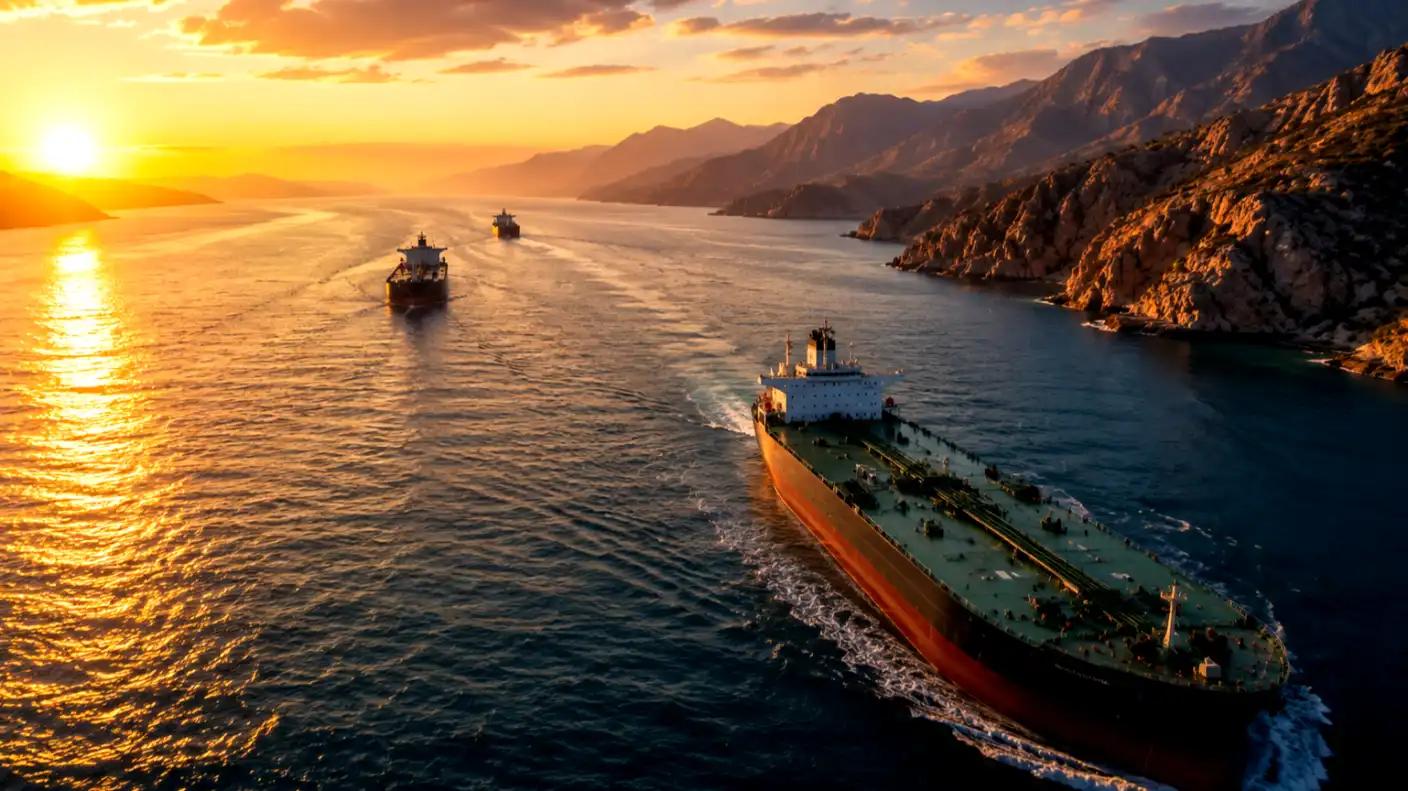
A quiet but massive operational shift is taking place inside the world’s most critical energy chokepoint, allowing major oil and gas producers to bypass a highly dangerous military blockade. On Tuesday, June 9, 2026, maritime intelligence reports revealed that the number of commercial vessels conducting “dark transits” through the Strait of Hormuz has surged to a historic high. To avoid being targeted by military forces and regional militias, mainstream energy tankers are systematically disabling their satellite-tracking transponders before entering the contested waterway. This covert practice is successfully hiding a significant increase in physical energy flows, proving that the vital trade corridor remains partially open despite the ongoing war.
This surge in covert shipping has created a massive discrepancy between official military surveillance and commercial ship-tracking platforms. While private-sector tracking firms that rely solely on active transponders have recorded just over 650 transits through the strait since the April 8, 2026, ceasefire, military intelligence paints a far busier picture. An official familiar with US Central Command operations revealed that American air, sea, and space surveillance documented nearly 1,000 commercial vessel transits over the same two-month period. This significant difference proves that hundreds of ghost tankers are successfully evading commercial detection, running silent to keep global energy markets supplied.
The current transit volume still represents a major decline from historical averages, though the trend lines point toward a steady recovery. Before the outbreak of the war in late February 2026, more than 100 large commercial vessels crossed the Strait of Hormuz every single day. Current military estimates show that about 17 ships now cross the waterway daily, representing a substantial 85% drop from normal shipping traffic. On Monday, June 8, radar systems tracked eight visible transits through the strait, while on June 9, only two visible crossings registered on commercial maps. Despite this thin visible traffic, the stealthy movement of ghost ships is successfully mitigating the worst energy supply shock in modern history.
What began as an illegal evasion tactic associated almost exclusively with sanctioned Iranian tankers has now become a standard commercial response for mainstream international operators. Leading maritime analytics firms report that non-Iranian shipping companies now account for the vast majority of dark outbound movements through the Strait of Hormuz. Between early March and late May of 2026, dark transits represented 57% of all commercial vessel movements through the waterway, with that figure climbing to a record 65.2% in May. Greek, Chinese, and Indian shipowners are actively leading this shift, willing to assume the immense risks to keep lucrative Gulf cargoes moving.
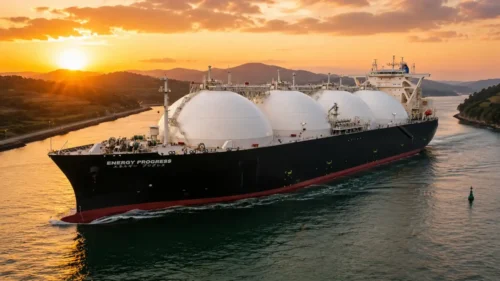
The successful passage of several massive supertankers highlights the viability of these stealthy operations. On Tuesday, June 9, the supertanker Kiara M arrived in the Gulf of Oman after loading approximately 2 million barrels of Iraqi crude last week, having completed its entire transit through the strait with its transponder switched off. At the same time, Kuwait took the highly symbolic step of offering crude directly to Asian refiners for the first time since the war began. The country is currently marketing at least 4 million barrels of its main export grade to buyers in China and South Korea, with shipping sources confirming that the tankers carrying these cargoes have already safely cleared the strait.
This shift toward stealth shipping has also swept up the world’s most powerful state-owned energy conglomerates. National energy companies, including Saudi Arabia’s Aramco and the United Arab Emirates’ ADNOC, are routinely instructing their chartered supertankers to disable their Automatic Identification Systems (AIS) before entering the Persian Gulf. In Qatar, the world’s largest exporter of liquefied natural gas, QatarEnergy has ordered its captains to go dark near the massive Ras Laffan export terminal. Captains who refuse to operate in dark mode face immediate replacement, as major producers scramble to protect their crews and fulfill their multi-billion-dollar supply contracts.
While these stealth voyages allow tankers to slip past hostile forces, they carry an extraordinary financial penalty. Under International Maritime Organization guidelines, commercial vessels must keep their AIS transponders active at all times to prevent collisions. By choosing to “go dark,” shipowners automatically void their maritime insurance policies, leaving them entirely exposed to catastrophic losses in the event of an accident or attack. Consequently, war risk insurance premiums for tankers willing to transit the waterway have skyrocketed from 0.25% of a vessel’s hull value before the conflict to over 5% today, adding nearly $1 billion in extra transportation costs to the global energy supply chain.
This massive rise in shipping costs and the ongoing restriction of the strait have placed an immense burden on global energy consumers. Higher-sulfur crude grades typical of the Persian Gulf remain largely cut off from complex refiners in Asia, which have built their entire processing systems around Middle Eastern feedstocks. While Brent crude prices surged to nearly $120 a barrel during the peak of the hostilities, the steady flow of ghost tankers has helped cap the rise, keeping prices in the $90 to $98 range. However, because these dark transits account for nearly 1.5% of total global shipping capacity, any sudden crackdown or collision in the crowded waterway could instantly trigger a severe new-energy spike.
As the war in the Middle East continues with no permanent settlement in sight, the Strait of Hormuz has permanently transitioned into a controlled, highly opaque maritime operating environment. The dramatic rise of the shadow fleet shows that global market forces will always find creative, albeit risky, pathways to bypass geopolitical blockades. However, this lack of real-time visibility leaves energy traders and international analysts operating in the dark. Until Washington and Tehran can negotiate a durable diplomatic treaty that restores the freedom of navigation, the world’s most critical energy artery will remain shrouded in shadows, leaving global markets vulnerable to sudden shocks.