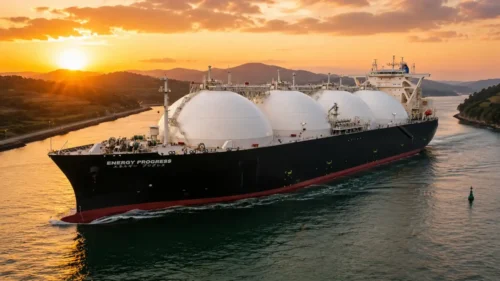

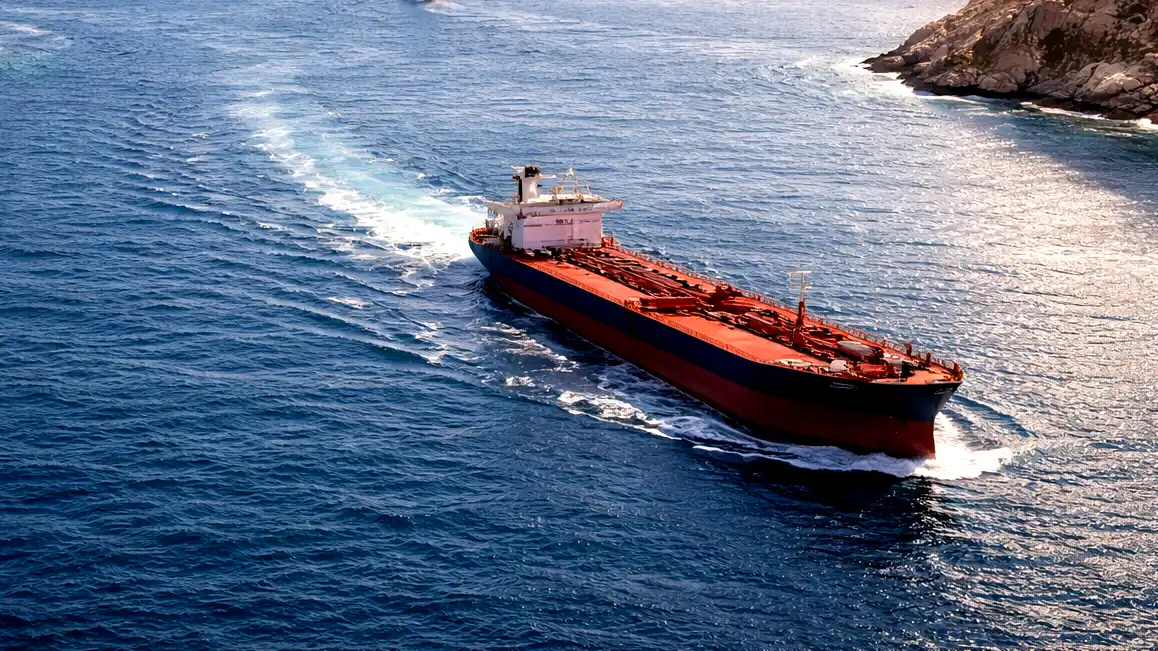
The head of a major Belgian tanker company warns that the global shipping industry faces deep uncertainty in the coming months: Alexander Saverys, CEO of CMB.Tech spoke on Tuesday about the potential reopening of the Strait of Hormuz. He noted experts cannot agree on whether freight rates will rise or fall when ships return to the crucial waterway. The tanker market currently experiences a massive financial boom due to the recent blockade.
The ongoing disruption created massive profits for CMB.Tech. The company successfully tripled its first-quarter core profit earlier this year. The closed strait forced global oil buyers to scramble for available ships, which directly drove up spot freight rates. The company, which officially rebranded from Euronav in October 2024, capitalized heavily on these extremely tight market conditions.
When the Strait of Hormuz closed, shipping companies had to find entirely new routes. Many captains now sail their ships on massive detours that add 14 to 21 extra days to a standard voyage. This extra travel time artificially reduces the number of ships available on the global market on any given day. As a direct result, buyers pay a massive premium to secure a tanker.
The tight market creates strange side effects for the entire shipping industry. Because energy companies desperately need ships right now, they gladly buy older models. Tankers that sit at 15 or even 20 years old now sell for massive profits. CMB.Tech benefited directly from this trend, securing millions of dollars from buyers willing to overpay for aging equipment just to keep their oil moving.
Saverys explained that many industry insiders predict a massive rush if the Strait reopens tomorrow. One common view suggests oil buyers will frantically restock their depleted reserves. This sudden surge in demand would quickly overwhelm the current supply of available tankers. In this scenario, shipping rates would instantly rise as companies compete to charter vessels.
However, the CEO strongly warned against accepting this optimistic prediction as a guaranteed fact. He believes the energy markets completely underestimate the slow pace of recovery. He pointed out that oil exports from the Middle East will take significant time to return to normal levels. Facilities need repairs, and pipelines need safety checks before workers can safely pump millions of barrels back into waiting ships.
Saverys also highlighted a major risk regarding vessel supply. A reopening would suddenly free up a huge volume of tankers. Ships that currently take long detours around the globe would complete their trips much faster. This sudden burst of available shipping capacity could easily create a massive oversupply in the market. If too many ships chase too few oil cargoes, freight rates will crash.
The shipping market is already undergoing significant changes as vessels migrate to new regions. A massive shift of freight tonnage toward the Atlantic Ocean currently weighs heavily on global shipping rates. Tankers that previously traded exclusively through the Gulf are now repositioning to find new work. They travel to ports in the United States, Brazil, and West Africa to load oil for eager international buyers.
This geographic shift pulls spot rates down from their absolute highest peaks. Yet, tanker owners still make incredible amounts of money every single day. Saverys revealed that vessels currently earn between $80,000 and $120,000 per day. These daily rates remain exceptionally high compared to historical averages, ensuring companies continue to bank massive profits.
Another major question hangs over the global oil market. Strong export volumes from the United States currently keep the Atlantic shipping trade highly active. The U.S. government released massive volumes of crude from its national oil reserves to stabilize global energy prices. Savery’s questions exactly how long the United States can sustain these high daily export levels before those reserves run dry.
For now, tanker companies operate in a highly profitable but fragile environment. The closure of the Strait of Hormuz completely removed a massive amount of shipping capacity from the market. CMB.Tech and its competitors enjoy the financial rewards of this supply crunch. However, executives like Saverys know the current boom relies entirely on a situation that could change overnight.