
A quiet but rapid restructuring is taking place across the Indo-Pacific region. Facing growing doubts about the long-term reliability of the United States and China’s relentless military rise, Asian nations are building a complex network of bilateral and multilateral defense partnerships. This strategic shift, which security experts call the Indo-Pacific Hedge, marks a major transition in which countries prepare to defend their national interests with the United States if possible, but without it if necessary.
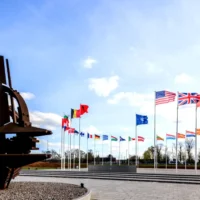
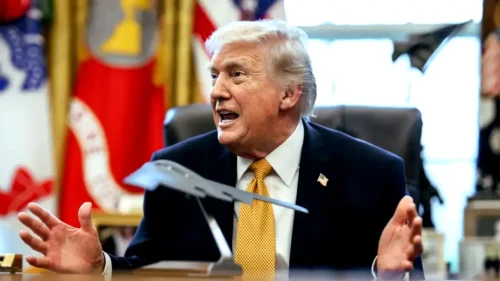
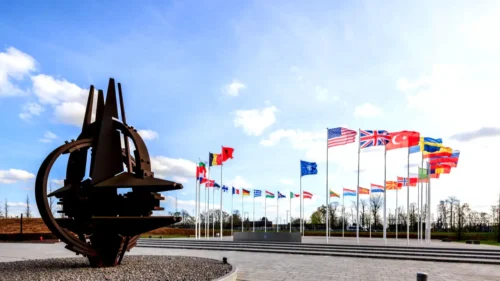
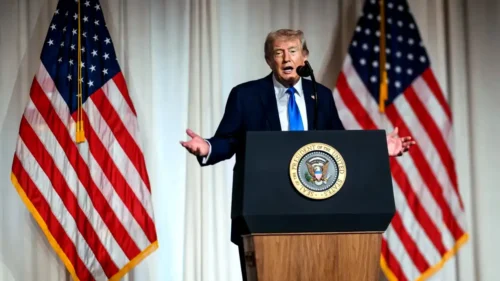
The primary driver of this regional anxiety is the highly unpredictable foreign policy of U.S. President Donald Trump. His transactional “America First” strategy has deeply unsettled long-time allies from Tokyo to Canberra. Recently, Trump ordered the withdrawal of 5,000 U.S. troops from Germany and threatened to pull out of the NATO alliance completely over disputes regarding the Iran war. These sudden, unilateral decisions have forced leaders in the Indo-Pacific to realize they can no longer rely blindly on Washington’s security promises.
At the same time, China continues to expand its military footprint across the region at a breakneck pace. Supported by an annual defense budget that exceeds $250 billion, Beijing routinely sends massive fleets of warships and fighter jets to patrol the Taiwan Strait and the South China Sea. During a recent high-stakes summit in Beijing, Chinese President Xi Jinping secured a new “constructive strategic stability” agreement with Trump, raising fears among smaller Asian nations that the two superpowers might eventually negotiate their futures behind closed doors.
To counter these rising threats, regional powers are rapidly upgrading their own militaries. In Japan, Prime Minister Sanae Takaichi, a well-known security hawk, successfully doubled the country’s defense spending to exactly 2% of its gross domestic product. This massive military budget, totaling roughly 43 trillion yen, represents a significant shift away from Japan’s traditional post-war pacifist limits. Just last week, a new group comprising 347 of 417 LDP lawmakers launched in parliament to support her controversial defense policies. This solid political foundation will help her push through new counterespionage laws and upgrade the country’s intelligence-gathering networks.
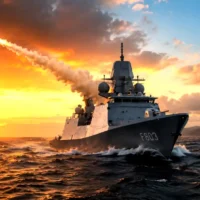
South Korea has also emerged as a major player in this regional defense buildup. The country’s advanced 3,000-ton submarine, ROKS Dosan Ahn Chang-ho, recently completed a historic 14,000-kilometer trans-Pacific voyage to Canada. This marked the very first time a South Korean submarine successfully crossed the Pacific, proving that Seoul can build world-class, long-endurance naval hardware. The trip also supported South Korea’s bid for Canada’s massive $41 billion patrol submarine contract, which Hanwha Ocean expects to secure next month.
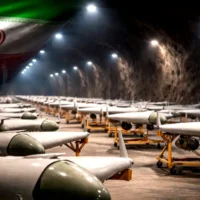
Down in the South Pacific, even smaller nations are spending heavily to protect their trading lanes. New Zealand’s government announced a massive NZ$1.6 billion (about $936 million) investment plan to buy advanced military drones and upgrade its small naval fleet. The country wants to use these high-tech eyes in the sky to run long-duration intelligence and security missions over the Pacific and the freezing Southern Ocean, protecting its economy from overseas trade disruptions.
Instead of relying solely on traditional U.S.-led multilateral alliances, Asian nations are now signing new bilateral agreements with one another. Just this week, South Korean Foreign Minister Cho Hyun met with his Croatian counterpart in Seoul to sign new memorandums of understanding covering weapons development, battery technology, and nuclear security. Australia, Japan, and India are also holding regular joint exercises, creating a web of independent security partnerships that can survive even if Trump decides to withdraw American forces from the region. These bilateral deals allow middle powers to share advanced technology and coordinate their defense strategies directly.
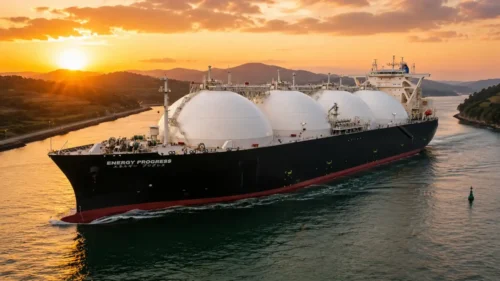
This massive regional military buildup is placing a heavy strain on local economies. The ongoing war in the Middle East has blocked shipping through the Strait of Hormuz, driving global energy prices up and pushing regional inflation up by an extra 1.5% over the past two months. This economic disruption has cost the global shipping and logistics industries over $1.5 billion every single week. To protect their economies, Asian nations are spending billions, pushing collective regional defense budgets past $300 billion annually. This heavy spending accounts for a major share of their national budgets, but they view it as a necessary cost of their future survival.
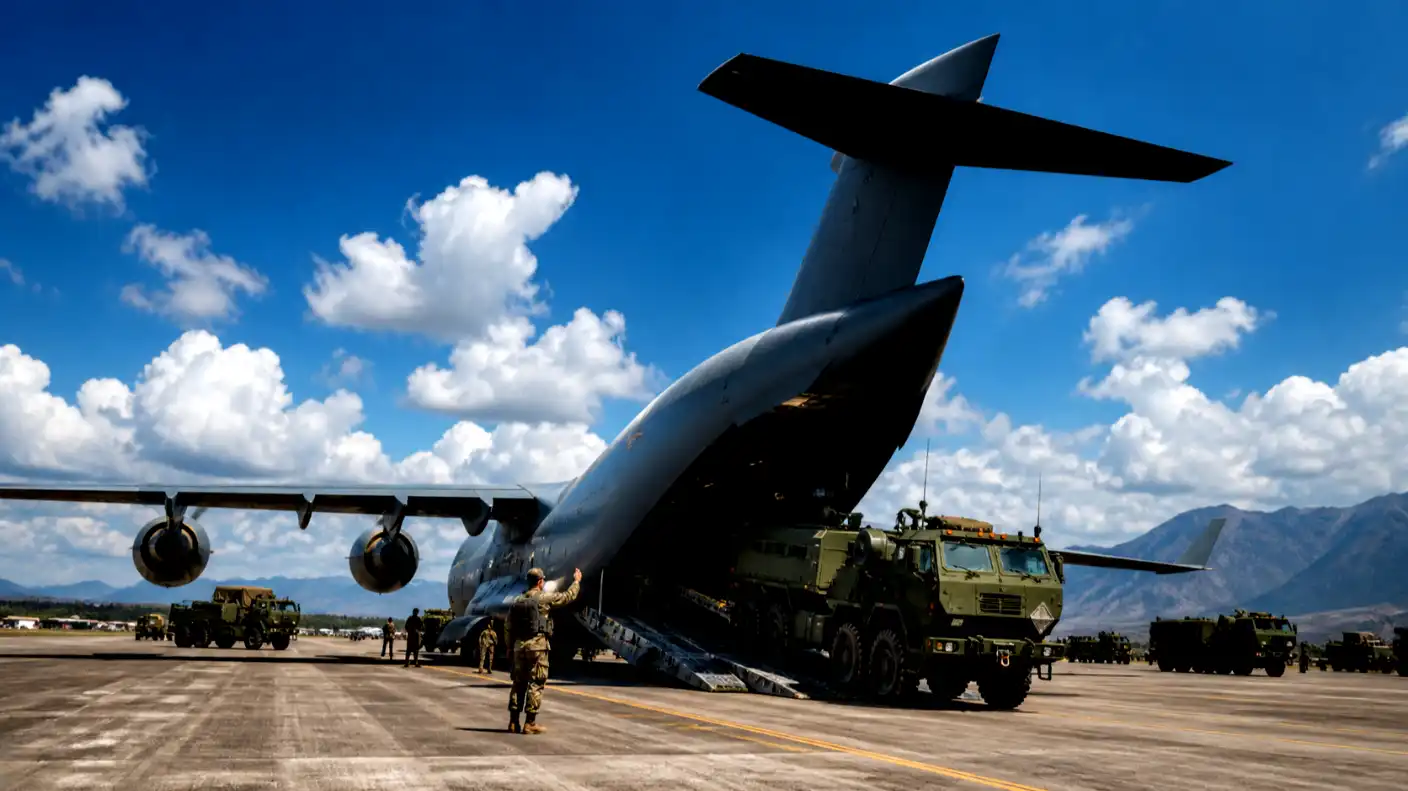
Ultimately, the Great Indo-Pacific Hedge proves that the era of uncontested American security guarantees has officially come to an end. While Asian allies still value their relationship with Washington, they realize they must take on the full burden of their own defense. As global tensions continue to rise, the country that successfully builds the most resilient, high-tech, and independent military network will dominate the future of the Pacific, ensuring that regional stability no longer depends on the unpredictable decisions of a single president in Washington.