
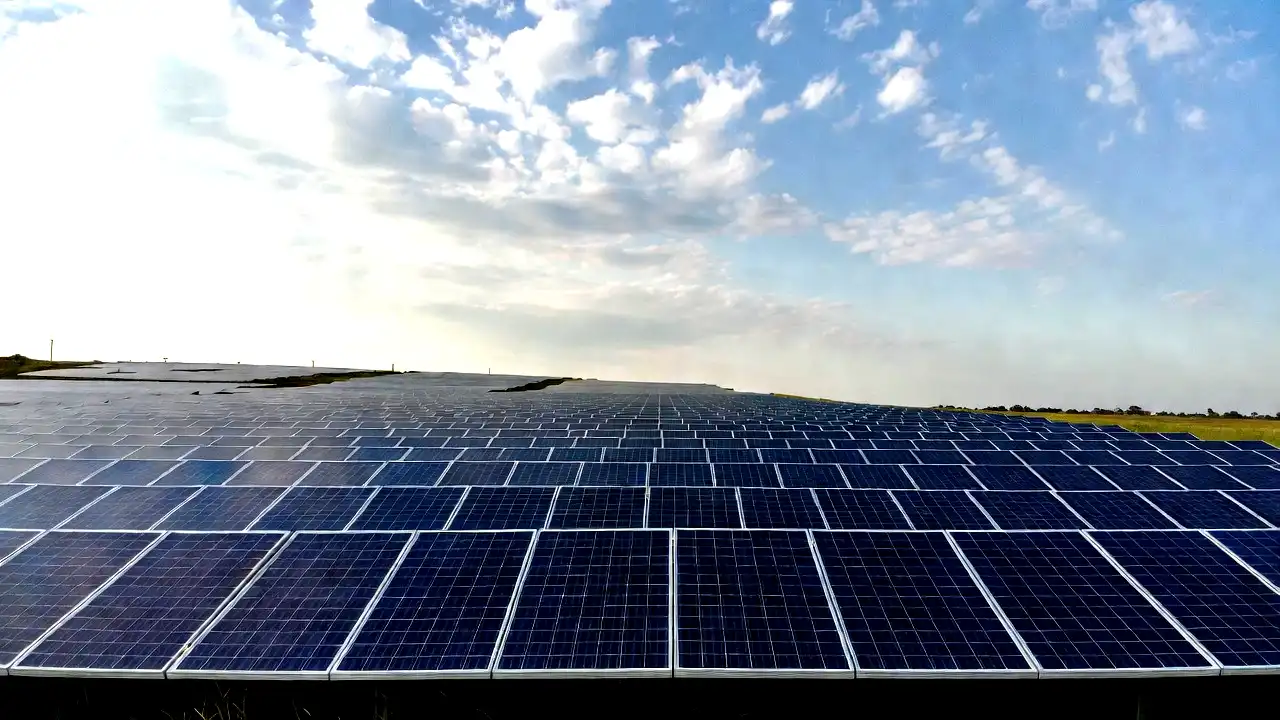
A profound transformation is sweeping through the global energy landscape. Nations and industries are redirecting trillions of dollars toward cleaner, more diverse power sources. While environmental targets initially drove this movement, a new and powerful driver has taken center stage. Geopolitical tensions, trade disputes, and severe energy security concerns are forcing policymakers to accelerate their green energy transition plans.
This article explores the hard macroeconomic numbers and capacity data behind this global transition. It also analyzes the strategic perspectives of energy experts, utility companies, and global leaders navigating the complex balance among energy security, public affordability, and carbon reduction.
The Macroeconomics of the Shift: Deciphering the Three Trillion Dollar Splurge
Global energy spending has reached an unprecedented level. According to the International Energy Agency’s latest World Energy Investment report, capital flows to the energy sector will grow to $3.4 trillion. This represents a solid 5% year-on-year increase over the previous year, highlighting how governments and private corporations continue to prioritize expanding their electricity systems.
The Funding Gap: Clean Energy vs. Fossil Fuels
The division of this massive $3.4 trillion energy budget reveals a clear preference for low-emission technologies:
- Clean Energy Sector: Approximately $2.2 trillion is flowing collectively into power grids, energy storage systems, nuclear power, renewable energy projects, and broad electrification efforts.
- Fossil Fuel Sector: Around $1.2 trillion is being invested in the supply of oil, natural gas, and coal.
This two-to-one investment ratio in favor of clean technologies shows that green energy is no longer a speculative or niche market. It has become a mature, commercially competitive industry that attracts the vast majority of global investment capital.
The Divergent Paths Within Fossil Fuel Investments
Within the $1.2 trillion fossil fuel budget, different fuels are moving in opposite directions:
First, oil investments are contracting. Capital spending on oil extraction and processing is expected to fall below $500 billion, marking the third consecutive year of declining investment in this sector.
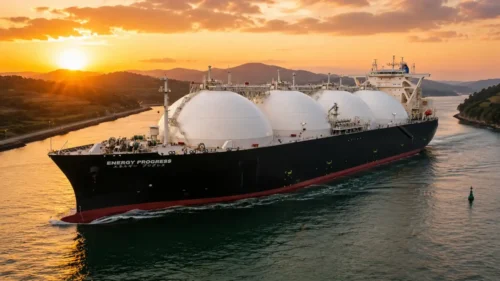
Second, investment in natural gas is climbing. Spending on natural gas is projected to rise to $330 billion. This is the highest level in a decade, driven primarily by massive liquefied natural gas export terminals under construction in the United States and Qatar.
Third, coal investment is experiencing an unexpected resurgence. Global coal spending is set to rise to $180 billion, the highest annual figure since 2012. China alone accounts for nearly 70% of this coal spending, as the nation seeks to bolster its domestic power reliability amid growing industrial electricity demand.
Physical Additions: Record-Breaking Green Power Capacity
The physical deployment of clean energy systems is keeping pace with these massive financial investments. Electricity grids around the world are integrating new solar panels and wind turbines at a record-breaking rate.
The Solar and Wind Heavyweights
According to data from the International Renewable Energy Agency, global renewable power capacity increased by a record 692 gigawatts in 2025. This represents a rapid 15.5% annual increase, bringing the total global renewable capacity to 5,149 gigawatts.
Solar power was the primary driver of this growth, accounting for nearly three-quarters of all renewable additions. The world installed 511 gigawatts of new solar capacity, representing a massive 27.2% annual expansion.
Wind energy also registered significant gains, with developers adding 159 gigawatts of capacity globally. Energy think tank Ember reported that the combined global installed capacity of wind and solar has crossed 4,174 gigawatts, marking a historic milestone for the global grid.
The Emerging Market Center of Gravity
A common misconception is that the world’s wealthiest economies are driving this clean energy expansion. In reality, the center of gravity for new green power has shifted decisively toward emerging and developing countries.
The G7 nations, despite controlling roughly half of global wealth, account for only 11% of the world’s prospective additions in wind and utility-scale solar capacity.
China has established itself as the undisputed leader in green energy deployment. The country’s combined operating wind and solar capacity surpassed 1.6 terawatts, which is triple the combined capacity of its closest peers, the United States and India.
Other emerging economies, particularly in Central Asia, are also accelerating their transitions. For example, Uzbekistan increased its renewable energy capacity by 65% in a single year, highlighting how rapidly developing nations can scale up their clean energy infrastructures.
Battery Storage: The Unsung Hero of Grid Reliability
Because wind and solar energy are intermittent, power grids require massive storage capacity to balance supply and demand when the sun is not shining or the wind is not blowing. Battery storage has emerged as the critical link that makes the green transition work.
Record-Breaking Deployments
The International Energy Agency reported a record 108 gigawatts of global battery storage additions. This rapid deployment is helping to stabilize electrical grids as they integrate higher levels of variable renewable energy.
Batteries offer a major advantage over traditional power plants due to their modular design and rapid construction times. A typical utility-scale battery project requires a median construction period of just 275 days. This is slightly longer than solar installations but significantly faster than the two years required for gas plants or the six years needed for nuclear facilities.
California’s Evening Balancing Act
The real-world utility of these battery systems is highly visible in California, which has become a global test case for grid management. The state has installed more than 55 gigawatts of solar capacity, which frequently produces more electricity than the state needs during peak afternoon hours.
To store this excess energy, California has expanded its battery storage capacity from less than 1 gigawatt in 2019 to more than 17 gigawatts today.
During peak evening hours, when solar generation drops and household electricity consumption rises, these batteries perform a critical balancing function. Battery systems supplied more than 40% of California’s evening electricity demand during periods of high consumption, keeping the lights on and demonstrating that batteries can replace traditional fossil-fuel peaking plants.
Nuclear and Grids: Rebuilding the Backbone
As the share of renewable energy grows, governments are recognizing the need for reliable, baseload power and expanded transmission networks to carry electricity from remote wind and solar farms to urban centers.
The Nuclear Resurgence
Investor interest in nuclear energy is rising steadily as a response to global capacity shortages and the need for zero-emission baseload power. Annual global investment in nuclear energy has surpassed $80 billion.
There are currently nearly 80 gigawatts of new nuclear capacity under construction across 15 countries. Governments are extending the lifespans of existing reactors while investing in new technologies, such as small modular reactors, to provide a steady supply of clean electricity.
Rebuilding the Electrical Transmission Lines
The physical shift in energy generation requires a massive expansion of the world’s electrical grids. Investment in electricity supply and infrastructure is expected to reach nearly $1.6 trillion. This figure increases to $2 trillion if end-use electrification, such as vehicle charging networks and heat pumps, is included.
However, grid bottlenecks remain a major hurdle. In the United States, Europe, and Japan, permitting processes, land-use disputes, and grid connection approvals mean that solar and battery projects typically require between two and two-and-a-half years to become fully operational.
In contrast, streamlined regulatory environments in China and some Middle Eastern countries allow projects to connect to the grid much more quickly, highlighting how policy and bureaucracy influence the pace of the transition.
Strategic Views: The Clash Between Security, Affordability, and Decarbonization
The rapid shift toward green energy has divided opinions among economists, industry executives, and political analysts. There are two primary schools of thought on how governments should manage this transition.
The Case for a Security-First Energy Transition
Many strategic analysts and energy watchdogs argue that the current energy crisis has changed risk perceptions forever. International Energy Agency Executive Director Fatih Birol noted that the world is experiencing the largest energy security crisis in history, driven by regional conflicts and supply vulnerabilities.
Proponents of this view argue that the primary benefit of renewables, nuclear power, and domestic battery manufacturing is not just lower carbon emissions, but national self-reliance. By investing in domestically available energy sources, energy-importing countries in Europe and Asia can insulate their economies from volatile global oil and gas prices.
This security-first mindset explains why governments are willing to pay a premium to subsidize local clean energy manufacturing, even if it increases short-term costs for taxpayers.
The Case for Global Cooperation and Low-Cost Trade
In contrast, some trade economists and industry groups warn that rising trade protectionism and geopolitical decoupling will slow down the global transition and make it far more expensive.
The United States and the European Union have implemented high tariffs on Chinese-made electric vehicles, solar panels, and lithium-ion batteries to protect their domestic industries from what they call industrial overcapacity.
Critics of these protectionist policies argue that restricting cheap imports makes it harder for Western utilities and consumers to adopt clean technologies. They point out that China’s massive manufacturing scale has driven down the cost of clean energy globally, making solar power the cheapest form of electricity in history for many regions.
By blocking these imports, Western nations risk delaying their decarbonization targets and increasing electricity bills for their citizens. These experts advocate for a more balanced approach that combines domestic security measures with selective, low-cost international trade.
Ultimately, the global transition to green energy is an ongoing process with no simple solutions. As nations invest trillions of dollars to rebuild their power systems, they must constantly balance the immediate need for energy security with the long-term goals of environmental sustainability and economic affordability. The decisions made by policymakers today will define the structure of global trade, technology, and geopolitics for decades to come.