

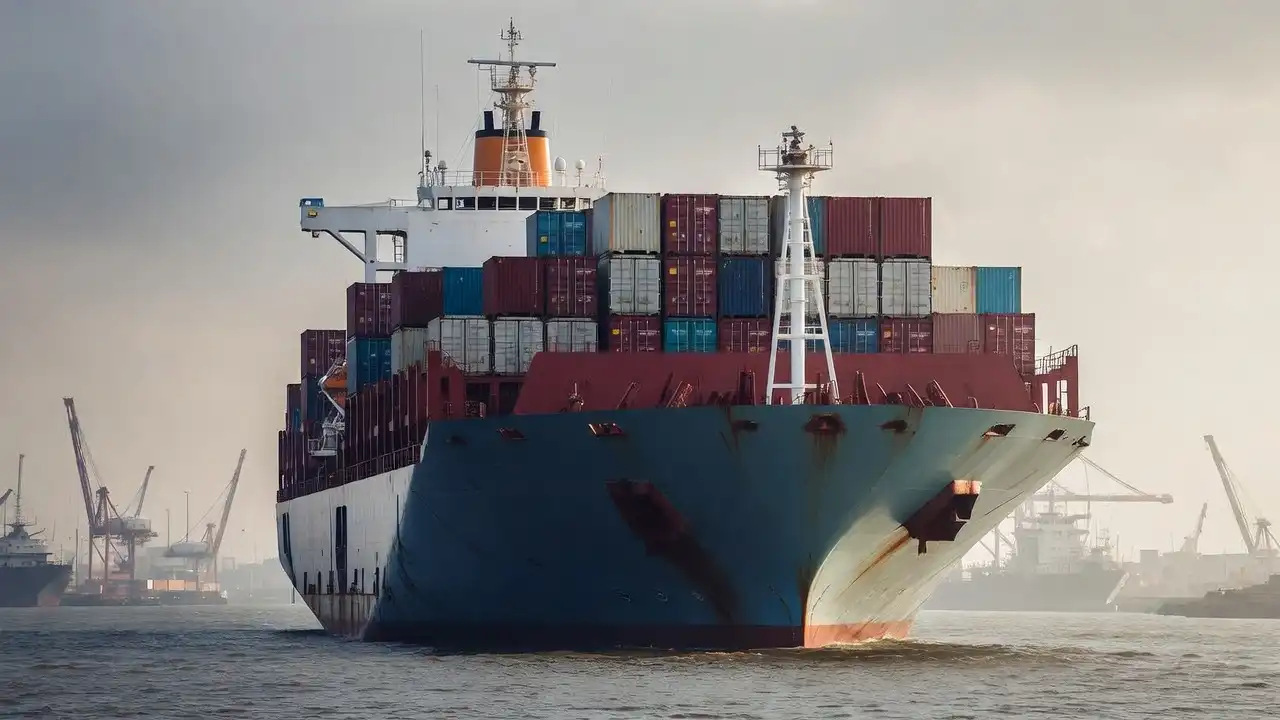
A dramatic and unexpected surge in trade is unfolding between the United States and Cuba as American businesses exploit a significant regulatory loophole to bypass a tightening Washington blockade. Despite the American administration’s public efforts to isolate the communist-ruled island, official trade data reveal that U.S. exports to Cuba have jumped significantly this year. Private traders and logistics firms are successfully shipping fuel, automobiles, home appliances, furniture, and food directly to the island’s growing private sector. This quiet boom in commerce highlights a widening gap between official diplomatic hostility and the practical realities of a humanitarian crisis that has pushed the island of 10 million people to the brink of collapse.
The quiet surge in American imports comes at an exceptionally grim moment for Cuba, which is currently grappling with its most severe energy and economic crisis since the Cold War. The island’s energy grid has practically collapsed following a highly effective, de facto U.S. naval blockade on Venezuela—Cuba’s primary benefactor—which tightened further following the ouster of Venezuelan leadership earlier this year. With Russian fuel deliveries largely fizzling out, Cuba has completely run out of diesel and fuel oil, forcing the government to implement rolling power blackouts of up to 20 hours a day. The energy scarcity has crippled schools, shut down universities, and pushed the national healthcare system to a breaking point, with local childhood cancer survival rates reportedly dropping from 80% to 65% due to basic supply shortages.
The legal pathway driving this commercial boom is a highly strategic regulatory exemption that the American administration quietly introduced in February. In an effort to support independent economic activity without validating state-controlled entities, Washington authorized direct commercial sales to Cuba’s private sector, specifically targeting micro, small, and medium-sized enterprises, known locally as mipymes. This policy change allows U.S. firms to export food, fuel, and manufactured goods directly to these private businesses for personal or family use without requiring a specific, highly difficult-to-obtain Treasury license. Over 9,200 private businesses have sprung up across the island, creating a vital parallel economy that relies almost entirely on these legal American imports to survive.
The immediate financial impact of this private sector loophole is clearly visible in official customs data. In April, U.S. exports of goods to Cuba jumped to a substantial $91.4 million, marking a significant increase from the $73.5 million recorded in March and the $64.9 million registered in January. This upward trajectory follows a robust performance in 2025, when total annual U.S. exports to the island reached $809.6 million. While historically dominated by frozen poultry shipments from American agricultural conglomerates, the export mix has rapidly diversified to include high-value consumer goods, hardware, construction materials, and even gasoline, as private Cuban buyers scramble to secure essential items that the bankrupt state can no longer provide.
Despite the impressive growth metrics, transporting fuel and goods under the current regulatory framework remains an exceptionally slow, expensive, and inefficient process. To comply with U.S. sanctions and avoid direct interaction with state-owned logistics companies, American exporters must ship fuel to Cuba in specialized, small shipping containers known as “ISO tanks.” Each of these metal tanks is capable of carrying only about 6,900 gallons of gasoline. Exporters must fill these containers in the United States, ship them individually to Cuba for private distribution, and then transport the empty tanks back to American ports for refilling. This cumbersome logistics model has severely limited the volume of fuel reaching the island, keeping local prices astronomically high.
To bypass these painful operational constraints, a Florida-based midstream energy firm recently attempted to execute the largest and most ambitious U.S. fuel shipment to Cuba since the original Eisenhower-era embargo was established in 1960. Coral Gables-based Vanguard Energy signed a landmark contract in May to lease storage facilities on the island and transport a massive cargo of 250,000 barrels of fuel—comprising 100,000 barrels of gasoline and 150,000 barrels of diesel—on a U.S.-flagged oil tanker. Under the legal guidance of a prominent Miami law firm, the company devised a mechanism to maintain ownership of the fuel while storing it on the island, intending to sell it exclusively to pre-vetted private businesses and the U.S. Embassy.
However, the massive, highly publicized fuel deal quickly triggered a fierce political backlash from the influential Cuban-American community in South Florida, who accused the firm of directly enriching the Cuban government. Yielding to this political pressure, the U.S. Treasury Department intervened aggressively on Thursday, officially adding Cuba’s state-owned oil and gas company, Unión Cuba-Petróleo (CUPET), to its sanctions list. Because Vanguard’s storage lease was signed with CUPET, the sudden blacklisting made the transaction legally impossible for any American entity. Consequently, the U.S. State Department clarified that the firm had not received a license for the transaction, forcing Vanguard to officially suspend its plans to ship the 250,000 barrels of fuel by tanker.
The swift intervention of the Treasury Department is part of a broader, highly aggressive campaign by the American president and his Secretary of State to dismantle the Cuban government by the end of the year. The administration has amped up sanctions across the board, targeting the military-business conglomerate Gaesa, which controls approximately 40% of the island’s productive sectors. This intense U.S. scrutiny has triggered a mass flight of foreign companies and crippled credit-card transactions on the island. To emphasize the administration’s hardline stance, the Secretary of Defense recently made a high-profile visit to the U.S. Navy base at Guantanamo Bay, marking the third visit by top American officials in recent months as Washington demands drastic political changes in Havana.
Facing a complete economic collapse and rising migration pressures, Cuban President Miguel Díaz-Canel announced a sweeping package of 20 emergency economic reforms over the weekend. In a meeting with journalists, the Cuban leader outlined measures to expand private-sector participation, reduce bureaucratic hurdles, and grant unprecedented autonomy to state enterprises. Local economic experts believe these reforms represent a desperate attempt by the Cuban leadership to buy time, hoping that the sudden opening of the economy to private enterprise will facilitate negotiations with the American president. However, many citizens remain deeply skeptical, wondering if these domestic adjustments will be enough to ease the crushing U.S. energy embargo.
Ultimately, the complex battle over U.S. exports to Cuba highlights the deep, unresolved contradictions within modern American foreign policy. While the administration maintains a hardline, highly punitive embargo designed to force regime change in Havana, its own regulatory loopholes have allowed a vital, private-sector trading pipeline to flourish. This small commercial window has provided a temporary, expensive lifeline to a desperate population, even as the government blocks larger-scale fuel shipments. As the energy crisis on the island deepens and diplomatic tensions remain high, the global community will watch closely to see if the newly announced Cuban reforms can successfully open a path toward a stable and lasting political resolution.















