
Conveyor belts offload grain from bulk carriers at the United Arab Emirates port of Fujairah. Nearby, crude oil pumps through giant pipes into waiting tankers. Dozens of trucks line up near the port entrance, while cargo ships out at sea drop anchor and wait their turn. Fujairah and Khor Fakkan have completely transformed. These two eastern ports now act as the country’s main economic lifeline since the Strait of Hormuz has effectively closed to shipping traffic.
The ongoing war involving Iran has shifted almost all seaborne trade away from major western coast terminals, where many ships currently sit idle. Crude oil exports leaving Fujairah have spiked by 38% since the conflict began. Oil companies push these volumes near the absolute maximum capacity of the pipeline supplying the port. Market analysts note that crude exports from Fujairah jumped to an average of 1.62 million barrels per day in late March, up significantly from 1.17 million barrels per day in February.
Just up the coast, Khor Fakkan shows an even more dramatic change. Gulftainer, the company running the port’s container terminal, reports that container-handling numbers skyrocketed, increasing 25-fold. The terminal now processes 50,000 import and export containers every single week, a massive leap from its previous average of just 2,000. Daily port calls from container vessels have nearly quadrupled.
The surge on land matches the heavy traffic on the water. Gulftainer chief executive Farid Belbouab said truck movements increased to roughly 7,000 trucks a day. Before the war, the port handled only 100 trucks daily. To manage this explosion in logistics, the company rushed to hire 900 new workers within just two weeks. Belbouab explained that Khor Fakkan evolved from a basic transshipment point into a critical national hub for essential imports such as groceries and medical supplies.
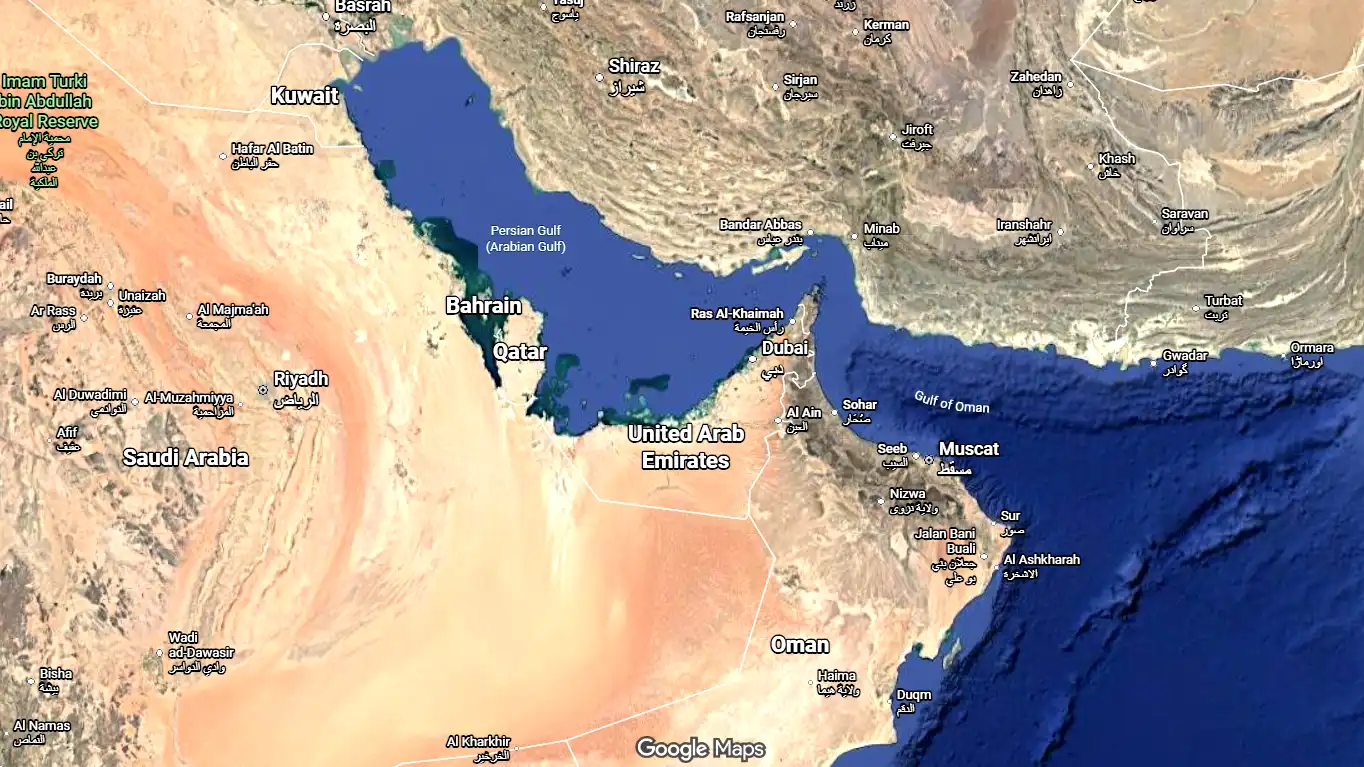
Geography makes these two ports incredibly valuable right now. Fujairah connects directly to the Abu Dhabi Crude Oil Pipeline. This vital piece of infrastructure transports between 1.5 million and 1.8 million barrels of oil per day directly from inland oil fields to the Gulf of Oman. By using this route, energy companies bypass the dangerous Strait of Hormuz entirely and keep oil flowing to global markets.
However, Iran recently reminded the entire region that these eastern ports remain vulnerable targets. On Monday, Iranian drones struck the Fujairah Oil Industry Zone. The attack injured three workers and sparked a fire at one of the most critical energy sites in the UAE. This incident followed an earlier drone strike on March 14 that caused fires and forced operators to pause oil-loading activities temporarily.
Adding to the tension, Iran’s Revolutionary Guards Navy released a new map hours before Monday’s strike. The map appears to extend Iranian maritime control along the eastern coastline of the UAE, swallowing both ports. While shipping sources quickly confirmed that port operations remained unaffected, Tehran delivered a very clear and threatening message to its neighbors.
UAE leaders constantly emphasize that keeping the Strait of Hormuz open to navigation remains a top priority. Government officials warn they will respond to any attacks against their nation. Energy Minister Suhail Al Mazrouei firmly stated at a recent logistics forum that no foreign country holds the right to threaten supply routes or disrupt international trade.
Despite the direct drone strikes, port traffic stays robust. Data analysts tracked vessel movements and confirmed that ships continue to arrive at a steady pace. Earlier this week, Khor Fakkan had six container ships at berth while 10 more waited offshore. Fujairah, which has a smaller berthing capacity, serviced two vessels with another standing by. Logistics companies report smooth operations, citing severe congestion as their only real headache. Transport executives point out that these eastern ports are the only direct option for getting cargo into the UAE without enduring lengthy border crossings through Oman or Saudi Arabia.
Other Gulf nations scramble to find their own backup plans. Saudi Arabia enjoys a similar geographical advantage with coastlines on two different seas. The Saudi East-West Pipeline safely transports about 7 million barrels per day to the Red Sea port of Yanbu, entirely bypassing the Strait of Hormuz. However, Iran struck that pipeline and port earlier this spring, proving nowhere is completely safe from the conflict.
Meanwhile, countries like Qatar, Kuwait, and Bahrain face a harsh geographical reality. All their seaports sit behind the closed Strait of Hormuz. These nations must now rely heavily on Khor Fakkan for their seaborne imports, or pay for expensive, delayed overland truck shipments through Saudi Arabia.
Looking ahead, logistics leaders expect the eastern ports to maintain their newfound importance. Belbouab plans to build a permanent inland logistics hub in Al Dhaid, located about 50 kilometers from Khor Fakkan. This massive dry port will span over 100 hectares and feature direct road and rail links to the coast. The Sharjah government and Gulftainer will jointly invest over $100 million in the first phase of this facility to handle general cargo storage and container transshipment. Nobody knows exactly when the vital shipping straits will reopen, but the region continues to build fallback options to keep trade alive.