
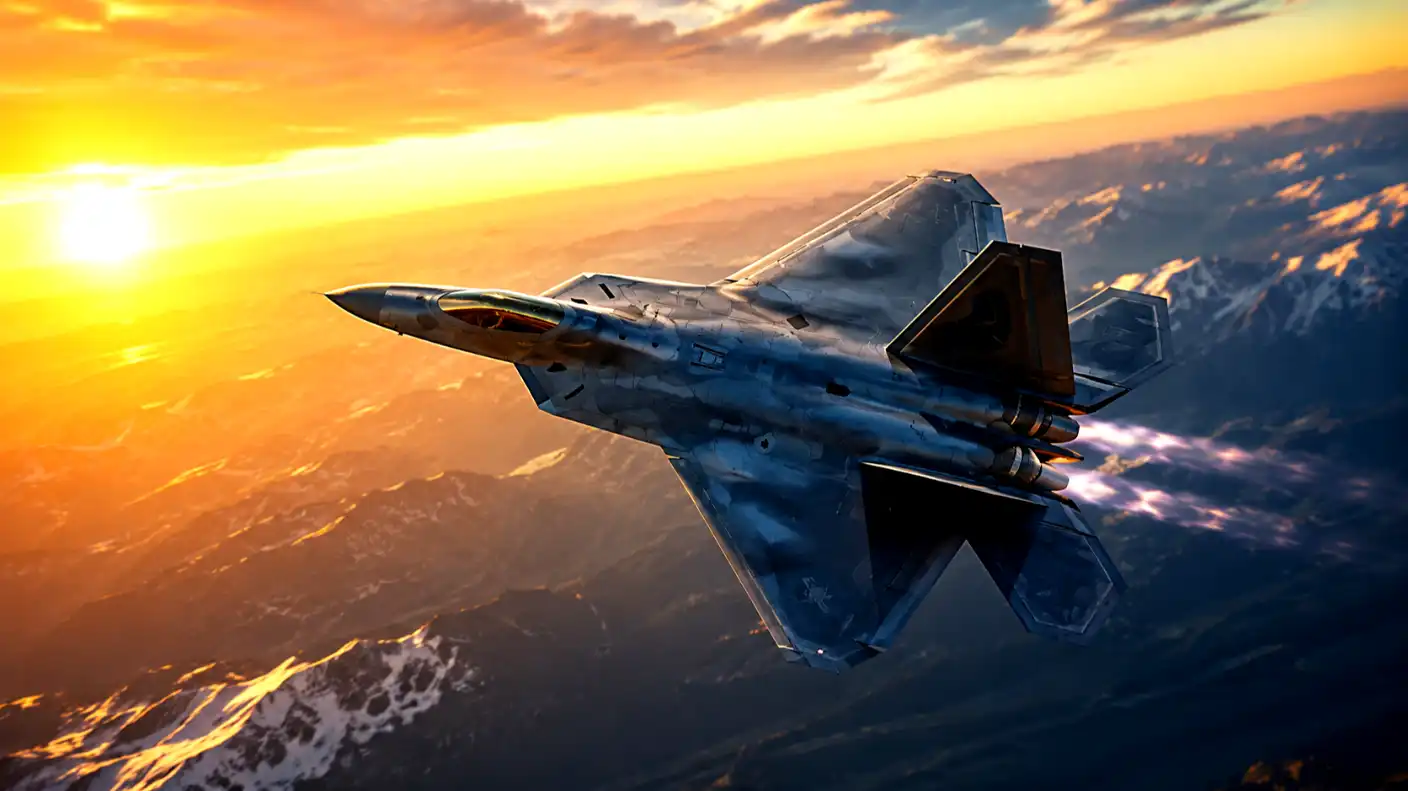
British Prime Minister Keir Starmer and Japanese Prime Minister Sanae Takaichi held critical bilateral talks over the weekend to address deep-seated funding issues threatening their multi-billion-dollar joint military project. The meeting in London came at a tense moment for the Global Combat Air Program, a trilateral initiative with Italy aimed at developing a highly advanced sixth-generation combat aircraft by 2035. While the partnership is a major pillar of cooperation between Europe and Asia, Britain’s ongoing struggle to deliver its promised financial commitments has sparked serious concern in Tokyo. Both leaders recognize that any further delays could derail the development timeline and permanently damage trust among the three allied nations.
The primary source of friction stems from the British government’s failure to finalize its long-term financial commitments to the program. The British defense ministry originally planned to release its comprehensive 10-year defense investment blueprint late last year, which was expected to outline more than £6 billion (around $8 billion USD) in dedicated funding for the new aircraft. However, a fierce spending standoff between the Ministry of Defense and the Treasury repeatedly delayed the announcement. While defense officials have argued that the money is vital for national security, Treasury representatives remain deeply concerned about affordability amid a broader national budget deficit of roughly £28 billion.
Political instability in London has further compounded these diplomatic anxieties. The sudden resignation of British Defense Secretary John Healey just days ago threw the administration into a scramble and added to Japan’s unease. Healey stepped down after a series of intense cabinet disagreements, accusing the prime minister of failing to provide the resources needed to protect the country and support key strategic defense projects. This abrupt departure left the British government temporarily without a clear leadership structure on defense matters, raising serious questions in both Tokyo and Rome about whether the administration is fully capable of meeting its global military agreements.
Japan’s prompt and heavy financial backing stands in stark contrast to the political and budgetary hesitation in London. The Japanese government has treated the program as an absolute priority as it prepares to replace its aging fleet of F-2 fighter jets over the next decade. Tokyo spent over ¥500 billion (roughly $3.2 billion USD) on the initiative during the five-year period ending in March and has already approved another ¥170 billion for the current fiscal year. Japanese defense officials believe they have fully met their obligations and are now pressuring their British counterparts to match their level of financial consistency.
Italy, the third critical partner in the alliance, has also shown significant commitment to keeping the project on track. Earlier this year, the Italian parliament approved a robust funding package worth approximately $10.7 billion to support its domestic defense companies developing the aircraft. Italian aerospace champion Leonardo and other domestic contractors are working alongside Britain’s BAE Systems and Japan’s Heavy Industries to develop the core technologies. With both Rome and Tokyo having officially secured their financial pathways, the burden of proof has fallen entirely on London to show that it is a reliable and stable partner.
The stakes of this defense partnership extend far beyond the procurement of new military hardware. For Japan, the joint aircraft initiative is a cornerstone of its post-pacifist security posture, designed to counter rising military assertiveness in the Indo-Pacific. For Britain, the partnership offers a vital bridge to Asian markets and a way to maintain its domestic aerospace engineering sector, which supports thousands of high-tech manufacturing jobs. If the funding disputes cause the project to fall behind or collapse, both nations would lose a critical tool for long-range deterrence, potentially shifting the balance of power in both Europe and East Asia.
To help balance the tense defense discussions, the two prime ministers also reviewed broader economic and technological initiatives designed to bind their economies closer together. Starmer and Takaichi evaluated the progress of a newly proposed joint council aimed at deepening industrial cooperation between the United Kingdom and Japan. This cooperative body will focus on securing stable supply chains for critical minerals, which are highly vulnerable to trade controls. The council will also oversee joint research in high-priority fields, including artificial intelligence, autonomous drones, semiconductor manufacturing, quantum technology, and offshore wind energy.
Takaichi’s visit to London is part of a broader, high-profile European diplomatic tour aimed at strengthening ties ahead of the annual Group of Seven summit in France. Following her talks with the British prime minister, the Japanese leader is scheduled to travel to Rome on Monday to hold similar discussions with Italian Prime Minister Giorgia Meloni. From there, both leaders will proceed to the alpine resort town of Evian for the three-day G7 summit, where leaders will discuss urgent issues, including securing stable energy resources amid ongoing global conflicts and maintaining support for Ukraine.
Despite the mounting pressure, the British government has tried to project confidence and calm its allies’ nerves. Ahead of the Sunday meeting, government representatives released a statement reaffirming the country’s absolute commitment to the joint aircraft initiative. Officials insisted that the temporary delays in releasing the defense investment plan do not mean that the government is backing away from the project. However, without specific, legally binding funding figures, these verbal assurances are unlikely to completely satisfy Japanese negotiators, who have hinted that they need concrete financial actions rather than warm political rhetoric.
As both leaders wrap up their initial meetings, the future of the joint military aircraft remains uncertain. The British prime minister faces a difficult balancing act: he must satisfy his international partners by committing billions of pounds to a highly complex military project, while simultaneously managing a severe domestic cash shortage and public skepticism. Until London can resolve its internal cabinet disputes and deliver a fully funded defense plan, the relationship with its key allies in Tokyo and Rome will remain under heavy strain, leaving one of the world’s most ambitious military programs hanging in a state of delicate suspension.