

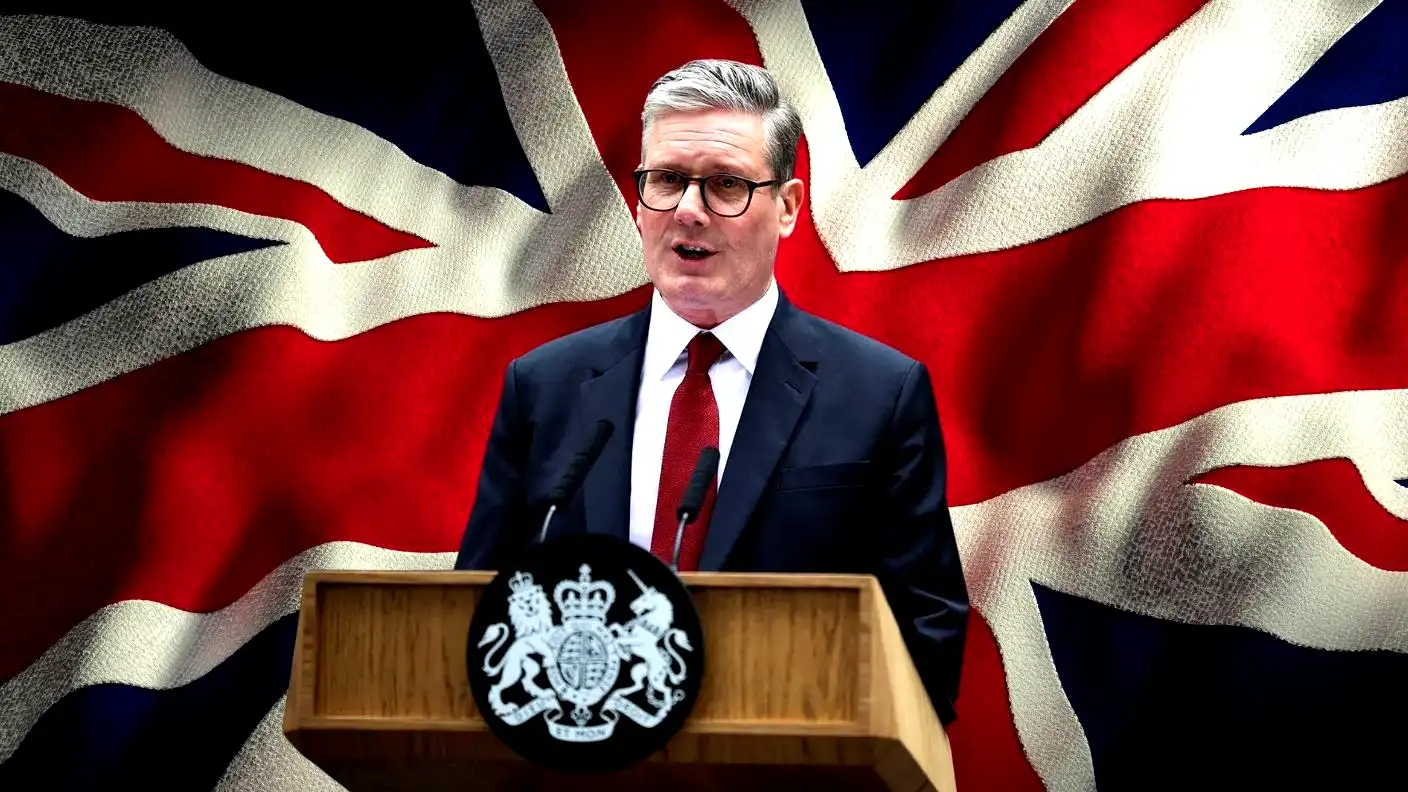
The British government has committed to publishing its long-awaited military spending roadmap before Western leaders assemble next month. British Prime Minister Keir Starmer personally assured NATO Secretary General Mark Rutte over the weekend that his administration will release the comprehensive national Defense Investment Plan before the alliance’s major summit begins on July 7 in Ankara, Turkey. The strategic document, which has faced severe delays since last year, aims to outline exactly how the country will fund and deploy its military resources to counter escalating global threats. The announcement comes at a highly sensitive time for the government as it navigates intense internal budget debates and pressure from international allies.
During a high-level phone call, the prime minister and the NATO chief discussed the urgent need for Western allies to strengthen their collective capabilities. Both leaders agreed that, in the face of rapidly evolving security threats across Europe and the Middle East, allied countries must deliver military support much more quickly. The secretary general welcomed the British leader’s renewed commitment to boosting military spending, calling it a vital contribution to the security of the transatlantic alliance. The conversation highlighted a shared understanding that modern conflicts require swift logistical cooperation and deeply integrated defense systems rather than delayed promises.
The sudden diplomatic push follows a major political shock inside the British government. Just days ago, the nation’s defense secretary, John Healey, resigned from his cabinet post in protest. In his resignation statement, the outgoing minister accused the administration of failing to allocate enough funding to protect the country from modern threats. He argued that the current financial plans do not match the gravity of the deteriorating global security environment. This high-profile departure threw the administration into damage-control mode, forcing the prime minister to accelerate the publication of the national military strategy to reassure the public and international allies.
At the heart of the debate is how the country will fund the ambitious military capabilities outlined in its recent Strategic Defense Review. The government expects the forthcoming investment blueprint to authorize a massive boost to the military budget, with insiders estimating the increase at over £18 billion (roughly $23 billion USD). This new funding will support critical areas, including advanced drone technology, naval modernization, and artificial intelligence for battlefield coordination. While the prime minister insists this represents a historic step up in military funding, critics argue that persistent delays have left key programs underfunded and vulnerable during a dangerous geopolitical period.
The long delay in publishing the spending plan stems from an intense standoff within the British cabinet over national finances. Chancellor of the Exchequer Rachel Reeves and other Treasury officials have repeatedly raised concerns that a sudden surge in military spending is unaffordable given the country’s tight fiscal situation. The Treasury has pushed for a more gradual increase, arguing that public services and economic stability must remain priorities. This fiscal tug-of-war reportedly led to proposals to scale back or stretch out the funding over several years, creating a deep rift with defense chiefs who demand immediate investments to prepare for potential conflicts.
Despite the intense cabinet debates, the prime minister reiterated his long-term goal of raising national military spending to 3% of gross domestic product during the next parliament. Currently, the nation spends around 2.3% of its economic output on defense, which is above the minimum NATO target of 2% but below what many military strategists believe is necessary. Achieving the 3% target would require tens of billions of pounds in additional funding annually, representing a major shift in national priorities. Government officials maintain that national security remains their absolute top priority, even as they make painful decisions to balance the broader national budget.
Adding to the urgency, the head of the British armed forces recently issued a stark warning about the state of global security. The Chief of the Defense Staff described the current era as the most dangerous period the nation has faced in several decades. He warned that the military must prepare not just for brief skirmishes, but for longer, more sustained conflicts that will test the country’s industrial capacity and societal resilience. This sobering assessment has strengthened the argument of those who believe that delaying military modernization is a risk the nation simply cannot afford to take.
The upcoming July summit in Ankara is shaping up to be a critical event for the future of the NATO alliance. With member states facing persistent security challenges along the eastern flank and maritime disruptions in major trade corridors, leaders are under pressure to show unity and resolve. By presenting a finalized, fully funded military plan before the summit starts, the British government hopes to position itself as a leading European power within the alliance. Moving early allows the administration to avoid difficult questions from other heads of state regarding its commitment to shared defense obligations.
The publication of the spending plan will also bring much-needed clarity to the domestic defense industry, which employs hundreds of thousands of highly skilled workers across the country. Major defense contractors have warned that ongoing budget uncertainty makes it extremely difficult to plan long-term manufacturing projects or invest in new technologies. A clear funding commitment will allow companies to scale up production of essential munitions and equipment, addressing critical shortages that have hampered military readiness. Industry leaders hope the new plan will prioritize domestic manufacturing to boost the economy while strengthening national security.
Ultimately, the success of the new military strategy will depend on whether the government can successfully balance its geopolitical ambitions with its economic realities. While the promise to publish the plan before the July summit has temporarily calmed political waters, the deeper financial questions remain unresolved. The prime minister must convince both a skeptical domestic audience and demanding international allies that his administration can protect the nation without destabilizing the national economy. As the clock ticks down to the Ankara summit, all eyes will be on London to see if this long-delayed blueprint can truly deliver the security the nation needs.















