

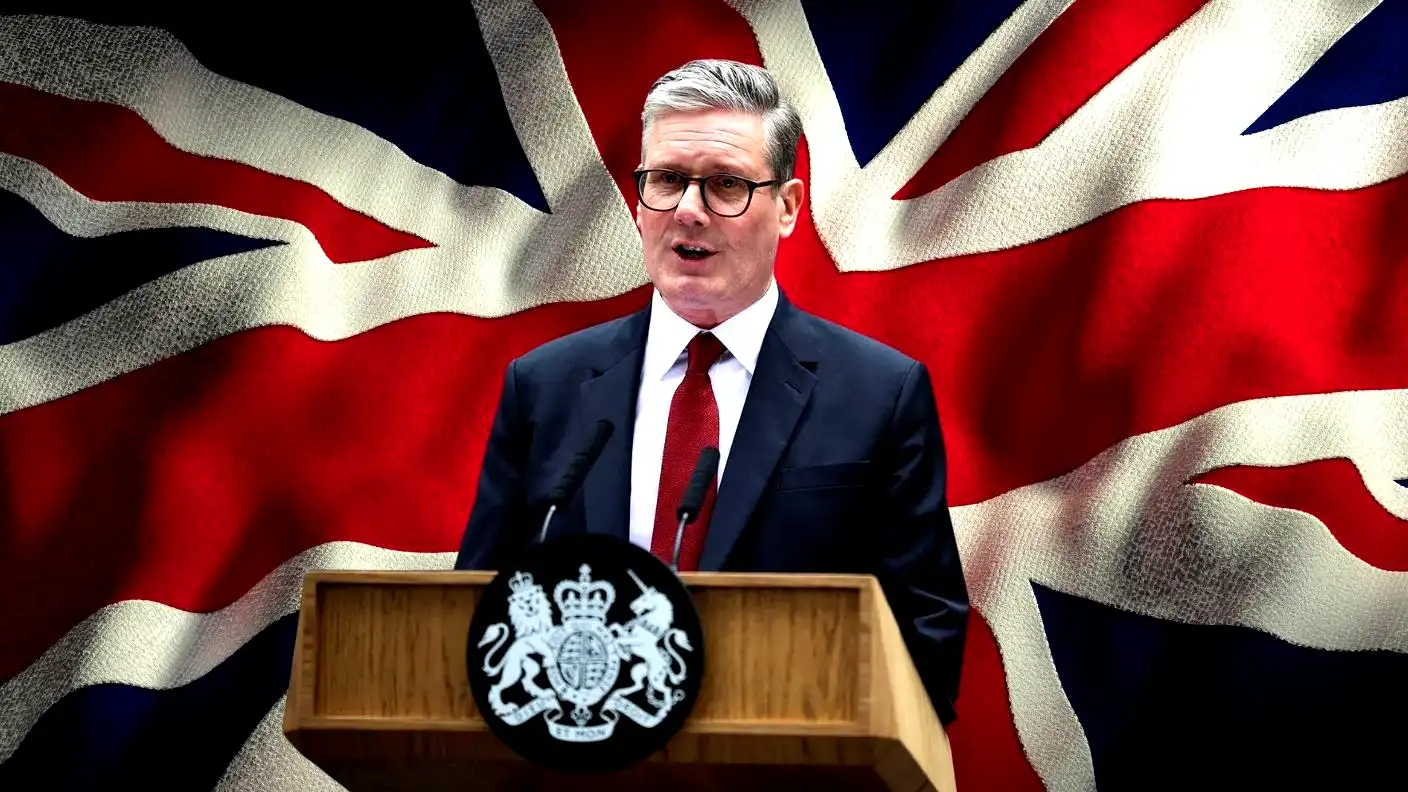
The British government has plunged into a severe political crisis that threatens to dismantle the authority of Prime Minister Sir Keir Starmer completely. On Friday, June 12, 2026, Starmer vowed to fight to stay in office after the sudden, coordinated resignations of his top defense ministers left his leadership dangerously weakened. The high-profile walkout began on Thursday when Defense Secretary John Healey unexpectedly quit, accusing the prime minister of putting the country’s security at risk. Hours later, Armed Forces Minister Al Carns also resigned, dealing a devastating blow to the administration’s credibility amid rising global conflict and economic strain.
At the heart of the political storm lies a bitter, months-long dispute over the government’s long-delayed Defense Investment Plan (DIP), which was originally due for release in late 2025. The Ministry of Defense and the Treasury, led by Chancellor Rachel Reeves, engaged in tense negotiations over how to fund the country’s military modernization program. Healey and other defense chiefs argued that Britain’s armed forces require massive, immediate funding to counter emerging global threats, most notably those posed by Russia and the ongoing war in the Middle East. However, the Treasury refused to grant the full funding request, citing severe constraints on the national budget.
In his blistering resignation letter, Healey revealed that the funding plan settled on by the Prime Minister falls well short of what the nation needs. Under the proposed DIP, the UK’s defense spending would only rise to 2.68% of gross domestic product (GDP) by 2030. Healey insisted that the country must commit to a firm target of 3.0% by 2030 to protect national security. By comparison, Germany has already committed to spending 3.7% of its GDP on defense by 2030 to bolster its own military capabilities. The former defense secretary warned that accepting the lower target would make Britain less safe and leave the armed forces dangerously unprepared.
The political headache grew significantly worse for Starmer on Thursday evening when Armed Forces Minister Al Carns joined the walkout. Carns, a highly decorated former Royal Marines officer, resigned alongside several of Healey’s parliamentary aides, including Pamela Nash. In a scathing resignation letter, Carns criticized the government’s current funding priorities, stating that the proposed investment plan is simply not designed to address the threats the country faces. He warned that the government’s current policies are failing to provide troops with the necessary equipment to conduct operations safely, bluntly declaring that Britain needs a new way of governing immediately.
In a rapid effort to shore up his crumbling cabinet, Starmer quickly appointed security minister Dan Jarvis as the new Defense Secretary on Thursday evening. Jarvis, a highly respected former paratrooper officer, brings extensive military experience to the role, having served multiple tours in Iraq and Afghanistan. Following the appointment, Starmer defended his decisions on military funding, insisting that he has made the difficult choices necessary to ensure the country remains safe. The prime minister argued that his government is still delivering a substantial increase in military spending while protecting the national economy from irresponsible borrowing.
Despite the quick appointment of Jarvis, political analysts believe that Starmer’s premiership has been pushed to the brink of collapse. The twin defense minister resignations have emboldened internal rivals already plotting to challenge the prime minister’s leadership. Former Health Secretary Wes Streeting, who resigned from his cabinet post last month following disastrous local election results, has already indicated his willingness to run in any upcoming leadership contest. Additionally, Greater Manchester Mayor Andy Burnham is actively attempting to return to frontline politics through a crucial parliamentary by-election scheduled for June 18, 2026, which could launch his own leadership bid.
The defense spending dispute has drawn scrutiny from military experts, who point to recent operational failures as proof that Britain’s armed forces are severely depleted. Earlier this year, in March, the Royal Navy faced immense public embarrassment when it was unable to immediately deploy an advanced warship to Cyprus during escalating maritime tensions in the Persian Gulf involving Iran. The HMS Dragon, which was supposed to secure critical shipping lanes, took more than ten days to reach the theater, while other vessels remained unavailable due to maintenance. This operational failure exposed the severe consequences of years of military underfunding and delayed procurement.
The fundamental crisis facing the British government is how to fund a massive military buildup when there is virtually no spare money in the national budget. The prolonged dispute over military funding has cost the defense sector more than $1 billion due to delayed procurement contracts. At the same time, the proposed budget changes would reallocate nearly 1.5% of total public services spending to the armed forces. However, Starmer faces intense resistance from Labour backbenchers who are strongly opposed to cutting welfare programs or public healthcare to fund the military. This spending bind means that any future prime minister will face the same difficult trade-offs.
The cabinet rebellion has weakened Starmer’s authority at an exceptionally sensitive moment on the global stage. The Prime Minister is scheduled to travel to France next week to meet with G7 allies, preceding a high-stakes NATO summit in Ankara, Turkey, in July. This summit will also see the attendance of U.S. President Donald Trump, who has consistently pressured European allies to increase their military spending. Starmer now faces the embarrassing prospect of explaining to international allies why his own defense secretary resigned because the UK was not spending enough on national security, leaving Britain’s international standing in jeopardy.















