
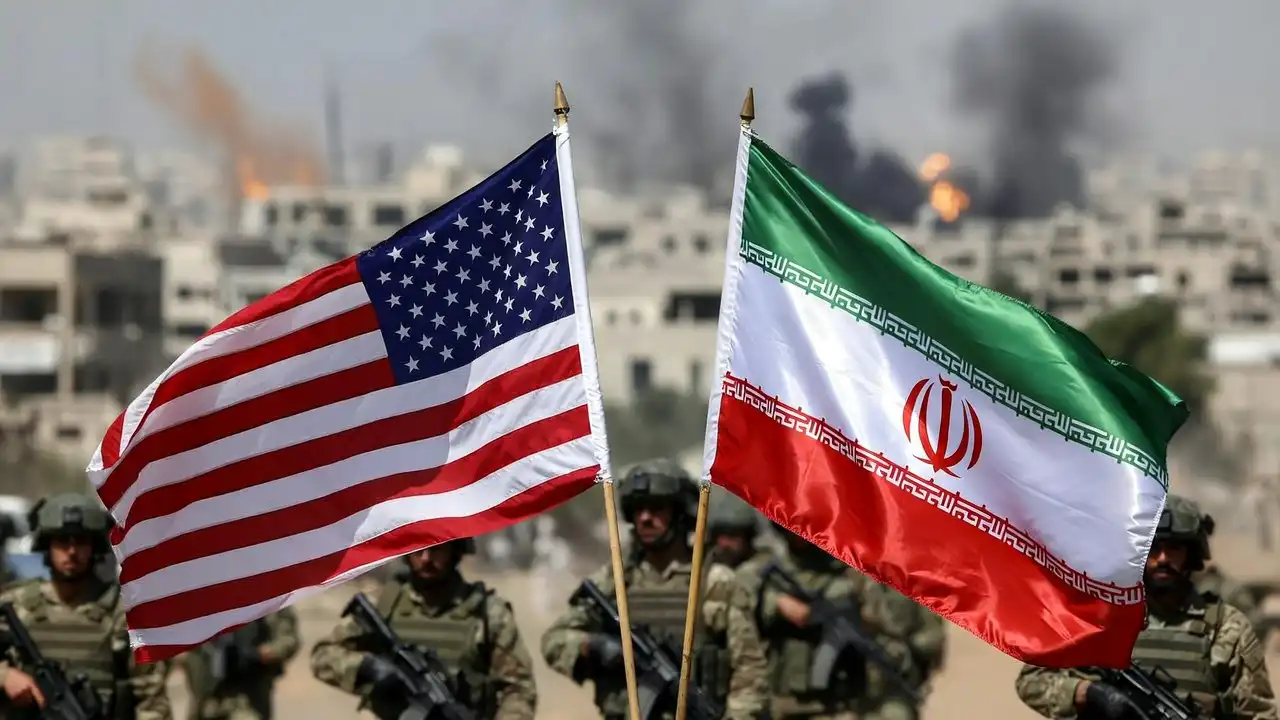
Iranian leaders are currently reviewing new messages from the United States. Pakistani mediators delivered these diplomatic notes to Tehran earlier this week. Esmaeil Baqaei serves as the spokesman for the Ministry of Foreign Affairs in Iran. He confirmed on Thursday that his government is carefully reviewing the details. Baqaei noted that Iran has not reached a final decision and has not sent a reply back to Washington yet. This communication occurs as both nations seek a peaceful way out of their current military conflict.
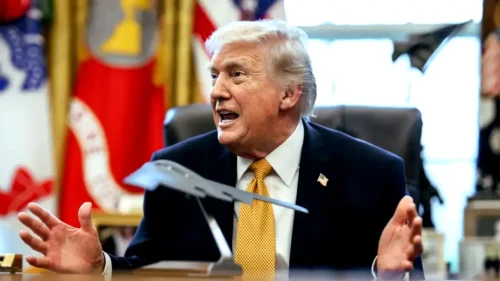
News broke recently that Washington and Tehran might sign a 14-point memorandum of understanding. This agreement aims to end the harsh 2-month war that shocked the Middle East. It also sets the stage for future talks about Iran’s nuclear program. President Donald Trump addressed the situation at the White House on Thursday. He told reporters that the Iranian government really wants to make a deal right now. He added that his team will wait and see if Iran agrees to terms that satisfy the United States.
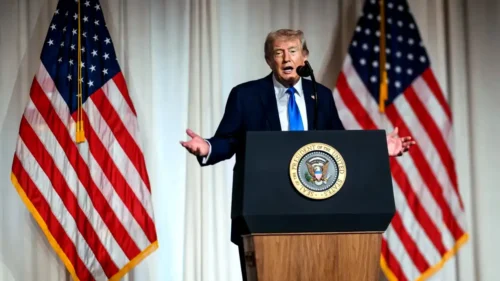
Trump also talked about the war on Wednesday night during a lively political event. He traveled to Georgia to support Burt Jones, a Republican candidate running for governor. During his campaign speech, Trump confidently predicted that the military conflict would end very quickly. His hopeful comments provided some relief to people watching the global crisis unfold. Many business leaders desperately want the war to end because it is heavily impacting energy supplies worldwide.
Financial markets reacted strongly to these mixed political signals. On Wednesday, stock prices jumped higher, and crude oil prices dropped by several dollars per barrel. Investors felt happy about the news of a possible peace agreement. However, the good mood changed extremely fast. By Thursday afternoon, stock markets fell back into the red, dropping around 1.5% in just a few hours. Oil prices started climbing again because energy traders realized the situation remained highly uncertain.
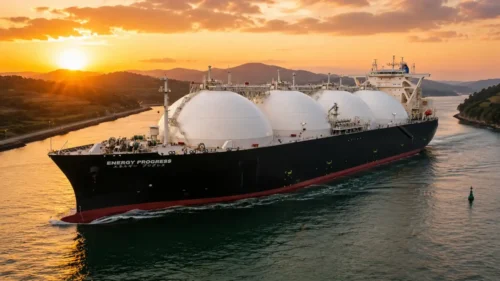
The biggest problem right now involves the Strait of Hormuz. This narrow waterway is the most important route for global oil shipping. The war completely choked off this route over the past 8 weeks. Because commercial ships cannot pass safely, the world faces a massive energy supply shock. Over $1 billion worth of crude oil is currently trapped in the Persian Gulf. These massive cargo ships wait daily for a safe way out to the open ocean.
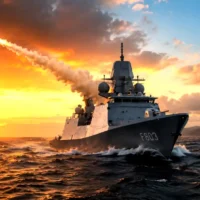
To fix the shipping problem, the United States military launched Project Freedom on Monday. This military operation aimed to guide stranded commercial ships safely out of the Persian Gulf. The US Navy planned to protect these huge vessels from Iranian threats in the narrow strait. Surprisingly, Trump stopped the mission just 24 hours later. On Tuesday, he paused Project Freedom and told the public that peace negotiations with Iran were making excellent progress.
Behind the scenes, military politics caused a major headache for the American naval operation. Saudi Arabia, a top ally in the region, felt very angry about Project Freedom. The Saudi government did not like the sudden US military move near its borders. In response, Saudi leaders temporarily blocked the United States military from using Saudi bases. They also quickly closed their airspace to American military flight operations, completely stalling the naval support plan.
The tension with regional allies did not last long. The Wall Street Journal reported on Thursday afternoon that Saudi Arabia and Kuwait decided to lift those strict military restrictions. With the bases and airspace open again, the Trump administration wants to bring Project Freedom back to life. Military planners hope to restart the naval escort operation in the next 3 days to get commercial ships moving safely.
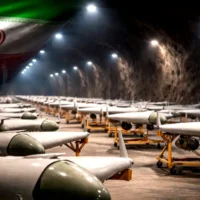
Iran quickly pushed back against the US naval plans. Mohsen Rezaee, a senior official in the Iranian government, warned that Tehran will absolutely not allow the United States to reopen the Strait of Hormuz using military force. He appeared on the state broadcaster, Press TV, to call the American strategy a completely unrealistic plan. Rezaee made it clear that Iran controls the local waters and will fight back against any unapproved ship movements.
Rezaee also spoke directly about the rumored 14-point peace proposal from Washington. He stated firmly that any final agreement must give Iran real, tangible benefits. He firmly rejected the idea of accepting a flamboyant gesture or empty promises from the United States. Iranian leaders want hard guarantees and concrete changes, likely involving sanctions relief, before they agree to end the war and clear the important strait.
Diplomats on all sides now face a very tight deadline. The global economy desperately needs normal oil shipments to resume without delay. While Pakistani mediators continue to carry messages back and forth, military forces remain on high alert in the Persian Gulf. If negotiations fail this weekend, the US Navy might forcibly advance Project Freedom. Such an aggressive move could spark a fierce and deadly battle directly inside the Strait of Hormuz.
For now, the entire world watches and waits for Iran to send an official reply to the 14-point memo. The temporary pause on fighting holds steady today, but trust remains extremely low between Washington and Tehran. Both governments know that one wrong move in the coming days could ruin the peace talks and drag the Middle East into a much larger disaster. The next step depends entirely on how Iranian leaders respond to the messages currently on their desks.