
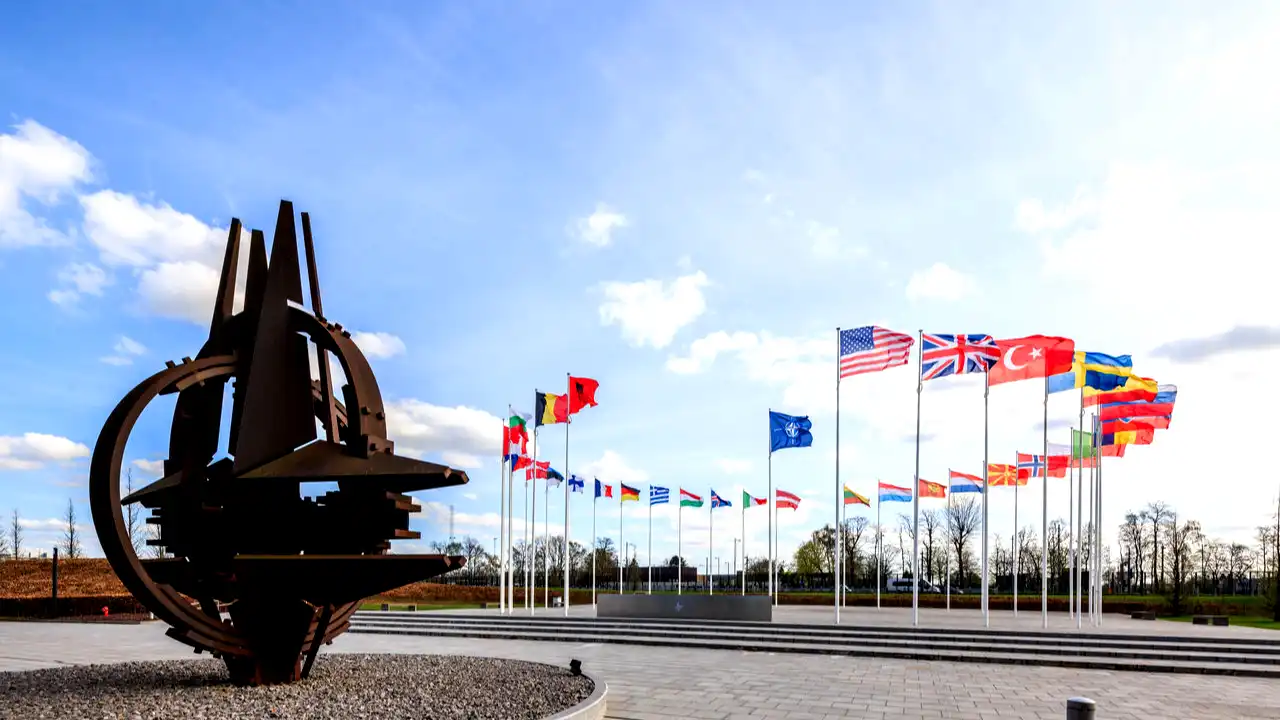
US Defense Secretary Pete Hegseth delivered a blistering speech on Sunday, castigating European allies over their sluggish defense spending and their refusal to support the US war in Iran. Meanwhile, NATO Secretary General Mark Rutte took the stage to reassure anxious Asian partners that the military alliance remains fully committed to security in the Asia-Pacific region, exposing a deep transatlantic rift.
Speaking to a crowded room of global defense chiefs in Singapore, Hegseth made Washington’s impatience clear. He warned that the United States cannot continue to fund everyone’s national security indefinitely using its massive $1.5 trillion defense budget. He demanded that European nations immediately take on primary responsibility for their own conventional military defense, warning that the Trump administration has already initiated a broader European fallback.
The threat of an American military retreat has already become a reality. The Pentagon recently briefed NATO officials on plans to pull out crucial conventional military assets from Europe. The United States plans to withdraw all of its submarines from NATO assignments, cut its fighter-jet contributions by exactly 33 percent, and halve its strategic-bomber pledges. This historic conventional fallback forces European nations to build up their own militaries at an incredibly rapid pace to deter potential Russian aggression.
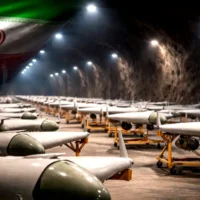
This severe troop reduction follows months of escalating political tension over the ongoing war in the Middle East. Trump has expressed deep frustration with several European allies, including Germany, Spain, and Italy, for refusing to let the U.S. military use local bases to launch attacks during the three-month-old conflict with Iran. The US-Israeli war on Iran has cost the US taxpayers nearly $29 billion so far, and Trump has warned his allies that they must stand with Washington or lose American protection. The president expects his allies to contribute to the war effort, arguing that securing global trade benefits everyone.
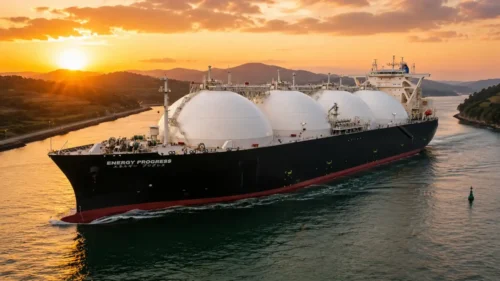
The ongoing blockade of the Strait of Hormuz has created the worst global energy crisis in history. Because this vital shipping corridor handles roughly 20 percent of the world’s daily oil supply, the blockade has driven global energy prices sky-high. This fuel crisis has cost the global shipping industry over $1.5 billion every single week and pushed consumer inflation in Europe up by an extra 1.5 percent. This economic pain has put immense pressure on European leaders to resolve the conflict.
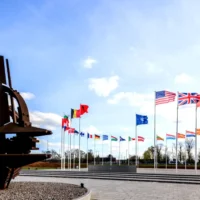
NATO Secretary General Mark Rutte strongly defended European allies during his own address at the Singapore summit. He pushed back against Hegseth’s harsh criticism, noting that European nations are already making massive investments in their military budgets. Of the 32 member countries, exactly 22 are on track to meet or exceed the 2% of GDP defense spending target this year, spending a combined $380 billion on defense to take over conventional duties from the US. He noted that this represents the largest and fastest military buildup in Europe since the end of the Cold War, proving that the continent is ready to carry its own weight.
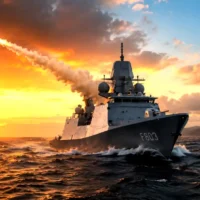
Rutte also worked hard to reassure anxious partners in the Asia-Pacific region, including Japan, South Korea, Australia, and New Zealand. He stressed that European and Asian security are inextricably linked, especially since China continues to support Russia’s military campaign. To prove their commitment to global security, several European nations, including the Netherlands, Germany, Britain, and France, are preparing a post-war multinational mission to clear mines and protect the Strait of Hormuz once a ceasefire takes effect. This joint naval operation shows that European powers are willing to spend their own money to secure international shipping lanes in Asia and the Middle East.
Under Prime Minister Sanae Takaichi, Japan has also accelerated its own defense spending to counter regional threats from China and North Korea. Takaichi succeeded in raising Japan’s defense budget to exactly 2% of the country’s gross domestic product, representing an annual spend of roughly 43 trillion yen. Japan is also cooperating with South Korea, which recently made history by sending its advanced ROKS Dosan Ahn Chang-ho submarine across the Pacific to Canada to participate in joint exercises.
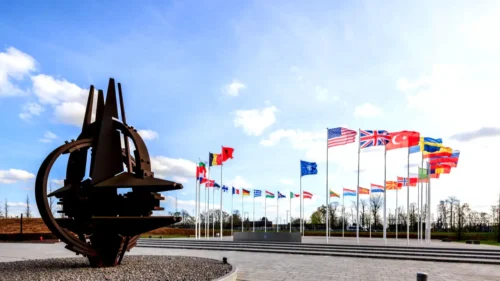
Ultimately, the high-stakes debates at the Shangri-La Dialogue prove that the global security landscape is undergoing a permanent, historic shift. The era of predictable, unlimited American security guarantees has officially come to an end. As the July NATO summit in Ankara, Turkey, approaches, European and Asian allies must make difficult choices to secure their own survival, proving they can defend their national interests with the Americans if possible, but without them if necessary.