

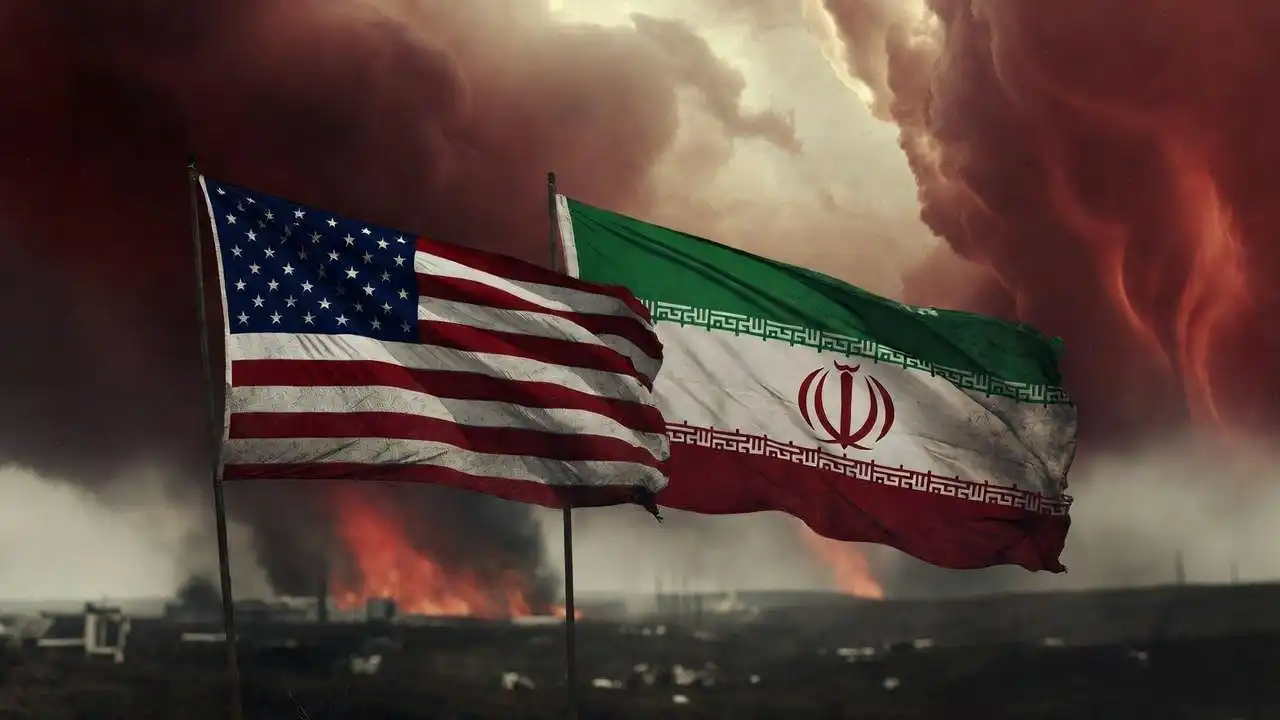
The diplomatic effort to end the most devastating war in the modern history of the Middle East has reached an extraordinary, historic milestone. Pakistani Prime Minister Shehbaz Sharif announced that the United States and Iran had successfully finalized the written terms of a comprehensive peace treaty. Writing on his social media account, Sharif confirmed that as the primary mediator, Pakistan is now working closely with both Washington and Tehran to coordinate the next procedural steps. The unexpected announcement has injected a powerful wave of optimism into global energy markets and financial trading rooms, bringing the three-month-old war closer to a peaceful resolution than ever before.
In his public announcement, Prime Minister Sharif explicitly addressed and dismissed ongoing attempts to derail the delicate diplomatic process. He revealed that Pakistan’s intelligence and diplomatic corps are fully aware of an incessant, coordinated misinformation campaign being waged by unnamed regional actors who want to sabotage the peace deal. Sharif urged international observers to set aside the political noise, confirming that both nations have successfully locked in a final agreed text of the peace agreement. He emphasized that after months of intense, behind-the-scenes mediation, peace has never been closer to reality than it is now.
The landmark agreement, which negotiators have named the “Islamabad Memorandum of Understanding” in honor of the Pakistani capital where the peace talks began, contains 14 detailed articles. This temporary memorandum of understanding will remain valid for exactly 60 days once signed, serving as a critical transitional framework during which the two nations must negotiate a permanent, legally binding treaty. The core of the proposed deal requires Iran to immediately dismantle its advanced nuclear development program and hand over or destroy its entire stockpile of highly enriched uranium, permanently eliminating its path toward a nuclear weapon.
In exchange for these massive nuclear concessions, the United States has agreed to lift its aggressive naval blockade on Iranian ports, which has been in place since April 13, 2026. This ongoing economic pressure campaign has severely disrupted international trade, resulting in regional economies losing over $1 billion in port revenues. At the same time, the maritime disruptions have shaved nearly 1.5% off the region’s overall trade GDP. Under the terms of the new agreement, Iran must immediately and permanently reopen the strategic Strait of Hormuz to unrestricted commercial shipping without imposing any tolls. The contract mandates a full return to pre-war global shipping volumes within 30 days of the signing ceremony.
To prevent any backsliding or bad-faith negotiations, the Trump administration has structured the agreement as a strictly performance-based deal. Senior U.S. officials confirmed on Friday that Tehran will receive absolutely no upfront cash or release of frozen assets simply for signing the memorandum or attending a diplomatic meeting. U.S. Vice President J.D. Vance posted a pointed message on social media to clarify this hardline stance, reassuring American allies that economic benefits will flow to Iran only after international inspectors verify that Tehran has fully met its nuclear dismantlement obligations, ensuring that U.S. and allied security concerns remain prioritized.
The official confirmation from Pakistan’s prime minister coincided with public, highly coordinated signals of optimism from both American and Iranian leadership. On Friday, Iranian Foreign Minister Abbas Araghchi posted a hopeful message on his personal social media account, stating that a diplomatic settlement with the United States has never been closer. In a remarkable show of shared intent, U.S. President Donald Trump immediately reshared a screenshot of Araghchi’s post on his own Truth Social platform, validating the diplomatic progress. This public alignment has dramatically calmed global markets, causing Brent crude prices to slide to a two-month low as investors anticipate a swift end to the regional shipping crisis.
The impending breakthrough represents a stunning turnaround for a region that spent the week on a knife-edge of total military escalation. The war, which began on February 28, 2026, had settled into a fragile, Pakistan-brokered ceasefire on April 8, but in recent days the truce has teetered on the brink of collapse. Following the downing of a U.S. Apache helicopter, the two nations traded heavy direct airstrikes, culminating in Trump’s threat to launch massive bombings on Thursday night. However, Trump abruptly called off those planned strikes after receiving confirmation that the Iranian leadership had approved the final draft text of the peace agreement, choosing diplomacy over further military escalation.
While the announcement has sparked widespread relief across most international capitals, it has received a cool, deeply skeptical reception in Israel. On Friday, Israeli Defense Minister Israel Katz stated that while Jerusalem appreciates President Trump’s firm commitment to preventing Iran from obtaining nuclear weapons, Israel will not withdraw its forces from security zones in southern Lebanon. Prime Minister Benjamin Netanyahu’s office also sought to distance itself from the emerging agreement, warning that Iran’s regional proxies must still face complete containment. This cautious stance highlights the immense challenges of maintaining the ceasefire on secondary fronts, even as the primary conflict between Washington and Tehran nears its end.
As both nations finalize the logistics for the historic signing ceremony, which is expected to take place in Europe over the weekend or early next week, the world stands at a critical historical crossroads. The successful completion of the final agreed text proves that even the most volatile, deep-seated geopolitical conflicts can find a peaceful resolution through persistent, disciplined mediation. For the global economy, the reopening of the Strait of Hormuz will mark a massive step toward recovery. Until both leaders put pen to paper and officially execute the Islamabad Memorandum, the Middle East will remain in high suspense, waiting to see whether this historic draft can finally deliver lasting peace.















