

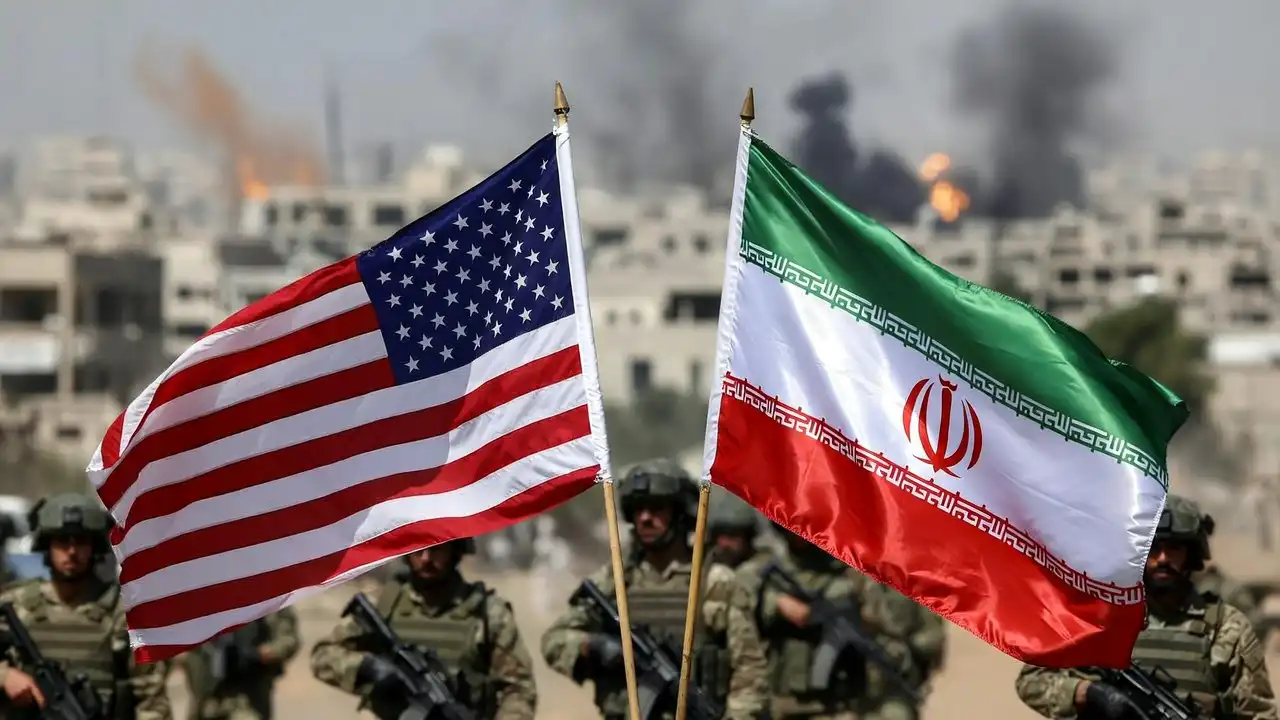
Hopes for a historic peace agreement in the Middle East grew significantly after U.S. President Donald Trump announced that Washington and Tehran are on the verge of signing a landmark settlement. Speaking to reporters at the White House, Trump claimed that both nations could sign a formal treaty as soon as this weekend in Europe, effectively ending the devastating three-month-old war. This potential breakthrough represents the most significant diplomatic advancement since the conflict erupted on February 28, raising expectations for an end to a war that has killed thousands of people, disrupted global supply chains, and triggered a severe international energy crisis.
During a press conference at the White House on Thursday, Trump expressed immense satisfaction with the progress of the negotiations, declaring that the two nations had reached a great settlement. The president asserted that the strategic Strait of Hormuz will officially reopen to international shipping the moment both sides sign the document. Trump added that Vice President JD Vance plans to travel to Europe over the weekend to represent the United States at the signing ceremony. When asked whether Iran’s Supreme Leader, Ayatollah Mojtaba Khamenei, had personally approved the agreement, Trump responded that he understood the answer was yes, signaling confidence in the deal’s finality.
While Trump projected absolute confidence about the imminent signing, the Iranian government adopted a much more cautious and guarded stance. On Friday, Iranian Foreign Ministry spokesperson Esmaeil Baghaei confirmed that negotiators had successfully finalized a large portion of the draft agreement, but insisted that Iran would not compromise on its red lines. Baghaei stated that the relevant decision-making bodies in Tehran are currently reviewing the text and have not yet reached a conclusion. This public pushback suggests that, while the two nations have made substantial progress, the Iranian leadership is still evaluating the agreement’s strategic and political costs.
According to diplomatic briefs and leaks from negotiating teams, the proposed memorandum of understanding outlines a phased framework to gradually de-escalate the conflict. The emerging agreement calls for an immediate, 60-day extension of the temporary ceasefire that both sides originally brokered on April 8, 2026. During this two-month cooling-off period, the United States and Iran will launch serious, structured negotiations to address Iran’s nuclear program and its enriched uranium stockpile. In exchange for these nuclear concessions, the U.S. will lift its aggressive naval blockade on Iranian ports, and Iran will allow commercial vessels to transit the Strait of Hormuz freely without tolls.
The prospect of a U.S.-led peace deal with Iran has triggered immediate political reactions from key regional allies, most notably Israel. On Thursday night, Israeli Prime Minister Benjamin Netanyahu held a high-stakes phone call with President Trump to discuss the terms of the proposed memorandum of understanding. Following the call, Netanyahu’s office released an official statement confirming that, although Israel is not a party to the agreement, the Prime Minister greatly appreciates Trump’s firm commitment. Netanyahu emphasized that any final treaty must include the complete dismantling of Iran’s enrichment infrastructure, strict limits on missile production, and the total cessation of Iran’s support for its regional proxies.
Despite Tehran’s cautious rhetoric, global financial markets reacted with immense enthusiasm to the prospects for peace. The sudden peace hopes triggered a robust market rally, causing global equities to jump while Brent crude slid nearly 1.5% to hit a two-month low. Asian stocks joined the global surge on Friday morning, with major indexes in Tokyo, Seoul, and Hong Kong posting strong gains as investors anticipated a swift resolution to the shipping crisis. Energy traders immediately unwound their war risk premiums, betting that the reopening of the Strait of Hormuz would quickly restore the flow of millions of barrels of oil to the global market, easing inflation pressures.
While diplomats work behind the scenes to finalize the treaty, physical tensions remain incredibly high along the waters of the Persian Gulf. On Friday, U.S. naval forces in the region reported shooting down two Iranian one-way attack drones after Tehran reportedly attempted to strike commercial ships transiting the Strait of Hormuz. Simultaneously, Iranian state-run media reported that its naval forces temporarily stopped a commercial tanker from transiting the waterway. These localized clashes prove that the situation on the water remains extremely volatile, with both militaries maintaining a high state of alert as they await their respective leaders’ signing of the peace accord.
The urgent push to finalize the peace agreement reflects the staggering economic damage that the three-month war has inflicted on the global economy. The closure of the Strait of Hormuz—which normally handles 20% of the world’s daily oil supply—has cost international shipping networks over $1 billion in rising insurance, security, and logistical expenses. This prolonged disruption has forced major shipping lines to reroute their vessels completely, driving up food and fuel costs worldwide. For both Washington and Tehran, the immense financial strain of the conflict has made a return to the negotiating table a matter of national survival, overriding previous ideological disputes.
As the international community prepares for a potentially historic weekend of diplomacy, the Middle East stands at a critical crossroads. President Trump’s sudden decision to call off scheduled airstrikes and claim an imminent peace deal represents a high-stakes political gamble that could either end the war or expose the limits of his unilateral diplomacy. If the two nations successfully sign the memorandum of understanding in Europe, it will mark one of the most significant diplomatic achievements of the decade. Until both sides put pen to paper and officially reopen the Strait of Hormuz, the world will remain in suspense, hoping for peace yet prepared for another round of conflict.















