

Diplomatic talks between the United States and Iran remain unresolved as both sides struggle to agree on major financial and security demands. Meanwhile, the military front exploded on Sunday as Israeli ground forces captured the historic 900-year-old Beaufort Castle in southern Lebanon. This marked one of the most significant military advances against the militant group Hezbollah since the April ceasefire began, threatening to derail the fragile regional peace.
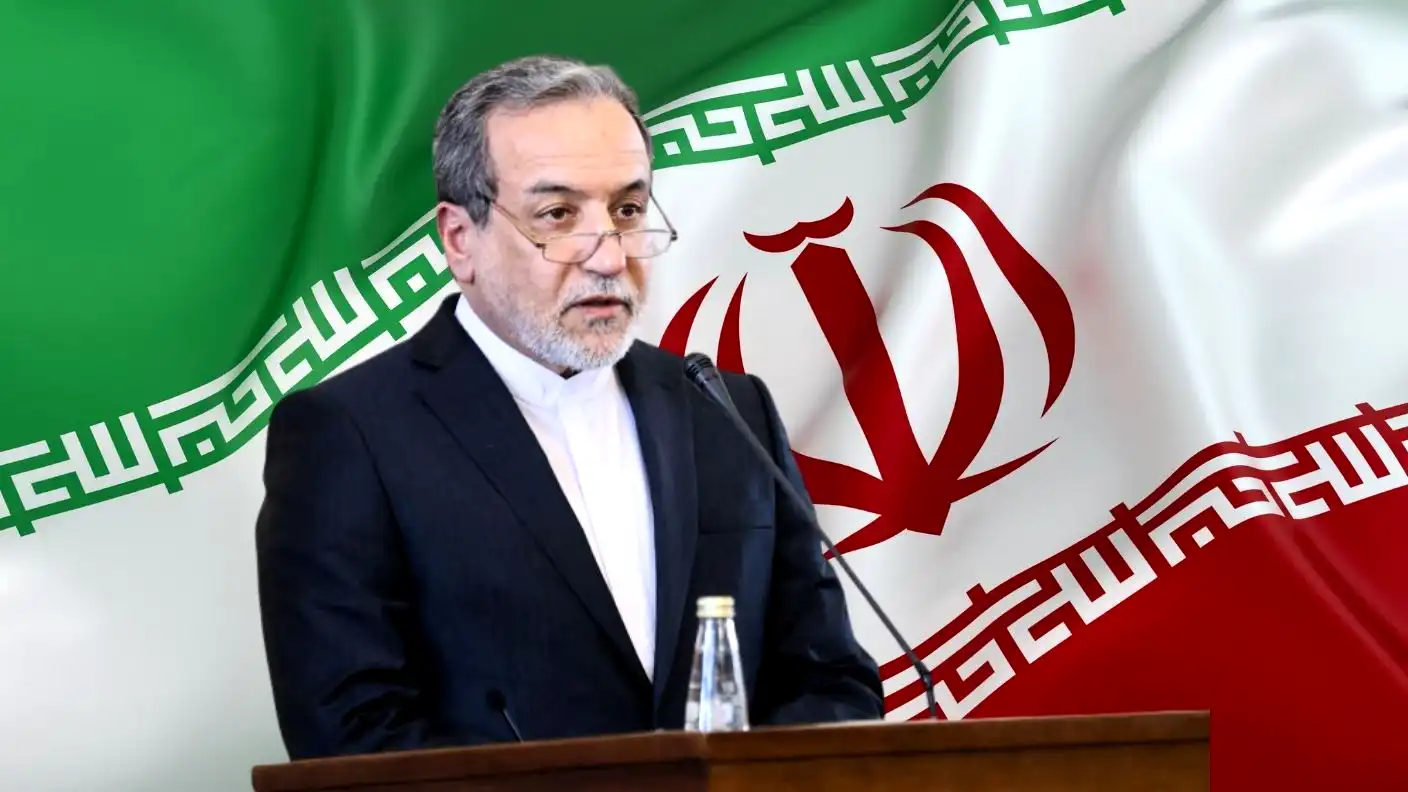
On the diplomatic front, Iranian Foreign Minister Abbas Araqchi confirmed to state media on Sunday that message exchanges with the United States are still ongoing. However, Araqchi cautioned the public against reading too much into unconfirmed media reports and speculation. He warned that nobody can judge the negotiations until they achieve a clear and concrete result.
Iran’s chief negotiator, Mohammad Bagher Qalibaf, echoed this highly cautious tone. He stated firmly that Tehran will absolutely reject any final agreement until the United States fully secures Iran’s national rights. Qalibaf told reporters that Iran places no trust in the verbal promises of its enemies, emphasizing that only objective, tangible results matter in these high-stakes discussions.
This lack of trust has created massive, multi-billion-dollar roadblocks in the peace negotiations. According to Al Jazeera reports on Sunday, the central sticking points include Iran’s demands for the immediate release of its frozen foreign assets and complete sanctions relief for its oil and petrochemical sectors. Most controversially, Iran demands that the United States help fund a massive $300 billion reconstruction program to repair the extensive war damage. Washington flatly rejects these terms, insisting that any economic relief must be delivered gradually and be tied directly to Iran’s real-world performance.
As the diplomats argue, the Strait of Hormuz remains a highly dangerous and volatile flashpoint for global energy markets. The Iranian military recently reasserted its de facto control over the narrow waterway, warning that all foreign commercial and military vessels must strictly comply with its transit rules. The United States military fought back against this control on Sunday, disabling a Gambia-flagged cargo ship that attempted to sail toward an Iranian port. Tehran quickly accused Washington of actively undermining diplomacy by continuing its naval blockade. This maritime standoff keeps the region on the brink of another full-scale explosion.
Despite rising military tensions, global energy markets showed brief optimism. Brent crude oil, trading under the LCO ticker, closed down by 1.77% on Friday, dropping $1.66 to settle at $92.05 a barrel. Financial analysts explain that investors are still desperately hoping the two superpowers will eventually agree to a 60-day extension of the ceasefire to reopen the shipping lanes. However, they warn that transit through the strait will likely remain highly politicized for years. Analysts estimate that the continuing blockade has cost global shipping networks over $10 billion since the war began, and resolving it is absolutely vital.
While the oil markets fluctuated, a fierce ground battle raged in southern Lebanon. The Israeli military launched a major offensive to seize the strategic 900-year-old Beaufort Castle and the surrounding Beaufort Ridge. The army confirmed that its forces successfully took control of the historic high ground to dismantle key Hezbollah infrastructure. Commanders claimed the militant group used the high ridge to launch hundreds of rockets at towns in northern Israel. One Israeli soldier died during the intense close-quarters combat.
The Israeli army did not stop at the castle. Ground forces expanded their operations, crossing past the Litani River and pushing directly toward the city of Nabatieh, a major regional stronghold for Hezbollah. Lebanon’s Prime Minister, Nawaf Salam, reacted with extreme anger, publicly accusing Israel of pursuing a brutal, scorched-earth policy in the country’s south. He pleaded with global powers to broker a swift and immediate ceasefire to save civilian lives.
The human cost of the parallel war in Lebanon has reached tragic proportions. The Lebanese Health Ministry released updated casualty figures, confirming that Israeli attacks have killed at least 3,371 people and wounded more than 10,000 others since the fighting escalated on March 2. In response to the heavy strikes, Hezbollah launched multiple drone and missile attacks on Israeli military positions. The constant rocket fire forced Israeli authorities to tighten security restrictions along the northern border, closing schools and banning public gatherings in several local communities. Families on both sides of the border are praying for peace, but the heavy fighting makes any quick resolution seem highly unlikely.















