

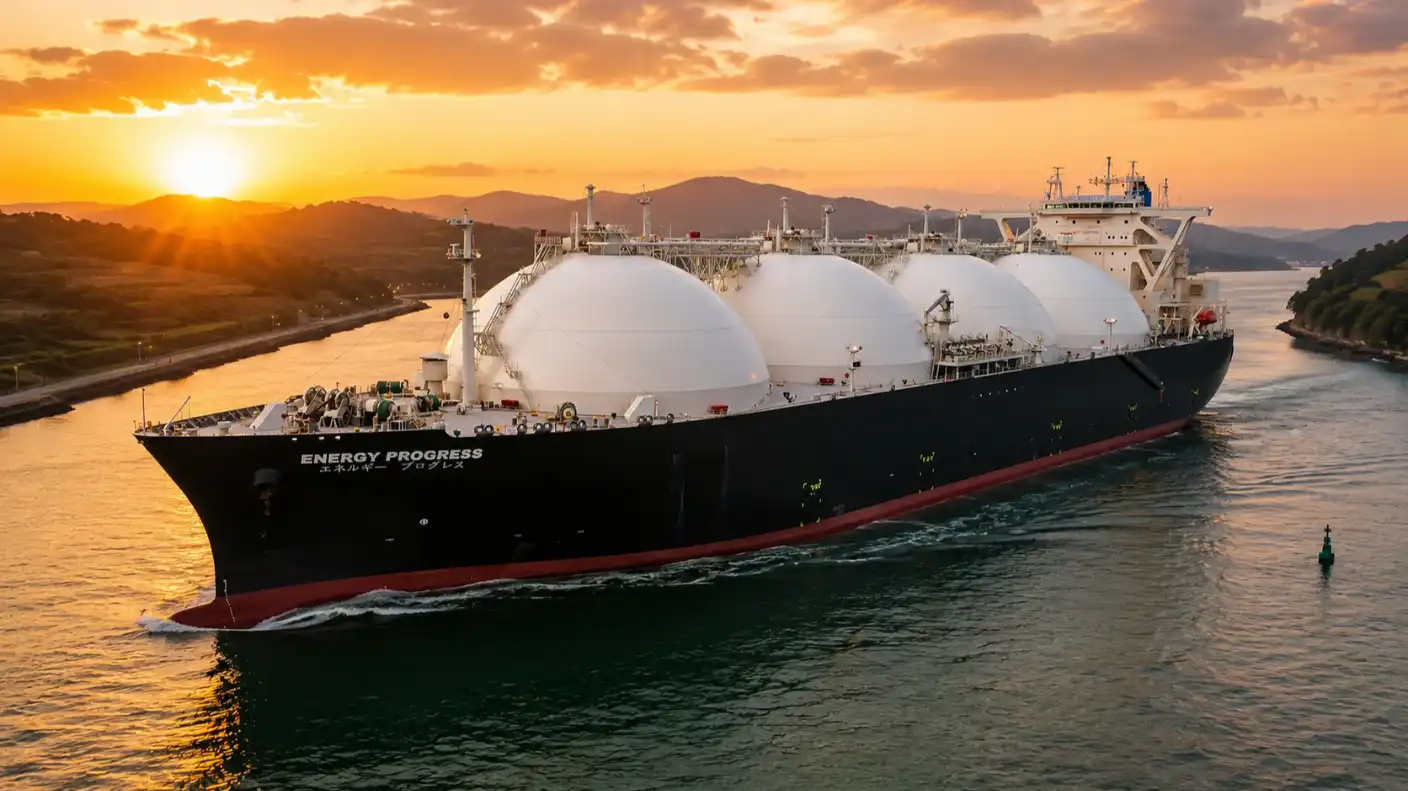
Europe’s ambitious plans to permanently replace Russian fossil fuels with American liquefied natural gas are running into serious operational roadblocks on the ground. On Thursday, June 11, 2026, a prominent Greek energy executive revealed that securing long-term US LNG supply deals has become increasingly difficult for European buyers. Alexandros Exarchou, the head of the Greek energy consortium Atlantic-Sea LNG Trade, warned that a combination of extreme market fragmentation and high geopolitical volatility is discouraging local buyers from signing the multi-decade contracts needed to secure the continent’s energy future. The warning highlights a widening gap between Europe’s political desire for energy independence and the hard financial realities of global commodity markets.
The ongoing negotiations center on a massive, highly strategic energy project designed to reshape the flow of natural gas across Southeastern and Central Europe. Atlantic-Sea LNG Trade—a joint venture owned 60% by the construction giant Aktor Group and 40% by Greece’s state-backed gas supplier DEPA Commercial—is currently attempting to secure up to 15 billion cubic meters (bcm) of American liquefied natural gas annually. Under the proposed 20-year agreements, the consortium plans to import the super-chilled fuel through Greek terminals and pump it northward through a network of pipelines known as the Vertical Gas Corridor, serving buyers in Bulgaria, Romania, Hungary, Moldova, Austria, and Ukraine.
However, turning this ambitious energy transit vision into reality is proving exceptionally difficult due to the unique structure of the Southeastern European market. Exarchou explained that highly fragmented, small-scale buyers and sellers who lack the financial capacity to commit to long-term liabilities dominate the region. Unlike massive state utilities in Western Europe, these smaller regional players are highly sensitive to market volatility and fluctuating local demand. This structural hesitation prevents the consortium from securing the firm, multi-year purchase commitments from local buyers that American LNG exporters require before they can sign off on long-term supply contracts.
Despite these immense commercial hurdles, Exarchou urged European governments and regional utilities to lock in long-term American supply agreements immediately. He warned that global energy markets will likely tighten significantly after 2030, as demand from developing economies in Asia continues to surge. If European buyers fail to secure their long-term supply balance, they will face sharply higher costs and severe energy shortages in the next decade. The Greek executive argued that the current market environment offers the best possible window to negotiate competitive prices, warning that waiting too long will leave European consumers hostage to volatile spot markets.
The urgency to secure Atlantic trade routes has also intensified due to severe, ongoing shipping disruptions in the Middle East. The direct military conflict between the United States and Iran has completely closed the strategic Strait of Hormuz, forcing international energy companies to halt LNG transits through the narrow waterway. This global shipping crisis has driven up maritime insurance premiums and triggered a massive shortage of available LNG tankers, adding nearly $1 billion in extra shipping costs to the global supply chain. To bypass these maritime bottlenecks, Europe must rely on direct, short-haul transatlantic shipping lanes, making the U.S.-Greece energy corridor more critical than ever.
To support this massive influx of American fuel, Greece is rapidly transforming its domestic import infrastructure to act as the primary energy gateway for the Balkans. The country currently operates two major liquefied natural gas facilities, including the expanded Revithoussa terminal near Athens, which has secured cargo bookings through 2040. Additionally, the newly operational Alexandroupolis Floating Storage and Regasification Unit (FSRU) has added 5.5 billion cubic meters of annual capacity, representing roughly 1.5% of total European gas imports. To further double northern transit capacity, the consortium plans to build a second FSRU before 2030, though the project will require over $1 billion in infrastructure investments.
This ambitious energy corridor enjoys strong political backing from both Brussels and Washington, as Western allies seek to eliminate Russia’s remaining economic leverage over Europe permanently. Under a trade and security agreement reached during a bilateral summit last year, U.S. President Donald Trump pledged to maximize American LNG exports to the Western Balkans and Ukraine. To translate this political support into concrete commercial deals, a high-level U.S. energy delegation recently traveled to Athens to discuss federal financing options. The American side has expressed a clear desire to invest directly in Greek port infrastructure and pipeline expansions to accelerate the flow of American gas.
As European countries prepare to enforce a full, legally binding ban on Russian gas imports by late 2027, the struggles of the Greek consortium highlight the immense challenges of the green transition. While the newly built infrastructure has successfully turned Greece into a critical regional energy hub, the commercial reality of securing long-term supply contracts remains a steep hurdle. Until regional governments can coordinate their purchasing power and provide state-backed credit guarantees to small buyers, securing a stable, affordable energy balance will remain difficult. For now, Europe must find a way to bridge this gap, or face a painful future of rising energy costs and structural shortages.















