

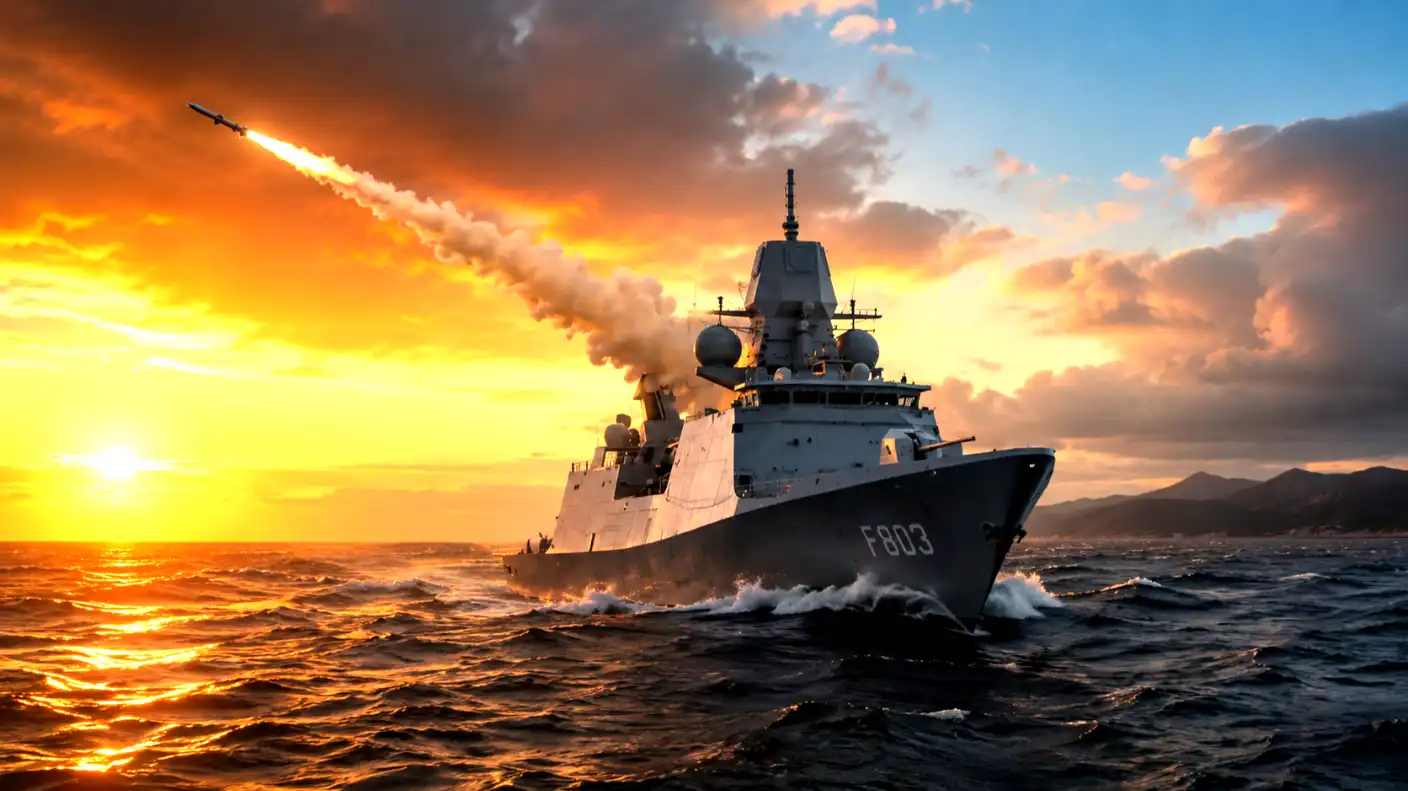
The direct military conflict between the United States and Iran escalated significantly on Saturday, June 6, 2026. American warships and fighter jets launched heavy airstrikes against critical Iranian coastal radar installations along the Strait of Hormuz. This retaliation occurred immediately after US forces shot down four Iranian one-way attack drones in the area. The sudden military exchange threatens to shatter the fragile ceasefire that international negotiators brokered just two months ago. Experts fear that this latest clash could drag the region back into full-scale war, which has already caused massive economic damage and disrupted global energy markets over the last three months.
The trouble began when US military personnel detected the four unmanned aerial vehicles flying toward shipping lanes. US Central Command confirmed that its forces successfully intercepted and destroyed all four one-way attack drones before they could hit any targets. Military officials stated that they believed the drones aimed to strike commercial vessels operating in the region. In direct response to the threat, the US military launched targeted airstrikes on Iranian monitoring facilities on Qeshm Island and in the coastal town of Goruk. These surveillance sites enabled Iran’s military to track shipping traffic and coordinate strikes on commercial vessels transiting the narrow waterway.
Following the US airstrikes, Iran launched a rapid and coordinated military retaliation across the Middle East. The Islamic Revolutionary Guard Corps fired seven ballistic missiles targeting American military bases in Kuwait and Bahrain. The incoming missile strikes triggered air raid sirens across Bahrain, forcing military personnel and residents to seek immediate cover. Meanwhile, Kuwaiti air defense forces went on high alert to help counter the barrage. US Central Command later reported that American and regional air defense systems successfully intercepted six of the seven ballistic missiles, while the final missile failed to reach its target. The US military reported no casualties or significant damage from the attack.
The tension also spilled over into direct attacks on commercial shipping. Iran’s Revolutionary Guard announced that its naval forces fired warning shots and targeted four cargo tankers that attempted to transit the Strait of Hormuz without Iranian permission. This aggressive blockade has successfully choked off one of the world’s most critical maritime choke points. Before this three-month conflict, approximately 20% of global oil transit passed through this vital strait every day. The ongoing naval blockade has forced shipping companies to reroute their vessels, causing oil transport costs to spike and leaving dozens of tankers stuck in nearby waters.
This exchange of fire represents a major setback for diplomatic efforts. The two nations entered a temporary, shaky ceasefire on April 8, 2026, but indirect peace talks have since reached a complete standstill. Tehran demands that the US lift its naval blockade on Iranian ports and grant access to billions of dollars in frozen oil revenues. Specifically, Iranian negotiators want access to over $5 billion in blocked funds and official waivers on crude export sanctions before they agree to any permanent peace terms. The US government, however, refuses to ease sanctions or unlock frozen assets until Iran completely halts its proxy attacks and stops threatening international shipping lanes.
The prolonged conflict has created significant domestic political pressure for US President Donald Trump. With the crucial US midterm elections approaching, the Trump administration faces mounting public frustration over skyrocketing fuel prices nationwide. During a recent television interview on NBC News, Trump sought to reassure voters by stating that the US military has severely weakened Iran’s combat capabilities. He claimed that relentless US and Israeli airstrikes over the past three months have successfully destroyed the vast majority of Iran’s missile and drone manufacturing plants.
Despite these successful strikes, Trump warned that Iran still possesses a significant arsenal of operational weapons. He estimated that the Iranian military currently retains about 21% to 22% of its pre-war missile stockpile. Trump noted that while this represents a massive reduction in Iran’s overall offensive power, the remaining inventory still poses a dangerous threat to US forces and regional allies. The US President expressed hope that economic pressure and military deterrence would eventually force Tehran back to the negotiating table to sign a comprehensive peace treaty.
The ongoing war in Lebanon between Israeli forces and Hezbollah, an Iran-backed militant group, further complicates the situation. The Lebanese government has publicly urged Iran to stop using the country as a battleground, but Tehran continues to supply Hezbollah with weapons and financial aid. Hezbollah leaders recently rejected several US-brokered ceasefire proposals, demanding a complete Israeli withdrawal from southern Lebanon as a prerequisite for peace. This secondary front ensures that the wider regional conflict remains highly volatile, as any escalation in Lebanon quickly triggers military reactions from both the US and Iran.















