

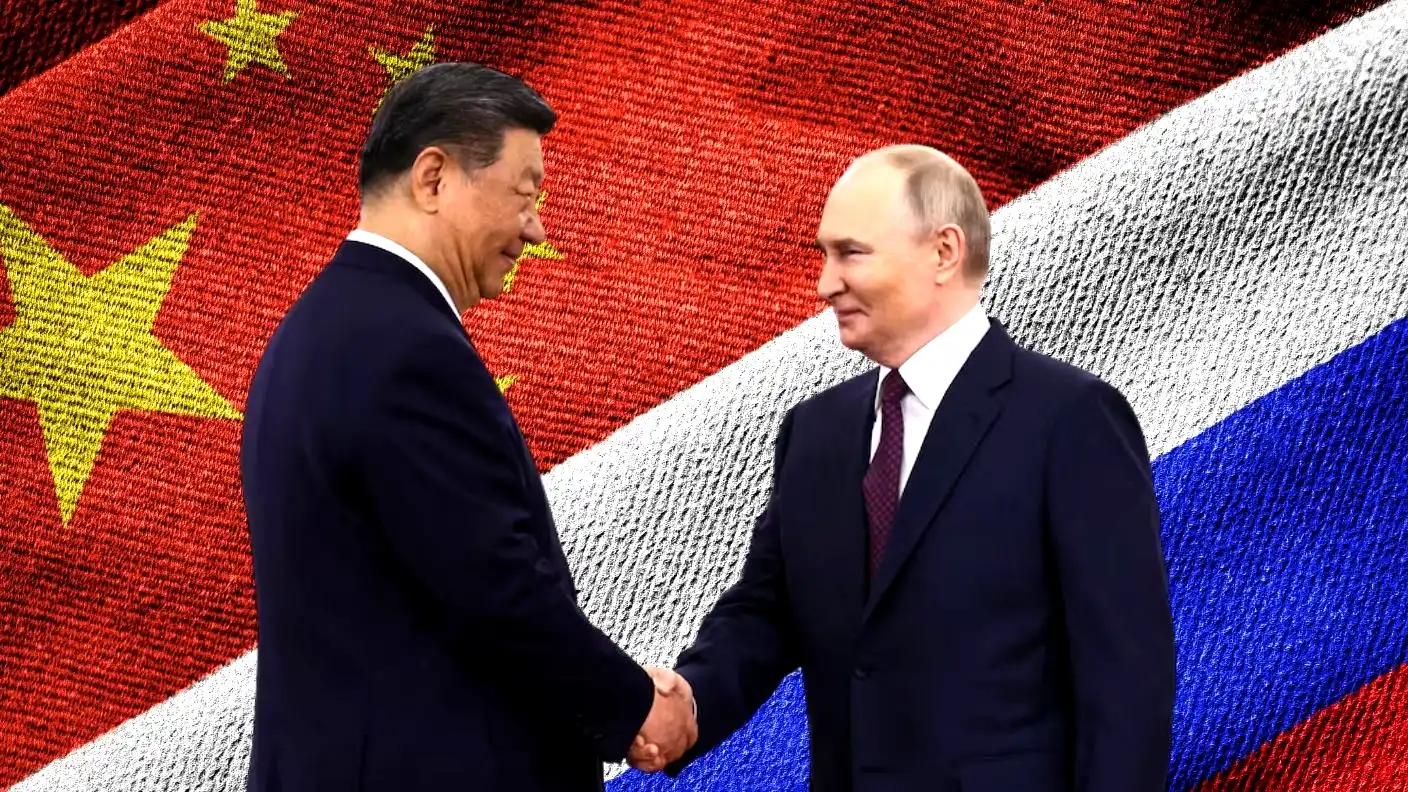
Chinese President Xi Jinping will host Russian President Vladimir Putin for a 2-day summit this week. This marks the 25th official visit to China for the Russian leader. The meeting comes less than a week after Xi hosted United States President Donald Trump. Beijing wants to show the globe that it remains a stable and predictable power while trade wars, military conflicts, and massive energy shortages shake other nations.
Both leaders proudly call their relationship an all-weather partnership. They promise to support each other’s core interests no matter what happens globally. The West constantly demands that Beijing pressure Moscow to stop the ongoing war in Ukraine. Instead, China acts as a neutral peace mediator on the surface while actively signing massive new energy contracts with the Russian government to help them survive Western financial sanctions.
Foreign policy experts see a clear message in the timing of these meetings. Ian Storey, a senior researcher in Singapore, said this summit proves that the strategic partnership between China and Russia forms the absolute foundation of their foreign policy. Storey noted that any American attempt to break this friendship will fail.
Trump visited Beijing just a few days ago. That trip created great photo opportunities but produced almost zero major business contracts. During that visit, Xi told Trump they needed strategic stability between their 2 nations. By hosting these powerful foreign leaders back-to-back, China seeks to appear as the main pillar of global peace. Beijing contrasts its calm diplomatic approach with America’s struggles to contain the wars in Ukraine and Iran.
Western nations hope China will finally force Russia to stop fighting. Storey called this expectation completely unrealistic. He explained that Xi lacks that specific type of influence over Putin. Chinese leaders also know that a Russian defeat in Ukraine would severely weaken Putin and hurt China. Therefore, Beijing will continue to provide Moscow with strong diplomatic protection at the United Nations and send dual-use technology to the Russian military. For its part, China strongly denies sending lethal weapons to either side of the conflict.
Energy supplies dominate the meeting agenda. In September 2025, Russia and China agreed to build the massive Power of Siberia 2 gas pipeline. However, the 2 sides still cannot agree on a final price for the gas. The current conflict in Iran disrupted global energy markets, giving Russia a strong argument to push the pipeline as a safe, long-term energy source for Chinese factories.
Industry insiders expect China to play hardball during the negotiations. Chinese leaders want a broad agreement covering annual supply volumes and seasonal flexibility, but they want to leave the exact price open for now. Negotiators might spend years arguing over the final cost. Beijing also maintains a strict diversification strategy, so it never relies on just 1 country for fuel. Back in 2014, Xi announced a completely different pipeline to bring gas from Turkmenistan, but pricing disputes and border issues have kept that project delayed.
Even without the new gas pipeline, China buys more Russian oil than any other country in the world. Chinese companies purchase this oil through existing pipelines and massive ocean tankers. They ignore Western sanctions and pay for the oil in Chinese yuan rather than the US dollar. State-owned oil refineries also resumed buying Russian oil after the United States granted them a brief sanctions waiver.
The oil flows keep growing every year. In 2025, Russia agreed to send an additional 2.5 million metric tons of oil to China each year via Kazakhstan. Putin told reporters on May 9 that both countries reached a high level of agreement regarding their oil and gas sectors. The Russian leader said he wants to finalize these massive energy contracts before his 2-day visit ends.















