

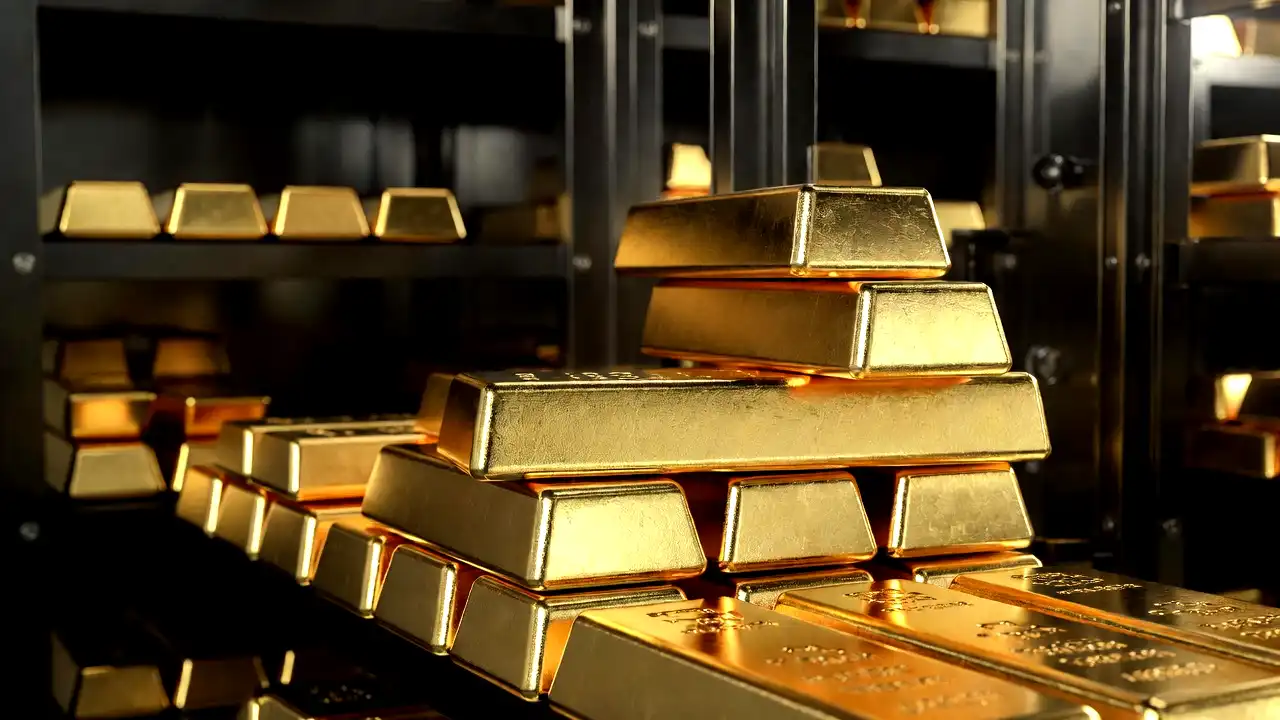
Gold prices took a noticeable hit on Tuesday, wiping out most of the gains investors saw the day before. The precious metal bounced around during early trading before finally dropping to around $4,538 per ounce. Traders around the world are keeping a very close eye on the Middle East, waiting to see if the United States and Iran can finally agree on a ceasefire.
President Donald Trump caused some nervous moments in the financial markets on Monday. He announced that he had officially authorized a fresh wave of military attacks against Iranian targets for this week. However, he quickly told reporters he decided to pause the military operation. He put the strikes on hold because 3 major allies in the Persian Gulf asked him for more time to negotiate a peaceful solution.
Trump explained that the leaders of Qatar, Saudi Arabia, and the United Arab Emirates directly asked him to postpone the military action. These Middle Eastern leaders strongly believe they can strike a new nuclear deal with Iran. They want to craft an agreement that completely satisfies the strict demands of the United States government and prevents a wider regional war.
The pause in fighting comes right after a failed diplomatic attempt over the weekend. On Sunday, Iranian officials handed a new peace proposal to Pakistani diplomats, who then passed the message along to Washington. However, the White House quickly rejected the offer. American officials felt the Iranian proposal lacked any meaningful improvement over past offers.
Beyond the battlefield, heavy economic pressures continue to push gold prices lower. United States Treasury yields currently sit near multiyear highs. The ongoing war keeps global energy prices painfully high, constantly fueling fears of rising inflation. When government bonds pay high interest rates to fight inflation, investors usually pull their money out of gold.
Basic financial rules explain this market behavior perfectly. Physical gold does not pay any monthly interest or stock dividends to its holders. Therefore, when bonds offer massive payouts, gold looks far less attractive. At the same time, a standard gauge measuring the strength of the United States dollar rose by 0.2%. A stronger dollar automatically makes gold much more expensive for buyers using foreign currencies.
Gold has traded inside a very narrow price window recently. During the very first days of the conflict, the precious metal experienced a massive price crash. Investors initially panicked about skyrocketing inflation, but they quickly calmed down when central banks hinted they might cut interest rates to protect economic growth. Since the shooting began, gold bullion has lost almost 14% of its value.
Financial experts believe the bumpy ride will continue for a while. Vasu Menon works as a market strategist at Oversea-Chinese Banking Corporation. He noted that the fast-changing situation in the Middle East will constantly push and pull the market. Menon explained that wild swings in crude oil prices and high bond yields will likely keep heavy pressure on gold over the short term.
Despite the recent price drops, Menon still sees real value in holding the precious metal. He told clients his firm continues to view gold as a highly useful financial shield against global chaos. He pointed out that significant political and economic changes are underway worldwide right now. He expects these global shifts to accelerate over the next few years, which should eventually drive investors back into the safety of gold.
Other precious metals followed gold down the same negative path during the afternoon trading session. By 1:35 p.m. in Singapore, spot gold was 0.7% lower at $4,536.52 per ounce. Silver suffered an even sharper drop, falling 2% to hit $75.80 an ounce. Industrial metals like platinum and palladium also lost ground as traders pulled back their investments across the board.















