

Goldman Sachs secured the top position for the biggest stock market debut in history. The Wall Street Journal reported on Tuesday that SpaceX chose the financial giant to lead its upcoming initial public offering. Elon Musk plans to take his massive space exploration company public very soon. Multiple sources familiar with the matter confirmed the decision to hand Goldman the primary reins.
SpaceX plans to raise a staggering $75 billion from global investors. The company targets a massive total market valuation of $1.75 trillion. This aggressive pricing will easily shatter all previous records, making it the largest stock offering the financial world has ever seen. Wall Street expects the company to finalize the official stock price on June 11.
Morgan Stanley will join Goldman Sachs as a lead banker on the deal. However, Goldman captured the highly coveted lead-left position on the official paperwork. This specific placement means Goldman acts as the primary coordinator, takes the most prestige, and earns the largest share of the banking fees. The public will likely see the first official prospectus document as early as Wednesday.
Several other major financial institutions grabbed a piece of this historic deal. Bank of America, Citigroup, and JPMorgan Chase also earned spots on the preliminary prospectus. Bloomberg and Reuters confirmed these banking roster details shortly after the initial reports. The draft documents listed these additional banks in alphabetical order, highlighting the massive team effort required to manage a transaction of this incredible size.
A $75 billion stock sale completely rewrites the global financial record books. For a clear comparison, the oil giant Saudi Aramco currently holds the record after raising $29.4 billion in 2019. Before that milestone, the Chinese e-commerce company Alibaba raised $25 billion during its 2014 debut. SpaceX wants to completely smash the current record, showing immense confidence in its business model and future growth.
Wall Street banks stand to make an absolute fortune from this single transaction. Financial institutions typically charge a fee of 1.0% to 2.0% of the total money raised during a large public offering. If SpaceX successfully raises the full $75 billion, the participating banks could split over $1.1 billion in pure fees. Goldman Sachs will take the largest slice of that massive cash pie.
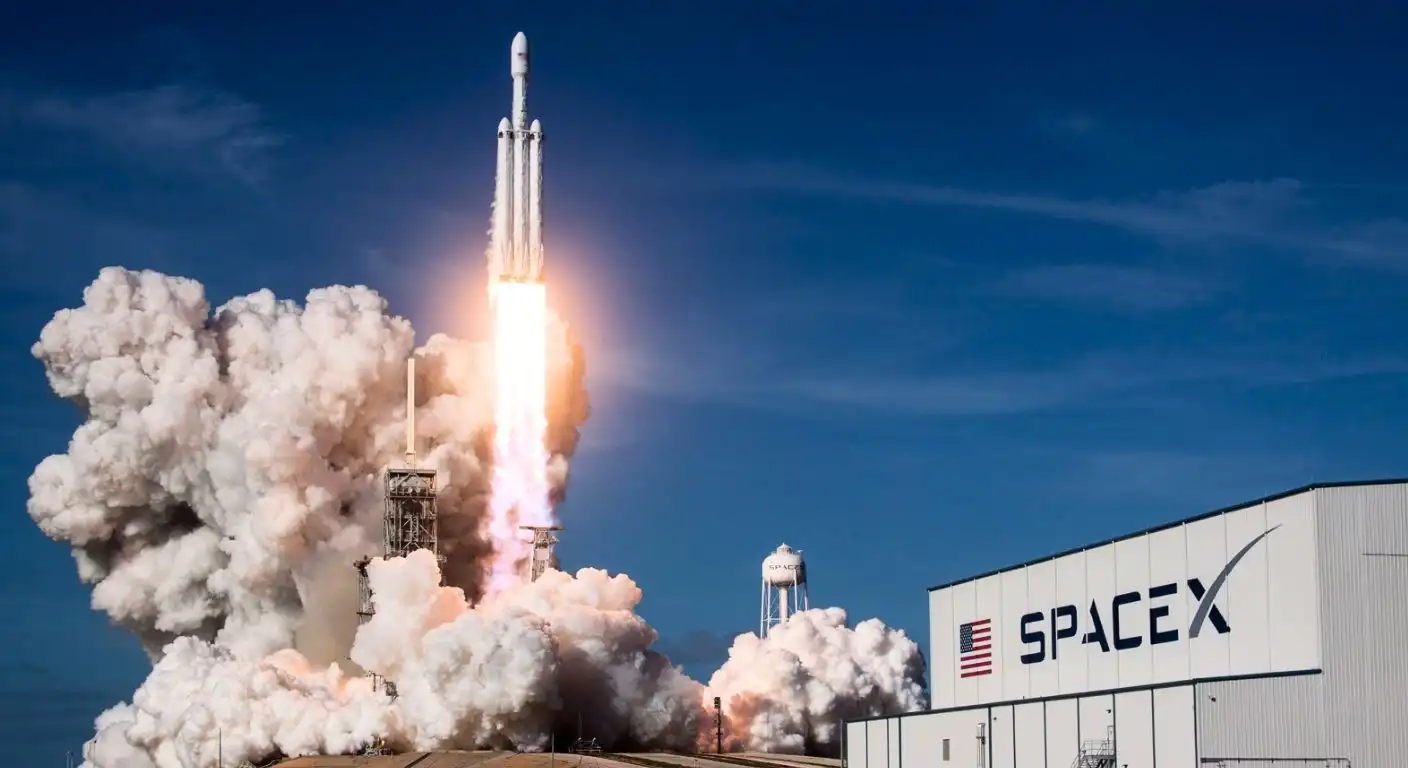
Musk plans to use this new mountain of cash to fund his most ambitious engineering projects. SpaceX currently dominates the global commercial launch market using its reliable Falcon 9 rockets. The company completed nearly 100 orbital missions last year alone. They fly expensive payloads for NASA, rival private companies, and the military. But the next phase of space exploration requires massive new capital investments.
The company currently spends billions developing Starship, the largest and most powerful rocket humans have ever built. Musk eventually wants a fleet of Starships to carry humans and heavy cargo to Mars. Building a self-sustaining human city on another planet requires enormous financial resources. The $75 billion cash injection will directly fuel these deep space missions and accelerate the engineering timeline.
SpaceX also operates Starlink, a rapidly growing network of thousands of small satellites beaming internet back to Earth. Starlink provides high-speed internet connections to remote rural areas, ships at sea, and users in over 70 different countries. Many financial analysts believe Starlink already generates the bulk of the company’s current operating revenue. The new funds will help the company launch up to 10,000 more satellites to expand this lucrative global network.
Wall Street traders anticipate massive demand from retail and institutional investors for the shares. Everyday investors and large mutual fund managers both want a piece of Musk’s expanding space empire. Financial analysts expect extremely heavy trading volumes the exact moment the stock hits the open market. People view SpaceX as the ultimate growth stock, blending aerospace engineering with modern technology.
The countdown to the public listing officially begins now. The lead bankers will spend the next few weeks traveling and pitching the company to the largest institutional investors worldwide. They must convince the global market that a $1.75 trillion price tag makes logical financial sense. If the banking team executes the plan perfectly, June 11 will mark a historic milestone for both Wall Street and the commercial space industry.