

On Wednesday, China’s Ministry of Commerce shared the early results of its latest economic and trade meetings with the United States. Government officials from both nations spent the past two weeks negotiating a path forward. They covered four major flashpoints: import tariffs, agricultural purchases, rare earth export rules, and large commercial aircraft orders. The new agreements signal a major step toward cooling tensions between the two largest economies in the world.
Trade relations between Washington and Beijing have faced serious hurdles over the last few years. Businesses in both countries lost billions of dollars due to sudden policy shifts and massive border taxes. However, the mood shifted recently as leaders recognized the urgent need for economic stability. The two sides finally hammered out a series of compromises that will directly impact over $200 billion in cross-border commerce this year. Financial markets reacted positively to the news, with major stock indexes climbing in both New York and Shanghai.
Tariffs stood at the center of the fierce debate. The Ministry of Commerce revealed that both governments agreed to immediately cancel several planned tax hikes. More importantly, the United States will lower its current 25 percent tariff on $120 billion worth of Chinese consumer goods to just 10 percent. In return, China will slash its retaliatory taxes on American industrial machinery and medical equipment. These changes take effect early next month and will lower prices for everyday shoppers at retail.
Agriculture also played a massive role in the recent discussions. Chinese officials are committed to buying significantly more farm products from the United States. Beijing promised to spend $35 billion on American agricultural goods over the next 18 months. This massive shopping list includes soybeans, corn, pork, and beef. American farmers heavily rely on the Chinese market, and this new commitment provides them with much-needed financial relief after a tough harvest season.
The talks also produced a critical breakthrough regarding rare earth elements. China currently controls nearly 80 percent of the global rare earth supply chain. These minerals power everything from smartphone batteries to advanced military radar systems. Last year, Beijing restricted the export of several vital elements, terrifying global tech companies. Now, the Ministry of Commerce says it will increase rare earth export quotas by 15 percent and speed up the approval process for international buyers.
This policy shift gives American technology and electric-vehicle companies a huge boost. Manufacturers desperately need steady access to materials like gallium and germanium to build computer chips and solar panels. By loosening these export controls, China guarantees that American factories can maintain their production schedules without facing sudden raw material shortages.
Aircraft trade represented the final major pillar of the diplomatic negotiations. For years, Chinese airlines paused their orders for American-made commercial jets, choosing instead to buy from European competitors. That freeze ends today. The Ministry announced that Chinese domestic airlines will purchase 45 new Boeing passenger jets. Industry experts value this massive aerospace deal at roughly $4.8 billion.
This aircraft agreement provides Boeing with a vital lifeline in the Asian market. The American aerospace giant struggled to sell planes in China due to ongoing political friction. Securing these 45 new orders proves that diplomatic relations are finally warming up. The Chinese airlines expect to receive their new jets over the next three years to handle a massive surge in domestic travel.
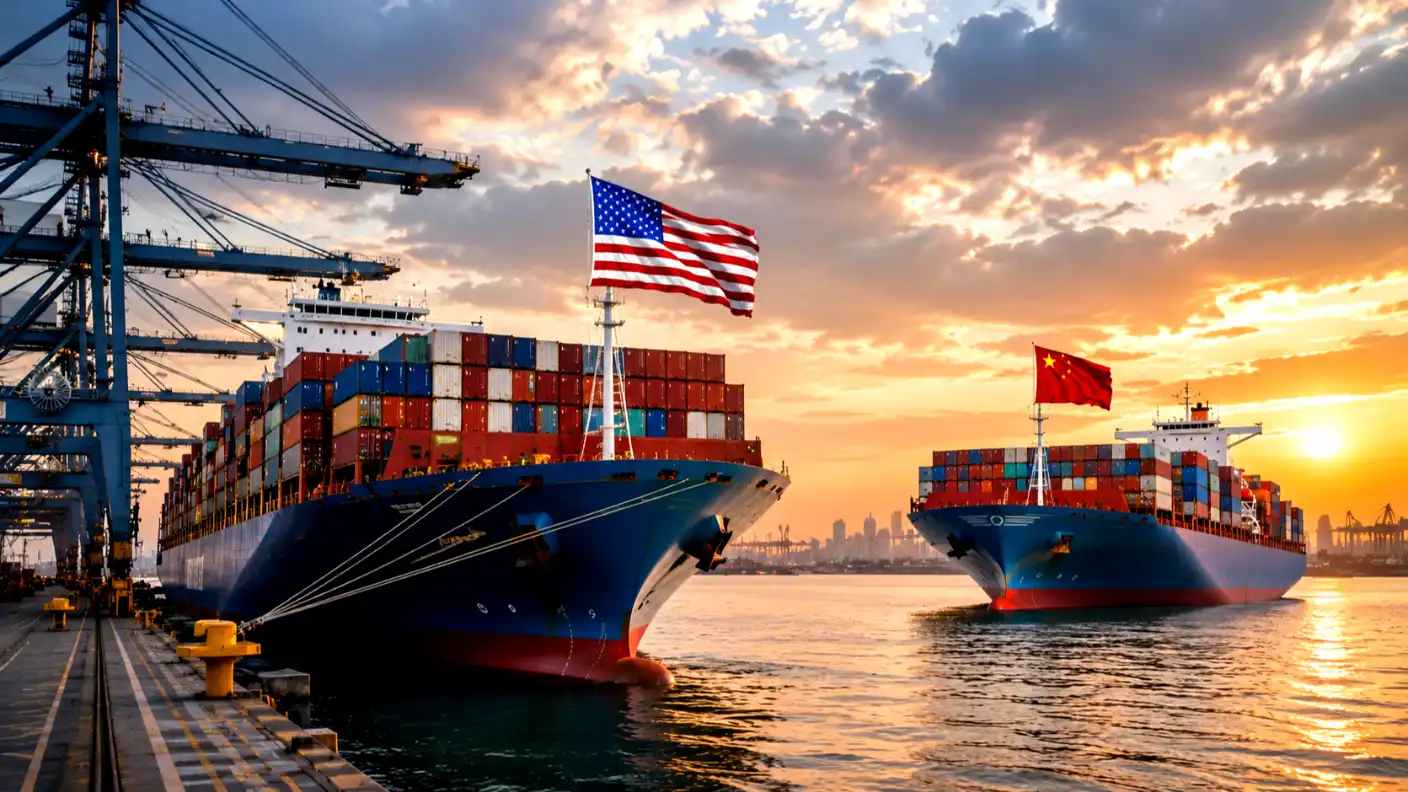
Global shipping companies also celebrated the positive trade news. Port operators in California and major coastal cities in China expect cargo volumes to jump by at least 12 percent over the next quarter. As the two nations lower trade barriers, logistics firms plan to hire thousands of new dock workers and truck drivers to handle the increased flow of goods.
A spokesperson for the Ministry of Commerce called the meetings highly productive and beneficial for both sides. The official stressed that working together creates wealth, while fighting trade wars only destroys jobs. Both Washington and Beijing clearly want to protect their domestic markets while keeping global supply chains moving efficiently.
Negotiators plan to meet again in about 90 days to verify that both sides are honoring the new agreements. They will track the $35 billion in farm purchases and monitor the new tariff rates closely. If this first phase goes smoothly, the two countries will tackle even tougher issues, such as software regulations and data privacy, in their next round of talks. For now, international business leaders are breathing a massive sigh of relief.















