

Japan plans to spend a massive amount of money to help families pay their energy bills this summer. A government source revealed on Thursday that officials want to tap into 500 billion yen, about $3.1 billion, from emergency reserve funds. The government will use this cash to directly subsidize household electricity and gas costs during the hottest months of the year.
The ongoing war in the Middle East forced the Japanese government to take this drastic financial step. The fighting effectively closed the Strait of Hormuz, a crucial shipping lane for global energy supplies. Since Japan buys almost all of its oil and natural gas from other countries, this sudden closure threatens to send utility prices skyrocketing across the island nation.
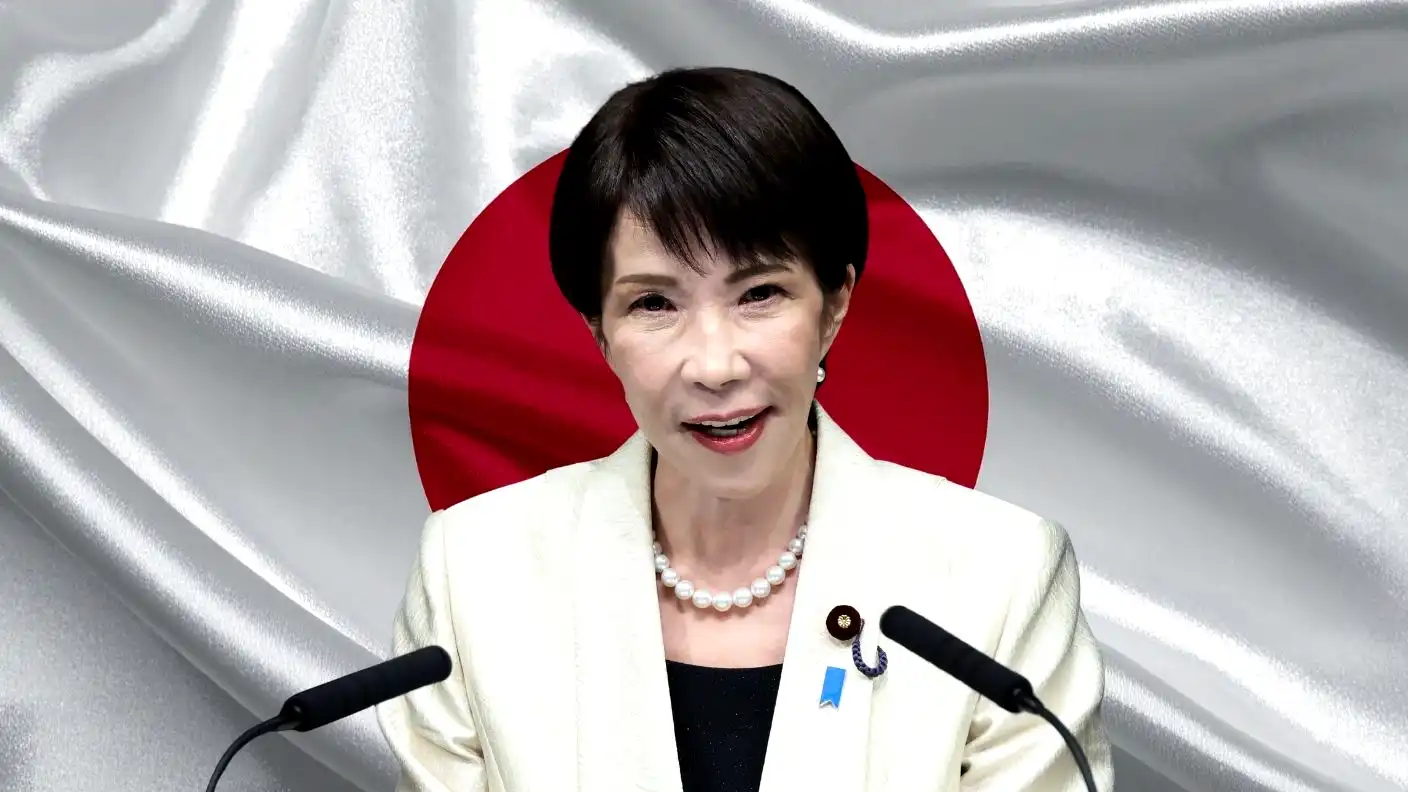
Prime Minister Sanae Takaichi took action to stop these price hikes earlier this week. On Monday, she ordered her Liberal Democratic Party and its junior ruling coalition partner, the Japan Innovation Party, to draft detailed support measures. She wants these new subsidies to keep summer utility bills lower than the prices Japanese families paid last year.
The government intends to spend significantly more per household this summer than in the same period last year. Last summer, between July and September, officials used exactly 288.1 billion yen from the fiscal 2025 budget to help families. That specific program reduced the average household energy burden by roughly 1,000 yen every single month. By nearly doubling the budget to 500 billion yen this year, lawmakers hope to deliver even larger monthly discounts to consumers.
Summer in Japan brings extreme heat and brutal humidity to the islands. Millions of citizens rely heavily on air conditioning just to survive the high temperatures, especially in dense concrete cities like Tokyo and Osaka. This seasonal weather pattern naturally creates a massive spike in electricity demand. To meet this demand, power companies burn far more imported fuel just to keep the power grid running without blackouts.
The current closure of the Strait of Hormuz presents a nightmare scenario for these energy planners. Massive tanker ships use this narrow waterway to transport liquefied natural gas and crude oil from the Middle East to buyers in Asia. With ships unable to pass safely through the combat zone, energy companies must find alternative, much longer shipping routes. Sometimes they must buy fuel from entirely different regions at a steep premium, passing those extra costs straight to the consumer.
Japan possesses very few natural energy resources within its own borders to fall back on. The country imports nearly 90 percent of its total energy needs. When global shipping lanes close or international conflicts erupt, Japanese consumers feel the financial pain almost immediately at the gas pump and on their monthly utility statements.
The Japanese government first introduced these specific electricity and gas subsidies back in January 2023. Officials launched the original program to protect citizens from soaring energy prices caused by the sudden Russian invasion of Ukraine. Since that initial launch, the government has provided financial assistance intermittently. Politicians mostly target the peak summer cooling and winter heating seasons, when daily usage is highest.
Tapping directly into the national reserve funds allows the government to bypass lengthy parliamentary debates. Lawmakers set aside these emergency reserves in the national budget specifically to handle unpredictable global crises. By accessing the 500 billion yen immediately, the Takaichi administration can roll out the financial relief before the worst of the summer heat wave actually arrives.
Families across Japan will watch these political moves closely over the next few weeks. Rising inflation already squeezes household budgets, making groceries and daily necessities much more expensive. If Prime Minister Takaichi successfully pushes this $3.1 billion subsidy package through, it will provide much-needed breathing room for millions of people trying to keep their homes cool this summer.















