

China plans to sign massive new economic partnership agreements with African nations to guarantee long-term trade growth. On Friday afternoon, Chinese Foreign Ministry spokesperson Guo Jiakun shared highly positive updates about the country’s landmark zero-tariff policy during a regular press briefing in Beijing. Government officials want to build permanent institutional safeguards to keep trade flowing smoothly and ensure that the zero-tariff treatment remains highly effective.
The generous trade policy officially took effect on May 1, completely reshuffling global trade dynamics. China has made history as the very first major economy to voluntarily offer a 100 percent tax exemption to all African nations that maintain friendly diplomatic ties with Beijing. Currently, exactly 53 African countries qualify for this zero-tariff treatment. This massive policy change allows African farmers and factory owners to sell their goods directly to Chinese buyers without paying a single cent in border taxes.
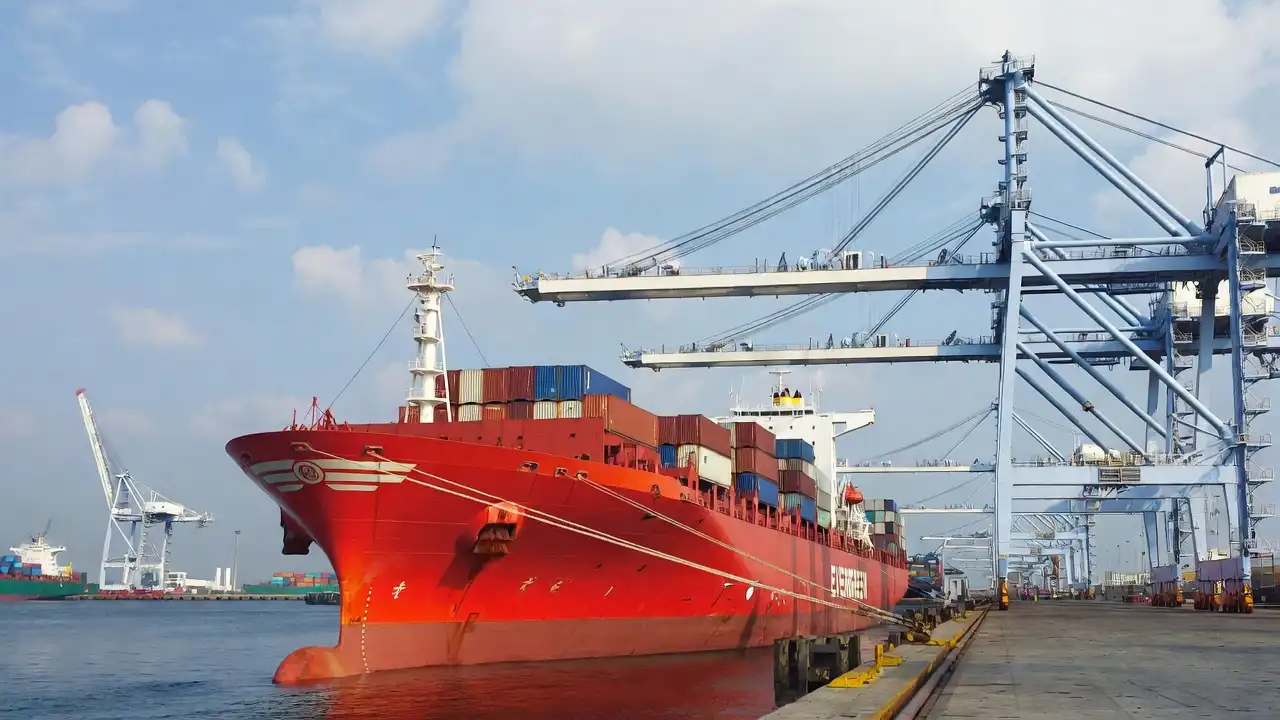
The historic trade program started with a highly anticipated shipment on the very first day. At exactly midnight on May 1, a massive cargo shipment containing 24 tonnes of fresh South African apples cleared customs. This shipment officially became the very first batch of imports to enter the Chinese market under the zero-tariff rules. Since then, the flow of goods across the ocean has increased rapidly.
Over the past 20 days, a wide variety of African goods successfully cleared customs at various ports and entered the local markets. Chinese shoppers can now buy fresh avocados from Kenya and sweet citrus fruits from Egypt. Industrial companies also imported massive shipments of gypsum from Morocco and bovine bone chips from Nigeria. In addition, South African wineries and pharmaceutical companies successfully shipped premium wine and raw medicine ingredients directly to Chinese business partners.
This massive tax cut does much more than just enrich the product selection on local store shelves. The zero-tariff treatment actively lowers the daily cost of trade between the two massive regions, which has already pushed average import costs down by 1.5%. Financial analysts predict this policy will easily boost bilateral trade by more than $1.5 billion annually. Most importantly, the stable trade rules have contributed substantially to the trust of African farmers and exporters, who now feel secure investing more money to expand their production lines.
Guo emphasized to reporters that the zero-tariff policy is not just a standalone tax cut. Instead, the government designed the program as a core part of a much broader, coordinated package of supporting measures. To ensure fresh goods do not rot at the docks, China upgraded its special “green lanes” for importing African agricultural and food products.
Customs officials also completely streamlined their quarantine clearance procedures. They introduced new, highly efficient facilitation measures, including tiered risk-based management. This smart system allows low-risk food shipments to bypass lengthy inspections and reach supermarket shelves in record time. By combining these fast-track customs procedures with a total tax holiday, China hopes to build the most efficient and reliable trade corridor in the developing world.
This aggressive trade expansion fits perfectly into China’s long-term global economic strategy. By opening its doors to 53 African nations, Beijing secures a steady supply of raw materials and fresh food for its massive population. At the same time, African nations gain direct, tax-free access to a consumer market of over 1.4 billion people. This partnership helps African economies grow rapidly and reduces their reliance on traditional Western markets that often charge high tariffs.
As the new trade deals move forward, the relationship between China and the African continent will only get stronger. Economists expect the two sides to sign several more economic partnership agreements before the end of the year to lock in these gains. By building a stable, rules-based trading environment, China and its African partners are setting a brand new standard for international cooperation and shared development across the Global South.















