
The United States military has fired so many of its high-tech weapons during its ongoing war with Iran that some administration officials now openly worry about national security elsewhere. A startling new report from the Wall Street Journal reveals that the Pentagon’s severely depleted missile stockpiles could prevent the United States from fully carrying out plans to defend Taiwan against a near-term Chinese invasion.
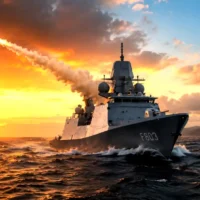
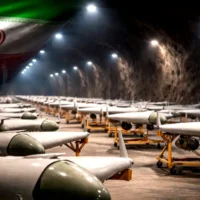
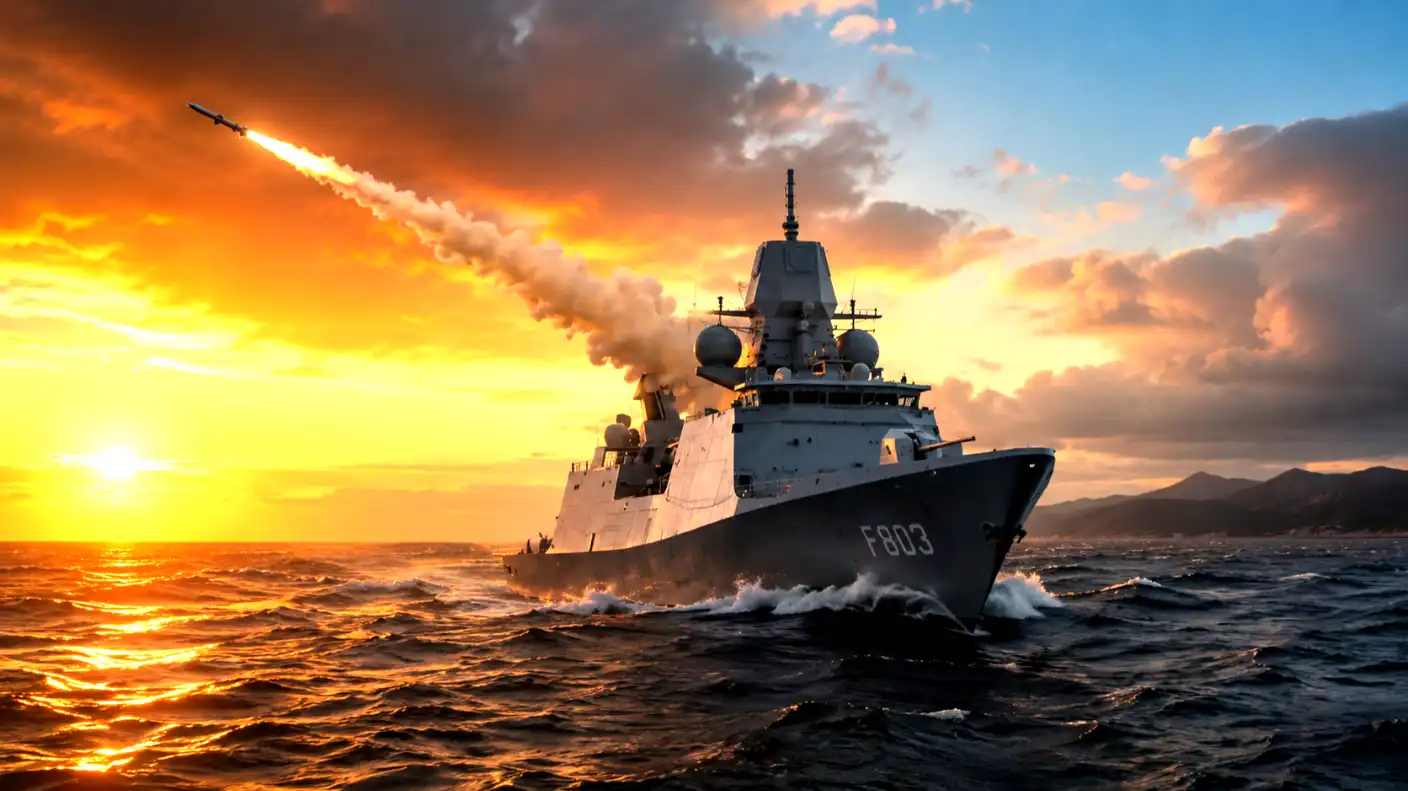
Since the war in Iran began with sudden airstrikes on February 28, the American military has kept its forces in a state of high-intensity combat. US warships and aircraft have fired more than 1,000 long-range Tomahawk missiles and up to 2,000 advanced air-defense interceptors to protect naval vessels and hit target sites. This rapid rate of fire has drained crucial stockpiles much faster than American defense factories can replenish them.
Restocking these highly complex weapons systems represents a massive logistical and industrial challenge. Government officials told the Wall Street Journal that fully rebuilding these depleted reserves could take as long as 6 years. This multi-year timeline leaves a highly dangerous window of vulnerability for the United States as global tensions continue to rise elsewhere.
Independent military experts share these severe concerns. An analysis from the Center for Strategic and International Studies (CSIS), a prominent Washington-based think tank, estimated that it will take between 1 and 4 years just to restore the military’s missile stocks to their pre-war levels. CSIS issued a stern warning, noting that even before the war with Iran began, US stockpiles were already insufficient for a high-intensity fight against a peer competitor like China.
The severe ammunition shortfall comes at a terrible time for regional stability in the Pacific. China continues to increase its military posturing around Taiwan, holding joint combat readiness patrols and threatening to take the self-governing island by force. CSIS warned that any potential war against China in the Taiwan Strait will consume munitions at even greater rates than the current Middle East conflict, and the current shortages will heavily constrain US military operations should a conflict arise.
To address the alarming deficit, some administration officials argue that the United States must inject massive funding into its domestic defense industry. They want to scale up production lines aggressively. They also suggest that the Pentagon should shift its focus toward building lower-cost, simpler weapons that factories can manufacture much more quickly.
However, turning to cheaper alternatives comes with serious military trade-offs. The CSIS report warned that lower-cost weapons typically feature much shorter ranges. In a potential conflict across the massive Pacific Ocean, shorter-range missiles would force US warships and aircraft to sail dangerously close to Chinese defense lines, exposing more American military assets and lives to enemy fire.
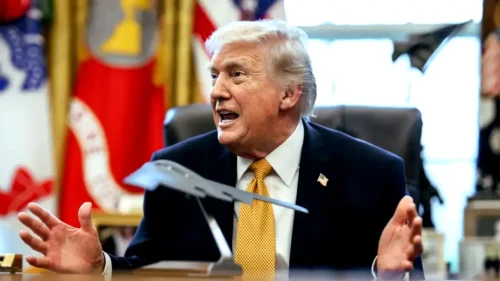
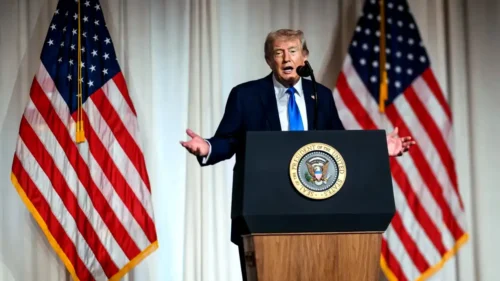
The ongoing war in Iran, which has already cost billions of dollars, continues to test the limits of American military might. While President Donald Trump insists the United States remains the strongest nation in the world, his generals face a hard mathematical reality. Until factories can pump out thousands of new missiles, the Pentagon must walk a very delicate line, balancing its current war in the Middle East with its promises to defend Taiwan.