
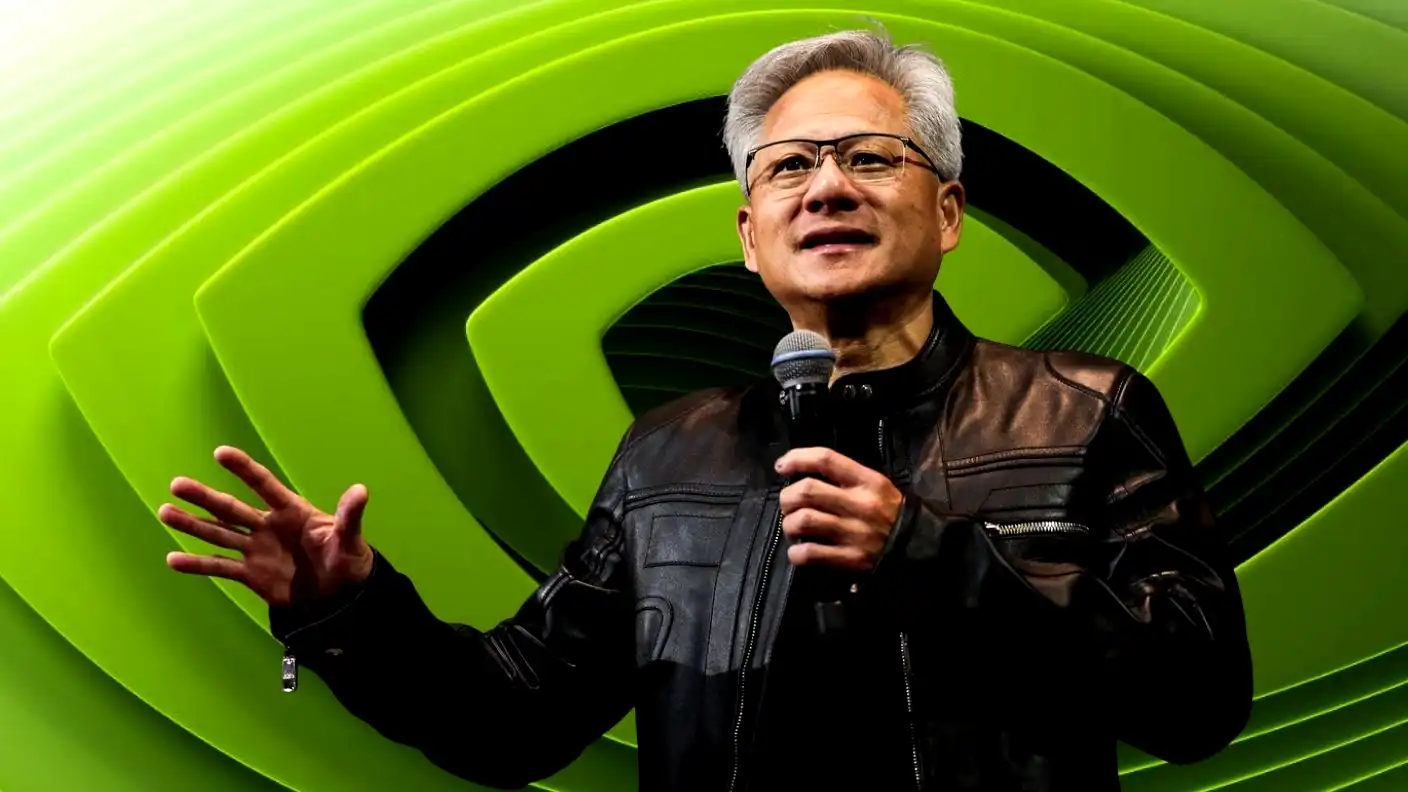
Nvidia chief executive officer Jensen Huang has urged server manufacturing giant Super Micro Computer to tighten up its internal compliance procedures. His comments follow Taiwan’s historic first-ever crackdown on semiconductor smuggling, during which local prosecutors moved to detain three people for allegedly forging export documents to sneak advanced artificial intelligence servers into China.
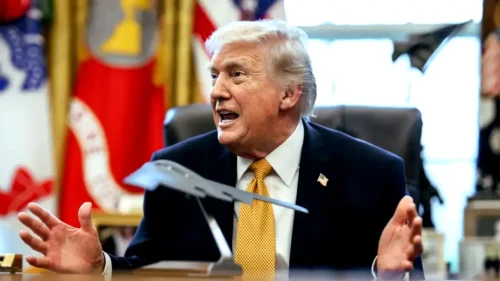
Huang arrived in Taipei on Saturday for a high-profile technology summit. When reporters asked him about the Taiwanese smuggling bust, he responded with unusually direct remarks. He explained that while Nvidia remains rigorous in explaining strict trade regulations to all of its hardware partners, Super Micro must ultimately take responsibility for running its own company. Huang urged the server manufacturer to immediately enhance and improve its regulatory compliance to prevent such illegal diversions in the future.
The local scandal unfolded on Wednesday, when the Keelung District Prosecutors’ Office executed search warrants at exactly 12 locations in Taiwan. Prosecutors moved to detain three suspects accused of forging shipping documentation and making fraudulent declarations. The suspects allegedly tried to sneak about 50 high-end AI servers, manufactured by US-based Super Micro and powered by restricted Nvidia graphics processing units, directly into mainland China, Hong Kong, and Macau.
This raid marks Taiwan’s very first formal enforcement action against semiconductor smuggling. The geopolitical stakes are incredibly high, as Taiwan manufactures the vast majority of the world’s most advanced computer chips. Washington has strictly regulated exports of these high-performance artificial intelligence chips to China since 2022 to prevent Beijing from using the technology to supercharge its military capabilities.
While this Taiwanese bust remains relatively small, it is separate from a much larger, multi-billion-dollar smuggling scandal. Just months ago, in March 2026, the United States Department of Justice unsealed a massive indictment against Super Micro’s co-founder and board member, Wally Liaw. US prosecutors accused Liaw, a Taiwan-based sales manager, and an outside contractor of orchestrating a breathtaking $2.5 billion smuggling ring.
The federal indictment alleged that the smugglers used a front company based in Southeast Asia to purchase massive volumes of restricted Nvidia graphics cards. The conspirators allegedly shipped the high-end servers to Taiwan, rerouted them to Thailand, and eventually packed them into unmarked boxes to smuggle them directly into mainland China. Tech giants like Alibaba reportedly purchased some of these restricted processors.
The March indictment sent shockwaves through Wall Street. Shares of Super Micro plummeted by a massive 33 percent on the day prosecutors announced the charges, wiping out billions of dollars in market value. The double blow of the massive US prosecution and the new Taiwanese arrests has placed the server manufacturer under intense regulatory scrutiny.
This dual crackdown has created a multi-jurisdictional enforcement environment, making it much harder for hardware distributors to claim ignorance about where their products end up. The news caused a 1.5 percent slide in semiconductor-related stocks on Friday morning as investors fretted over the possibility of stricter, more costly export audits.
Tech buyers and cloud providers must now perform extensive due diligence on the origin of their hardware to avoid legal exposure. With the global artificial intelligence infrastructure market projected to reach hundreds of billions of dollars, regulators in both Washington and Taipei are determined to plug every leak in the supply chain, ensuring that none of these powerful chips reach blacklisted foreign militaries.