
A high-level Qatari negotiating team arrived in Tehran on Friday to help secure a final deal to end the war. The team is working in close coordination with the United States to resolve the most outstanding issues between Washington and Tehran. This sudden move marks a massive policy shift for Doha, which had previously remained completely neutral in the conflict.
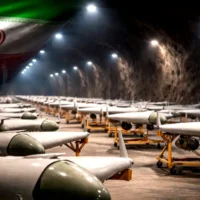
Qatar chose to distance itself from the peace talks earlier this year because the country faced direct danger. During the initial, violent stages of the war, Iranian missiles and drones targeted Qatari territory, forcing Doha to step back. However, as a major ally of the United States and a trusted back-channel to Tehran, Qatar decided to re-engage on Friday. The government hopes its involvement will help prevent a total economic collapse in the Middle East.
While Qatar is stepping in to assist, Pakistan remains the primary and official mediator. In fact, Pakistan’s Army Chief, Field Marshal Asim Munir, also flew to Tehran on Friday for urgent, high-level talks. His trip follows multiple visits by Pakistani Interior Minister Mohsin Naqvi this week. Pakistan has done a massive job of keeping the lines of communication open since the joint American and Israeli airstrikes first launched on February 28.
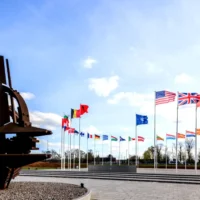
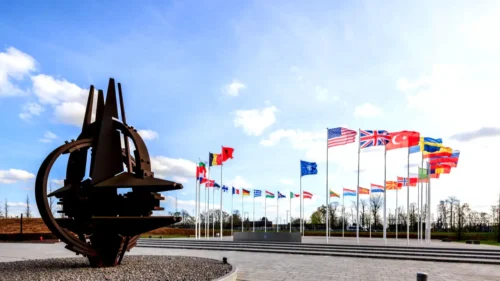
United States Secretary of State Marco Rubio addressed the Qatari team upon their arrival at a NATO meeting in Sweden. Rubio acknowledged that other Gulf nations have their own direct security interests at sea. However, he firmly reminded reporters that the United States’ primary partner is Pakistan and praised their admirable work. He noted that the peace talks have shown some positive signs of progress over the last 24 hours.
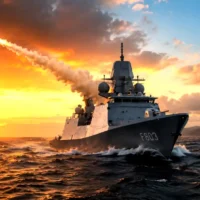
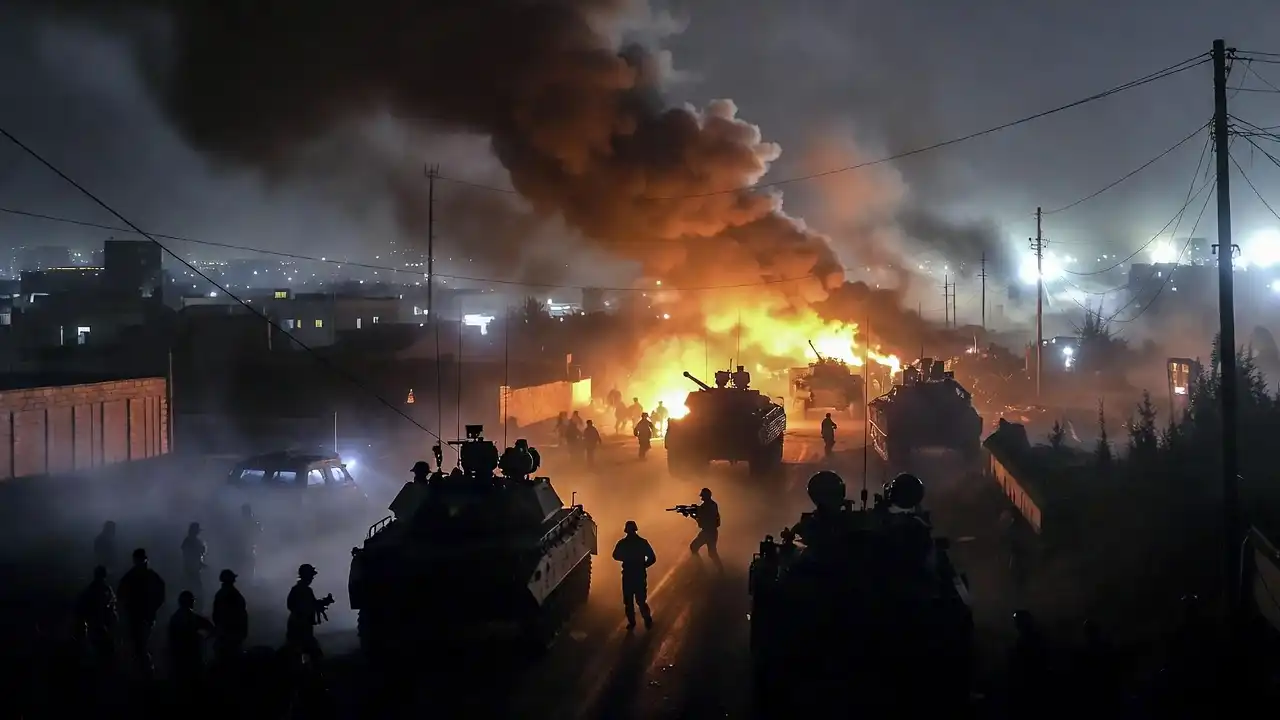
The urgent diplomatic visits happen while a highly fragile ceasefire holds the line. The war began in late February with joint American and Israeli airstrikes, and the region has suffered immense economic damage. The main roadblocks to a final peace deal include the ongoing United States naval blockade of Iranian ports and Tehran’s shutdown of the Strait of Hormuz.
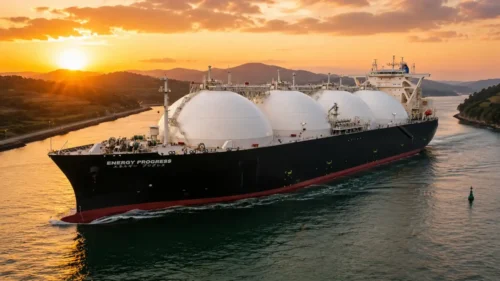
Reopening the Strait of Hormuz is the top priority for global trade. Before the war, this narrow channel handled roughly 20 percent of the daily global oil and gas supply. The prolonged blockade has cost international shipping companies over $1.5 billion per week in additional fuel and travel costs. If the waterway does not reopen soon, experts warn that global fuel inflation will spike by another 10 percent by July.
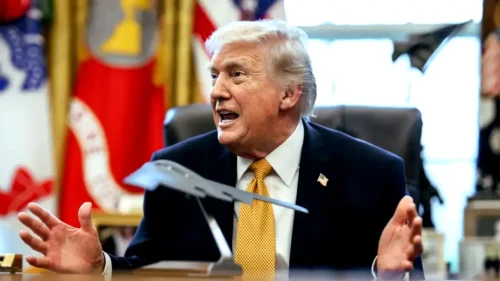
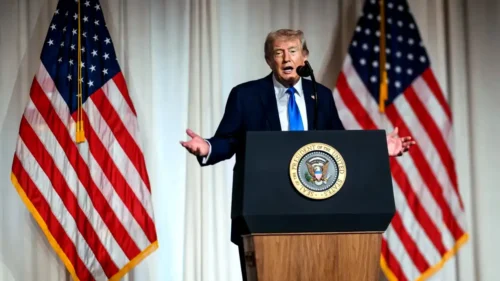
The Iranian government maintains a tough public stance. State media reports that Tehran does not seek any concessions from the United States. Instead, they demand that Washington lift all economic sanctions, unfreeze their assets, and completely end the naval blockade. However, Iran’s supreme leader recently ordered that the country’s highly enriched uranium must stay inside Iran, creating a massive clash with Trump’s demands.
The coming days will decide the fate of the Middle East. With negotiators from both Pakistan and Qatar now sitting in Tehran, diplomats have their best chance yet to hammer out a treaty. If they succeed, they will secure a peaceful future for the region. If they fail, the temporary ceasefire will collapse, and the US military stands fully ready to resume its devastating bombing campaigns.