

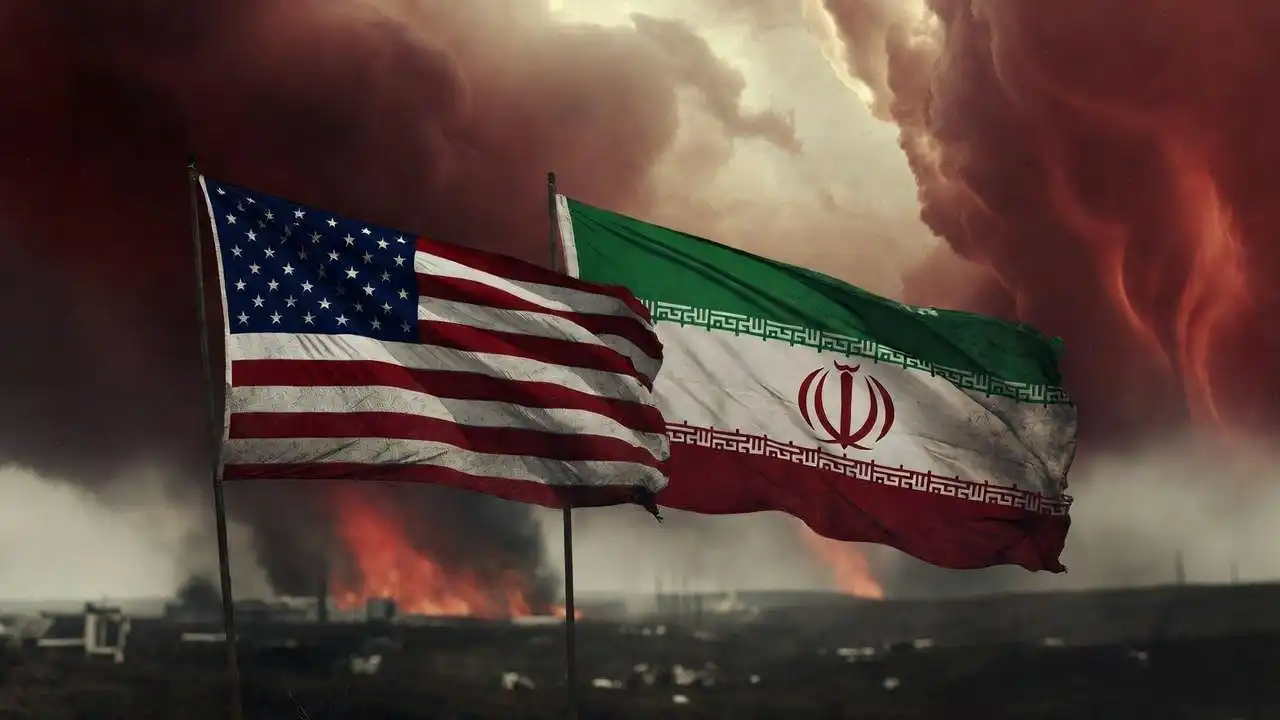
The United States and Iran traded fresh attacks in the Gulf on Monday. Both countries want total control over the Strait of Hormuz. The vital shipping route remains a dangerous chokepoint as the two nations enforce dueling naval blockades. This sudden burst of violence severely shakes a fragile peace agreement signed just a few weeks ago.
United States President Donald Trump triggered the latest showdown by launching a massive military operation called Project Freedom. He wants to help hundreds of stranded merchant ships travel safely through the strait. To get the job done, military leaders deployed 15,000 service members and more than 100 land and sea-based aircraft to the region. Trump described the mission as a humanitarian gesture to rescue foreign sailors trapped by the conflict.
Despite heavy threats from Tehran, the American military reported some early success. Navy guided-missile destroyers successfully escorted 2 American merchant ships through the dangerous waterway. One of those ships was the Alliance Fairfax, a large cargo vessel operated by the Maersk shipping company. While clearing the path, American forces also destroyed 6 small Iranian military boats that got too close to the convoy.
Iranian leaders completely denied that any ships crossed the strait and quickly answered the American operation with severe violence. They expanded their naval claims and launched fresh drone and missile attacks deep into the United Arab Emirates. One of these Iranian missiles hit the important oil port of Fujairah, setting the facility on fire. This specific port sits just outside the strait, making it a critical hub for global oil exports.
The chaos in the water also hit neutral countries. A South Korean merchant ship named the HMM Namu suffered a massive explosion in its engine room while sailing near the strait. Thankfully, rescue teams reported no injuries among the crew members. However, the smoking ship serves as a loud warning to other international shipping companies that the waters remain extremely deadly.
On the political stage, Iranian Foreign Minister Abbas Araqchi mocked the American naval effort. He took to social media and renamed the operation Project Deadlock. He insisted that guns and warships would never solve the crisis. Instead, he pointed to an ongoing diplomatic effort led by officials in Pakistan. Through these Pakistani mediators, Iran recently handed a 14-point peace proposal to American leaders.
This new Iranian peace plan asks the United States to drop its naval blockade and end the war before discussing any nuclear issues. Trump completely rejected the idea over the weekend. He told reporters he had reviewed the proposal but was entirely unsatisfied with the Iranian demands. The president stated clearly that he will not accept a bad deal and warned that he might order new airstrikes if Iran continues to act aggressively.
This bitter standoff stems from a brutal war that began on February 28. On that day, American and Israeli forces launched heavy bombing campaigns across Iran. The initial strikes killed Iran’s top leader, Ali Khamenei, and left thousands of people dead across the region. A temporary ceasefire took effect on April 8, but the peace barely holds together today.
The global economy feels the painful sting of this endless conflict. The Strait of Hormuz normally handles 20 percent of the world’s oil and gas supply. Because the ships could not move safely, oil prices jumped more than 5 percent on Monday afternoon. Major shipping companies refuse to send their expensive boats into a war zone, meaning the global supply chain remains broken.
Right now, neither side shows any willingness to back down. The United States Navy continues to block Iranian trade by sea, while Iran threatens to sink any ship that enters the strait without its direct permission. As diplomats struggle to find a workable peace plan, the world watches nervously to see whether Project Freedom will clear the waters or spark a much bigger war.















