
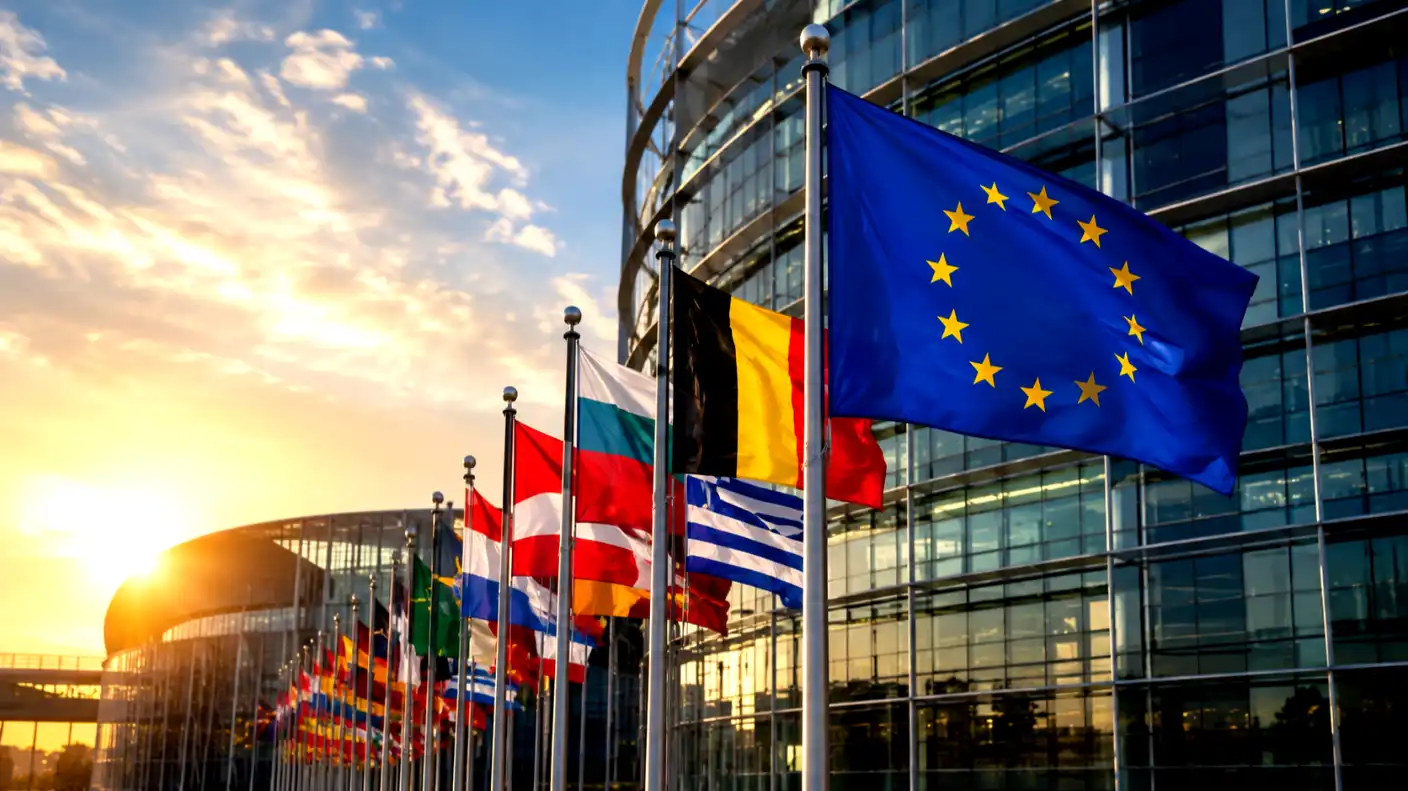
The European Parliament faces a bitter internal conflict over a new trade agreement with the United States. The two largest political groups in the building simply cannot agree on when to hold the next round of official negotiations. A recent attempt to move the agreement forward failed last week. Now, this failure drives a deep wedge between politicians who usually find ways to compromise and pass laws together.
The European People’s Party pushes hard to advance the schedule. They want to bring the meetings forward to finalize the fine details of the deal as quickly as possible. These conservative lawmakers argue that European business owners desperately need economic certainty right now. They warn that any further delay will hurt local industries and freeze future business investments across the 27 member states. They want to solve the problem before American officials lose their patience.
However, Bernd Lange refuses to change the calendar. Lange, a German politician who leads the Trade Committee for the Socialists and Democrats, firmly rejected the request to expedite the process. He insists that the negotiators will meet on May 19, just as they originally planned. People close to the matter say Lange feels absolutely no need to rush the standard democratic process simply because Washington demands quick action.
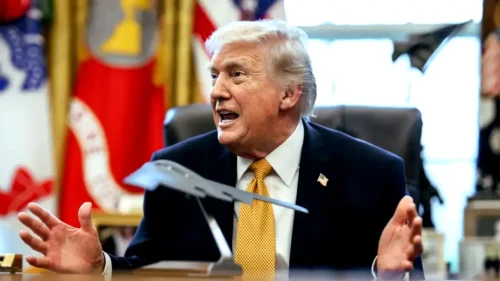
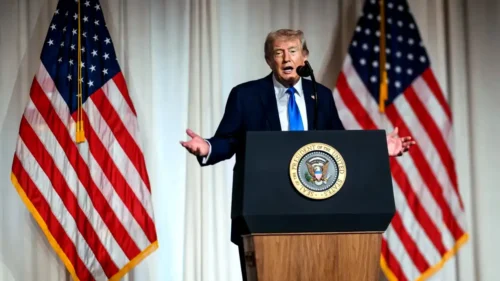
US President Donald Trump gave European leaders a strict deadline of July 4 to finish the paperwork and approve the agreement. The proposed deal forces the European Union to slash its tariffs on American goods to 0%. In return, the United States agrees to cap its tariffs on European products at 15%. Trump and European Commission President Ursula von der Leyen originally agreed on these core numbers last summer during a high-profile meeting in Turnberry.
The economic stakes involve billions of dollars and millions of jobs. Trump constantly pressures European leaders by threatening their most valuable exports. He recently promised to slap a massive 25% tariff on all European cars and trucks if the EU fails to approve the deal in time. A harsh penalty like that would cost European automakers over $50 billion in lost revenue within the first year. It would also put at least 100,000 factory jobs at serious risk across countries like Germany and France. The European People’s Party takes these threats very seriously and wants to protect the massive automotive industry.
On the other side, the Socialists and Democrats refuse to let fear dictate their daily schedule. They point directly to recent legal rulings in United States courts. American judges recently struck down some of Trump’s previous global tariffs. Because of these sudden legal defeats in America, the Socialists believe Trump holds far less power than he claims in his speeches. They see no logical reason to bypass standard procedures just to satisfy angry demands from the White House.
Lange recently issued a press release explaining his tough stance to the public. He praised his political colleagues for standing firm against the American campaign of threats. He stated clearly that European laws must never change just because the American president posts angry messages on social media. He believes European democratic rules require proper time, careful review, and open debate among all 705 elected members.
Lange also sharply rejected the heavy criticism coming from the United States. American officials claim Europe moves far too slowly and creates unnecessary roadblocks. Lange fired back, blaming Trump directly for the major timeline issues. He reminded everyone that Trump caused massive distractions with extreme ideas last year, such as his sudden demand to annex Greenland. Lange called Trump’s claim that Europeans fail to meet their obligations completely false and totally irresponsible.
Despite this loud political fight, most lawmakers still expect a positive outcome before the July 4 deadline arrives. The daily trade relationship between the EU and the US covers roughly $1.3 trillion in goods and services every single year. These 2 massive economic powers share deep financial ties. Neither side truly wants to ruin such a profitable partnership over a simple scheduling argument. The current fight simply shows how different political groups handle extreme stress and public threats.
For now, the calendar remains completely fixed. Negotiators will gather on May 19 to work out the final rules and regulations of the agreement. They have exactly 6 weeks left after that meeting to finish the final document. Businesses on both sides of the Atlantic Ocean watch the situation very closely. They hope the politicians can stop arguing and finalize a deal that keeps trade flowing without imposing new taxes.