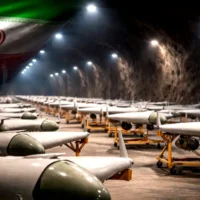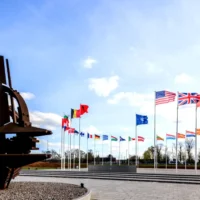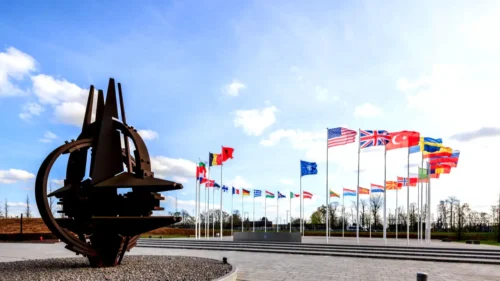

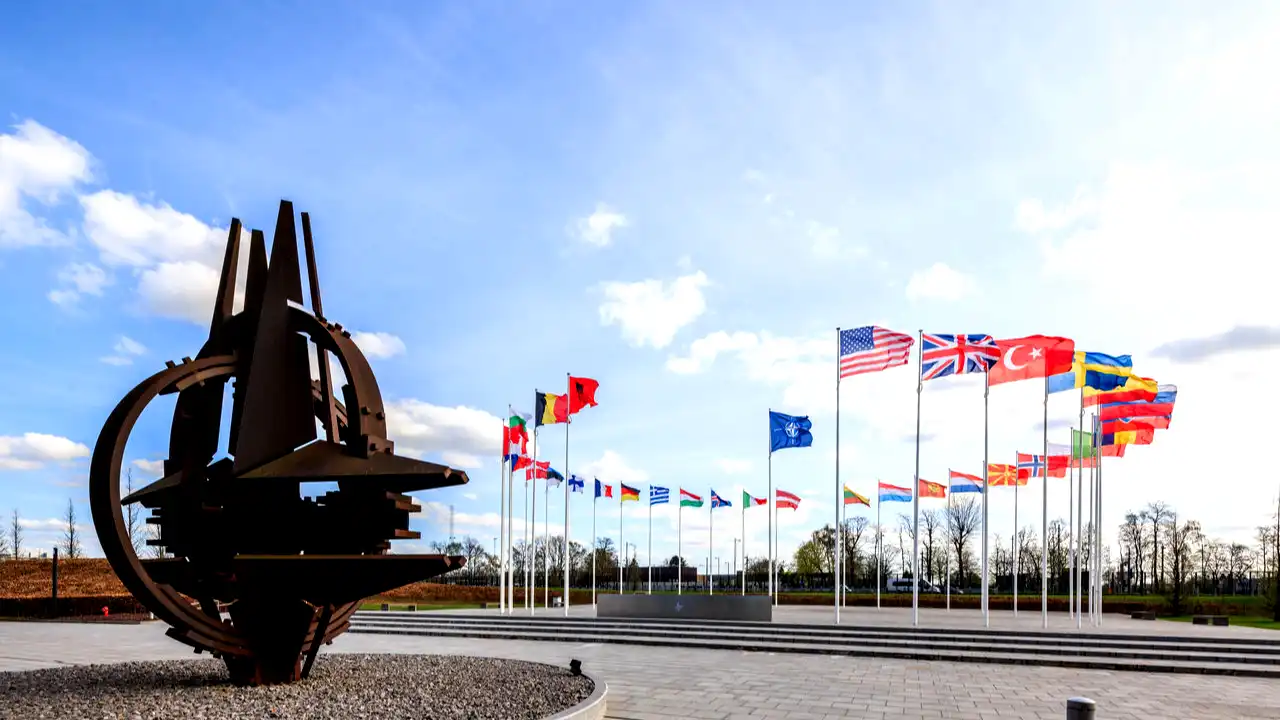
United States Secretary of State Marco Rubio delivered a blunt warning to European allies on Friday during a high-stakes meeting of NATO foreign ministers in Sweden. Rubio told the assembly that President Donald Trump feels deeply disappointed with several members of the military alliance who refused to support the United States during the war with Iran. The tense meeting in Helsingborg marks the first time Rubio has met with European ministers since Trump threatened to withdraw from the 32-member alliance entirely, throwing decades of global security cooperation into chaos.
Before boarding his plane, Rubio singled out Spain for refusing to let the American military use local bases to launch attacks against Iranian targets. He openly questioned why countries like Spain remain in the military alliance if they choose to deny the United States access to vital military facilities during a major crisis. “That is a very fair question,” Rubio told reporters. He argued that the main reason the United States participates in NATO is that the alliance provides bases that allow America to project its military power during global contingencies.
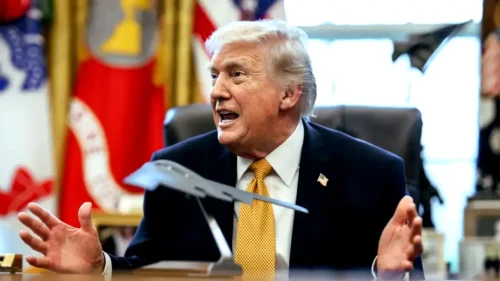
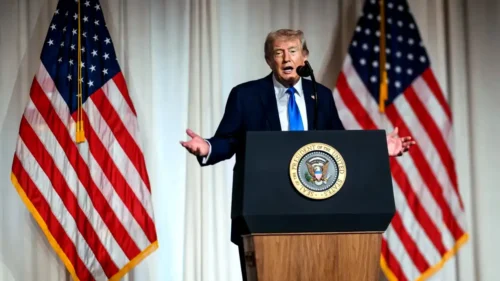
President Trump has fiercely criticized European allies for weeks, accusing them of going into hiding during the US-Israeli military campaign against Iran. The president has repeatedly threatened to withdraw from the alliance entirely, even questioning whether Washington is legally bound to honor NATO’s famous Article 5 mutual defense pact. This public skepticism has deeply unsettled European leaders, who rely almost entirely on American military power to deter potential threats from Russia.
In response to the American criticism, NATO officials quickly pointed out that the United States never formally asked the alliance to participate in the Iran war. Furthermore, they noted that many individual members have done their part behind the scenes. Countries like Britain, France, Germany, Italy, and Greece have quietly honored their commitments, allowing American warplanes to use their airspace and launch attacks from bases on their soil during the multi-month campaign.
To make matters more confusing, Trump threw a massive wrench into his own military plans just hours before the meeting began. The White House recently announced a plan to withdraw exactly 5,000 American troops from Germany over the next 12 months as part of a broader force reduction. However, on Thursday night, Trump posted on Truth Social that he plans to send an additional 5,000 troops directly to Poland instead. He cited his close relationship with Poland’s newly elected conservative president, Karol Nawrocki, as the sole reason for the sudden troop deployment.
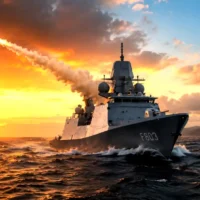
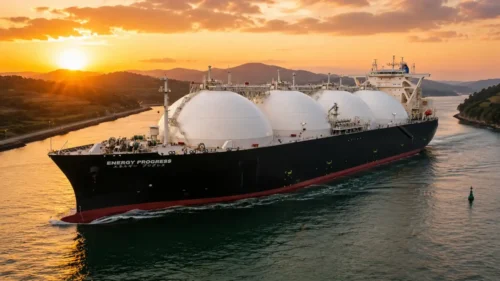
European ministers tried to placate the angry American administration by offering support for a future naval mission in the Strait of Hormuz. The vital shipping channel has been almost completely blocked since the war began on February 28, stopping nearly 20% of the world’s daily oil and gas trade. This massive shipping bottleneck has driven inflation in Europe up by an extra 1.5% and cost international cargo companies more than $1.5 billion every single week. France and Britain have offered to lead a multinational naval force to secure the strait as soon as both sides agree to a permanent ceasefire.
This deep transatlantic rift sets the stage for a highly fraught and difficult summit for the alliance this coming July. The 32 national leaders plan to meet in Ankara, Turkey, to celebrate the alliance’s 77-year history. However, Rubio made it clear that diplomats will not solve these massive problems during the current meeting in Sweden. He emphasized that the heads of state must address the deep strategic divisions in person at the Ankara summit, which he called one of the most critical meetings in modern history.
For now, European allies find themselves in a very difficult position. They must navigate Trump’s unpredictable decisions while preparing for a potential future without total American backing. As the peace negotiations in Pakistan continue to stall, European leaders realize they must take on more responsibility for their own security. If the ceasefire collapses and military strikes resume, the alliance faces a permanent fracture that could change global politics forever.