

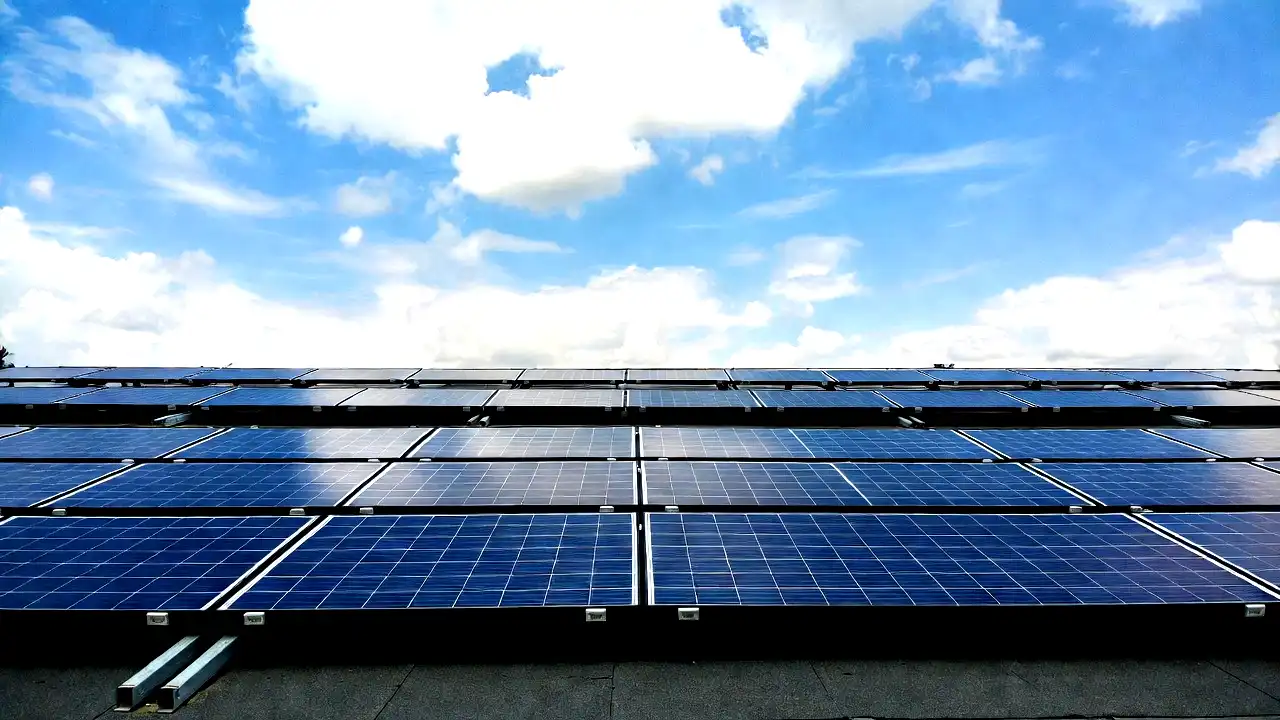
The European Union’s green economy is experiencing an unprecedented boom, driven by a record-breaking expansion of solar and wind energy. According to the latest data, EU member states have nearly doubled their green-economy output value over the past decade. This massive financial growth has made the environmental sector one of the most profitable and fastest-growing segments of the European market. Investors and policymakers alike are watching these numbers closely as they plan the continent’s future energy security.
The financial figures released by Eurostat, the European Union’s official statistical office, are absolutely staggering. In its latest report, the agency revealed that the EU’s environmental economy generated a record-breaking 1.33 trillion euros in output. This massive figure represents a solid 4.3 percent increase from the previous year. The green sector has grown so rapidly that it has almost doubled its output value since 2014, when the entire environmental economy was worth just 680 billion euros.
This rapid economic expansion is not a temporary trend. Since 2014, the total output of the European green economy has grown steadily by an average of 7.9 percent every single year. This consistent growth rate has easily outpaced many traditional industries, proving that investing in environmental protection can drive massive economic expansion. The data shows that the transition to green energy has moved from a small, specialized niche to become a major driver of the European Union’s gross domestic product.
The booming green economy is also creating millions of new jobs across the continent. Over the last ten years, employment in the European Union’s environmental sector rose from around 3.6 million full-time equivalent positions to a record high of 5.8 million. This represents a net increase of exactly 2.2 million green jobs over the decade, with an average annual employment growth rate of 5.5 percent. Even in the short term, the market remains strong, with green jobs growing by 4.2 percent in the last year alone.
Among the many activities within the environmental economy, the “Clean Air and Energy” sector contributed the absolute most to this massive job growth. This profitable segment focuses heavily on renewable energy production, such as installing large-scale solar farms and wind turbines, as well as implementing energy-efficiency measures in the construction industry. Other traditional environmental sectors, including municipal waste management and wastewater treatment, also acted as major engines for stable job creation.
Despite these record-breaking economic achievements, a dark cloud of political uncertainty has begun to hang over the green industry. Several European governments are starting to scale back or delay their ambitious environmental policies. Politicians face growing pushback from local voters and small business owners who argue that strict green regulations cost too much money during an inflation crisis. Critics argue that forcing companies to adopt expensive technologies too quickly will destroy their profit margins and hurt working-class families.
The European green transition also faces a severe competitive threat from abroad. European manufacturers struggle to compete with a flood of cheap solar panels and wind turbines imported from China. While these low-cost imports help EU countries install renewable energy at a record pace, they have decimated local European manufacturing. Furthermore, British and European intelligence agencies have recently warned that relying so heavily on Chinese equipment poses a major national security risk, leading to calls to remove Chinese hardware from national power grids.
Despite these political and geopolitical challenges, many economic experts believe the green transition has reached a point of no return. The ongoing energy crisis in the Middle East has reminded European leaders exactly how dangerous it is to rely on foreign fossil fuels. Investing in local solar and wind power remains the safest way for Europe to achieve true energy independence and protect its citizens from volatile global fuel prices.
Ultimately, the data prove that the green economy is no longer just a public relations tool for politicians. It is now a highly profitable, trillion-euro sector that employs millions of workers. Whether this massive boom can survive the current political backlash and continue its record-breaking pace remains the biggest question facing European leaders over the next decade.















