
Pakistani diplomats are working overtime to secure a breakthrough in the stalled peace talks between the United States and Iran. On Friday, Iranian Foreign Minister Abbas Araqchi met with his Pakistani counterparts in Tehran to discuss fresh proposals aimed at ending the war. The diplomatic hustle comes at a highly critical moment. Although a temporary ceasefire has paused active shooting for 6 weeks, the two warring sides remain deeply divided over Iran’s highly enriched uranium stockpile and the control of the vital Strait of Hormuz.
The mediation effort intensified following a series of quiet, high-level meetings. Just 2 days after delivering a direct message from the United States government to the Iranians, Pakistani Interior Minister Syed Mohsin Naqvi held another round of face-to-face talks with Araqchi in Tehran on Friday. Pakistan’s top military commander, Army Chief Asim Munir, also weighed whether to travel to the Iranian capital to add heavy military weight to the delicate diplomatic negotiations.
United States Secretary of State Marco Rubio offered a cautious but positive update on the situation. Speaking to reporters on Thursday, Rubio confirmed that negotiators have seen some good signs in the ongoing talks. However, he quickly warned that he did not want to be overly optimistic and said the world must wait to see what happens over the next few days. Rubio also made one point completely clear: the United States will never accept any deal if Tehran attempts to enforce an illegal tolling system in the Strait of Hormuz.
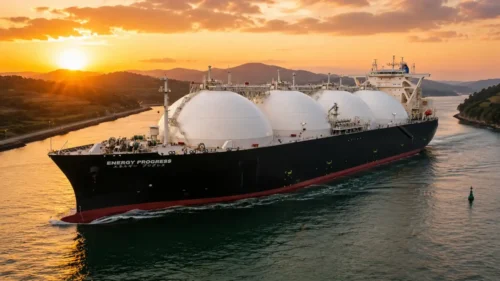
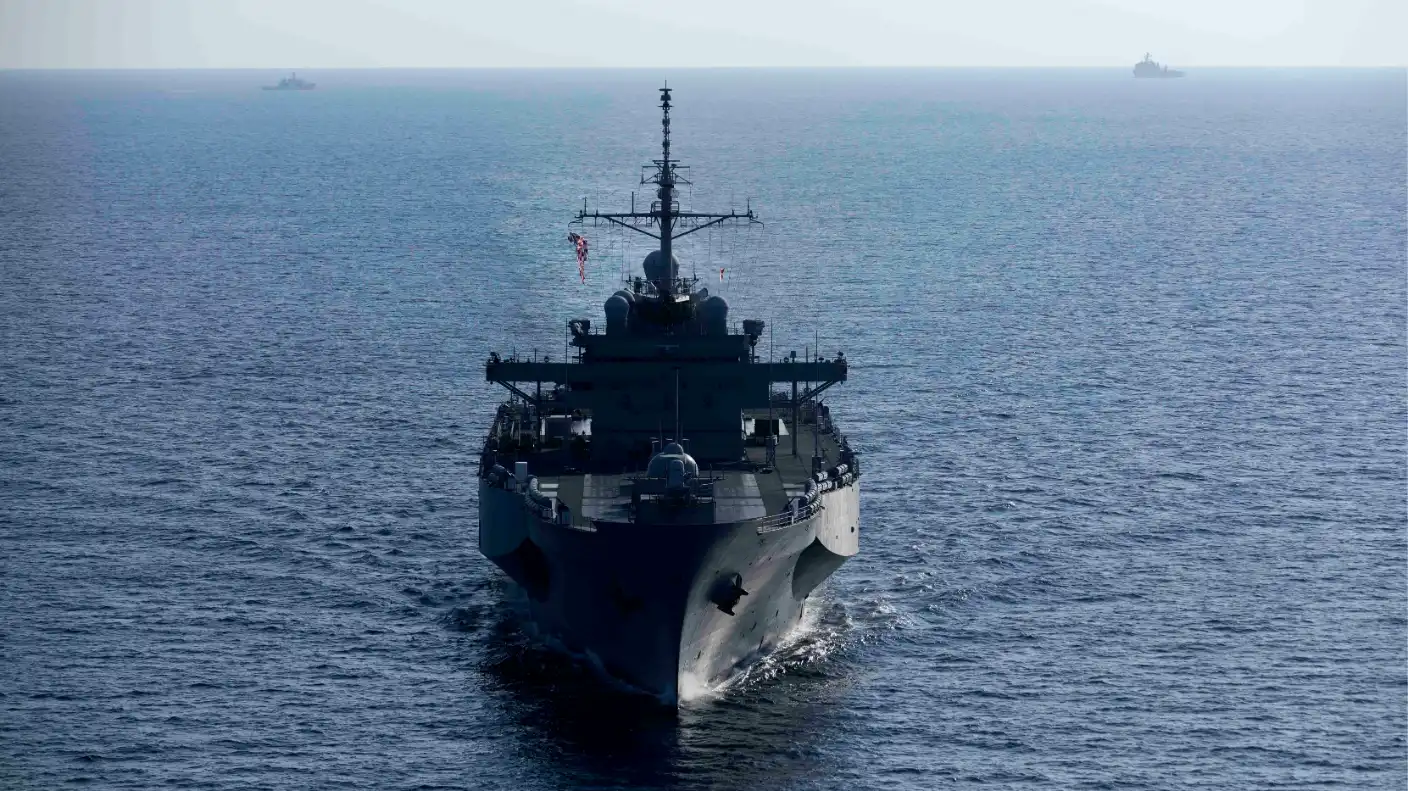
The maritime shipping corridor has been almost entirely closed to commercial vessels since the US-Israeli war on Iran began with massive airstrikes on February 28. Under normal peacetime conditions, roughly 20 percent of the world’s daily oil and liquefied natural gas shipments pass through this narrow waterway. The prolonged closure of this critical trade chokepoint has upended global markets, costing international shipping companies over $1.5 billion per week and sparking severe inflation fears.
This economic anxiety keeps the global financial markets on edge. On Friday, international oil prices climbed once again as investors doubted the prospects of a quick diplomatic breakthrough. Brent crude futures jumped 2.3 percent to settle at $104.96 a barrel, while the American benchmark West Texas Intermediate rose 1.8 percent to hit $98.08 per barrel. Financial analysts warn that if the Strait of Hormuz remains blocked, fuel prices will stay high, keeping the US dollar near its strongest level in six weeks.
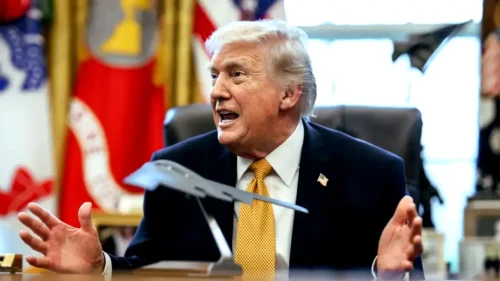
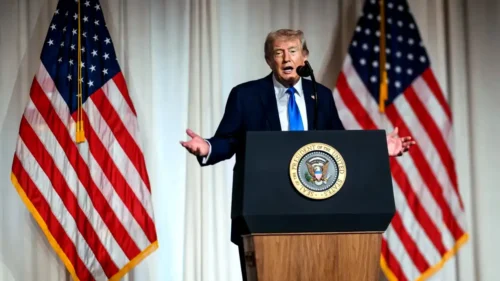
The high cost of gasoline also creates massive political trouble for Trump back home. The president faces intense domestic pressure ahead of the crucial congressional midterm elections in November. US inflation has spiked by an extra 1.5% over the past two months due to the fuel crisis, dragging his public approval rating down to roughly 34%, near the absolute lowest level since he returned to the White House last year. Trump promised voters that gas prices would drop as soon as he forced Iran to sign a non-nuclear peace deal.
A senior Iranian source told Reuters that while negotiators have narrowed some of the gaps, several major sticking points remain. Tehran’s latest peace proposal largely repeats old demands that Trump already rejected, including a total end to the US naval blockade, the release of frozen Iranian assets, and the withdrawal of US troops from the region. In addition, Iran’s supreme leader recently issued a strict directive forbidding any of the country’s enriched uranium from leaving the country, completely contradicting Trump’s demand that Iran surrender its entire nuclear stockpile.
For now, Pakistan’s mediators continue their frantic shuttle diplomacy to prevent the ceasefire from collapsing into a much larger war. A source close to the negotiations said their primary goal is to accelerate the pace at which the two sides exchange messages. Both nations must find a way to compromise on the issues of sea tolls and nuclear fuel, or the region faces a sudden return to full-scale combat that could send global oil prices skyrocketing past $150 a barrel.