

Chinese Foreign Minister Wang Yi met with visiting Moldovan Deputy Prime Minister Mihai Popsoi in Beijing on Thursday. Following the high-level meeting, the Chinese Foreign Ministry released an official statement on Friday morning. Wang Yi told the Moldovan diplomat that Beijing deeply cherishes its traditional friendship with the Eastern European country. He emphasized that China aims to deepen these bilateral ties despite the significant geopolitical disagreements between the two nations over the ongoing war in Ukraine.
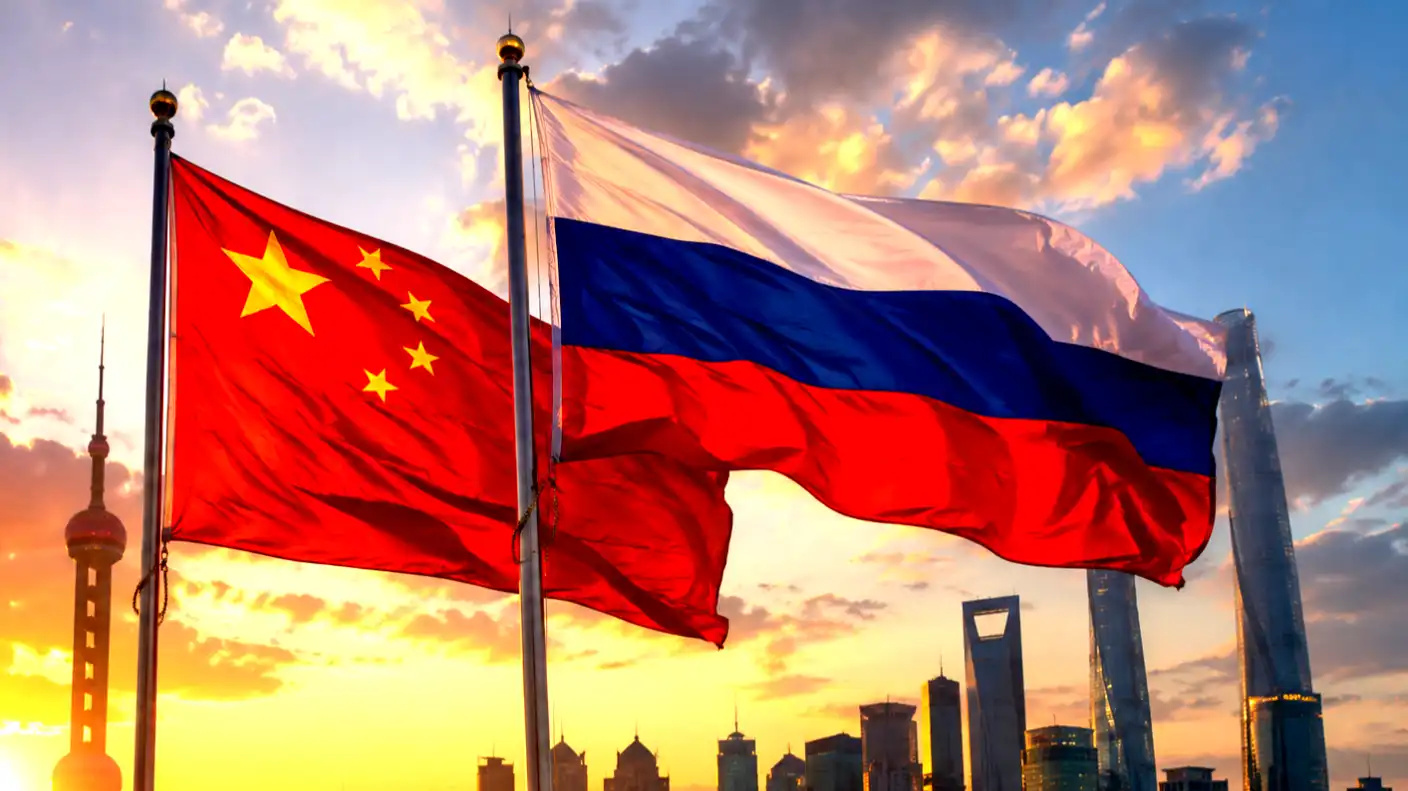
The timing of this diplomatic meeting raised many eyebrows in international political circles. Popsoi arrived in Beijing on the heels of a highly publicized, pomp-filled 24-hour state visit by Russian President Vladimir Putin. During that visit, Putin met with Chinese President Xi Jinping to sign major cooperation agreements. The two leaders pledged to increase their strategic coordination and mutual support against Western pressure. This massive show of unity with Moscow made China’s sudden, friendly welcome of a Western-leaning Moldovan leader quite notable.
Moldova is a small nation of roughly 2.5 million people that shares a long, vulnerable border with Ukraine. Ever since Russian forces launched their full-scale invasion of Ukraine in February 2022, the government in Moldova has lived in constant fear. Moldovan leaders have strongly and repeatedly condemned Russia’s military attacks. They worry that if Russia completely defeats Ukraine, their own small country will become the next target for Moscow’s expanding empire.
Moldova also has its own long-standing, bitter dispute with Moscow. A small, pro-Russian separatist region called Transdniestria broke away from the country while it was still part of the collapsing Soviet Union. Today, a Russian military contingent of about 1,500 troops remains stationed inside Transdniestria. While Moscow officially describes these soldiers as peacekeepers, the Moldovan government views them as an illegal occupying force that actively threatens national security.
China’s stance on the war in Ukraine stands in stark contrast to Moldova’s firm position. Since the conflict began over 4 years ago, Beijing has refused to condemn Russia’s attacks officially. Chinese state media also completely avoids using the word “invasion” to describe the war. Instead, the Chinese government repeatedly calls for a peaceful political settlement. Wang Yi reiterated this exact diplomatic position during his private conversation with Popsoi on Thursday.
The deep divide between the two diplomats became obvious in the final official report. The Chinese Foreign Ministry released a long readout detailing their discussions on trade and cooperation. However, they kept the most sensitive topic to a bare minimum. The very last line of the official Chinese statement simply and casually noted that the two sides also exchanged views on the Ukraine crisis, hiding the massive tension between the two governments.
Despite these massive disagreements over war and security, both countries want to rebuild their diplomatic bridges. Popsoi’s trip marks the very first time a Moldovan foreign minister has visited China in nearly 8 years. The long delay in high-level visits shows how much the relationship has cooled in recent years. By welcoming Popsoi to Beijing, Wang Yi hopes to revive traditional trade routes and show the world that China can maintain friendly ties with Eastern Europe.
This meeting fits into China’s broader economic strategy for the region. The Chinese government regularly invests millions of dollars into infrastructure and trade projects across Eastern Europe to secure new markets. By keeping the doors open to countries like Moldova, Beijing hopes to protect its economic investments and project an image of a balanced, neutral global mediator.















