
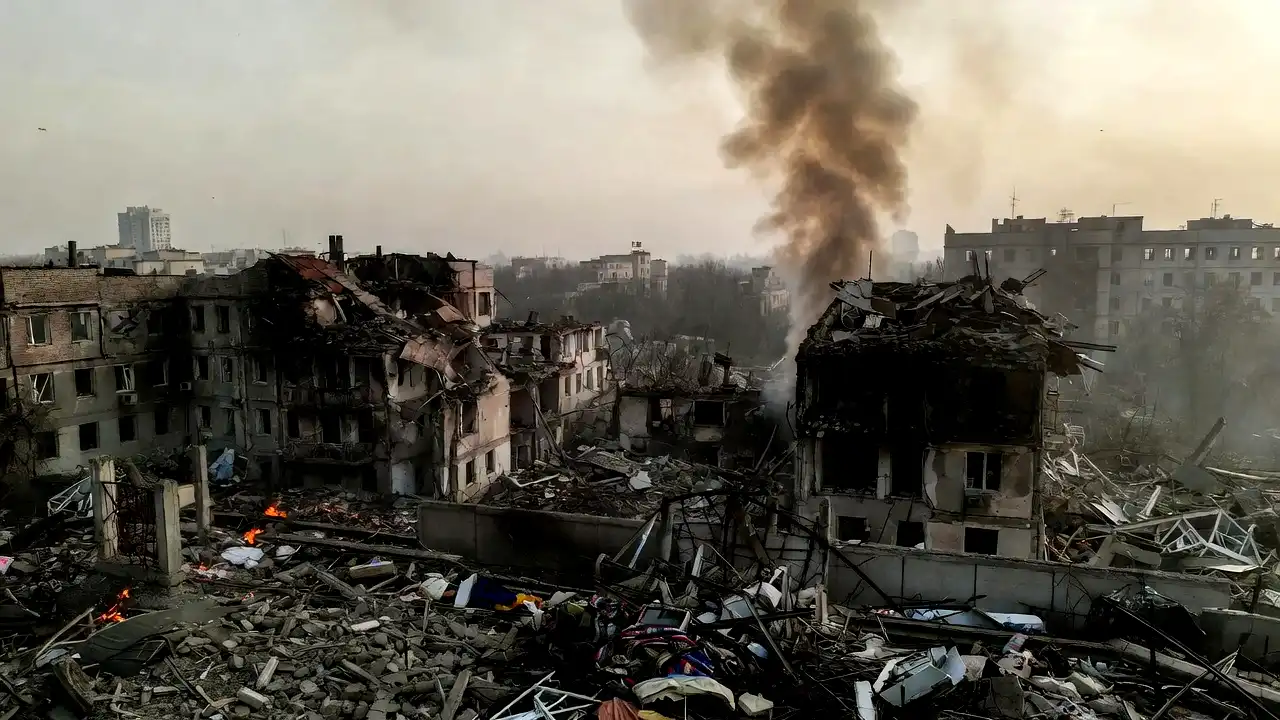
Israel attacked Beirut on Wednesday for the first time since agreeing to a temporary ceasefire last month. Israeli Prime Minister Benjamin Netanyahu and Defense Minister Israel Katz announced the military action together. They said the strike directly targeted a senior commander of Hezbollah’s elite Radwan force hiding in the southern suburbs of the capital city. Local Israeli media outlets reported that the sudden blast killed the commander instantly. However, the Israeli military and Hezbollah officials refused to release an immediate statement confirming his exact fate.
This explosive event threatens a much larger and very delicate truce between the United States and Iran. Iran strongly demanded a complete stop to Israeli attacks in Lebanon as a main condition for backing down from its own aggression. Just last month, American and Iranian diplomats told reporters they felt close to a major deal to end their shadow conflicts. Now, the new strike in Beirut puts that entire diplomatic effort at serious risk.
Down on the ground, the reality looks far from peaceful. Israeli ground troops still hold territory south of the Litani River. They carry out daily combat operations in southern Lebanon. In response to Wednesday’s strike, Hezbollah militants fired explosive rockets and launched armed drones right at Israeli soldiers. The Israeli military reported that these retaliatory strikes injured 2 Israeli soldiers holding the southern defense line.
The fighting now threatens to push even further north. Earlier on Wednesday, the Israeli military ordered residents living in several villages north of the Litani River to evacuate their homes immediately. This urgent evacuation order suggests Israel plans to expand its combat zone deeper into Lebanese territory. Israel already carved out a specific security zone that reaches exactly 10 kilometers into southern Lebanon. Israeli generals argue they need this 6-mile buffer to protect northern Israeli towns from Hezbollah fighters hiding in civilian neighborhoods.
Meanwhile, diplomats try to keep the fragile peace talks alive. Representatives from Israel and Lebanon continue to talk, but they meet only at the ambassadorial level. Lebanese Prime Minister Nawaf Salam spoke to the press on Wednesday and pushed back against rumors of a bigger summit. He clearly stated that scheduling any high-level meeting between top Lebanese and Israeli leaders right now is entirely premature.
Lebanese President Joseph Aoun agreed with his prime minister. Aoun stated this week that the timing feels completely wrong for a face-to-face meeting with Netanyahu. He demanded that Lebanon must secure a hard security agreement and a 100% stop to Israeli attacks before anyone even discusses a presidential summit. For now, any new negotiations will occur only between government envoys based in Washington.
Washington recently hosted 2 separate meetings between Israeli and Lebanese ambassadors. The United States government hopes to build positive momentum from these small steps. Hezbollah loudly objects to these diplomatic contacts. Ever since Hezbollah started the war by firing rockets on March 2 to support Iran, the Lebanese administration has faced intense internal pressure. Salam and Aoun are pushing the highest-level contacts with Israel seen in decades. This bold move exposes deep, angry divisions between the Shi’ite Muslim militant group and its political opponents in Beirut.
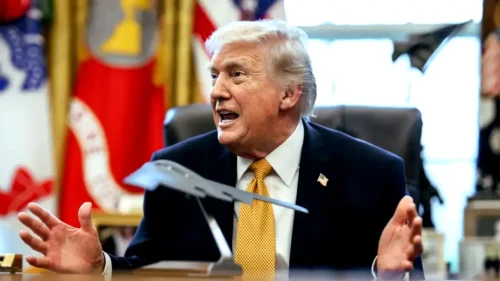
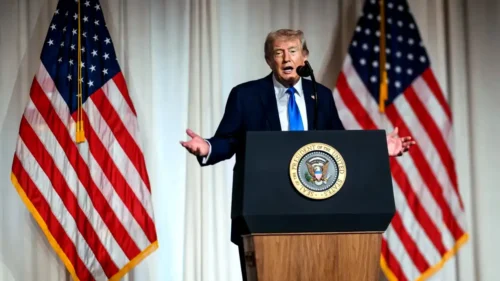
United States President Donald Trump still believes a historic deal remains possible. On April 23, Trump announced a 3-week extension of the initial ceasefire agreement. During that speech, he told reporters he looks forward to hosting Netanyahu and Aoun at the White House in the near future. The president confidently stated he sees a great chance the two warring nations will sign a permanent peace deal later this year.
Lebanon holds very specific demands before signing any final papers. Prime Minister Salam told reporters his country does not seek full cultural or economic normalization with Israel. He simply wants to achieve lasting peace. Salam said his absolute minimum demand is a clear, strict timetable showing exactly when Israel will pull its troops out of Lebanon. He also promised that his government would create a comprehensive plan to place all heavy weapons under state control. This specific promise aims to disarm Hezbollah forces completely.
While politicians argue about treaties, ordinary people continue to suffer the high costs of war. The Lebanese Health Ministry reported that another Israeli airstrike hit the southern town of Zelaya on Wednesday. That single strike killed 4 people, including 2 women and 1 elderly man. In response to the growing violence, the Israeli air force announced they successfully intercepted a hostile aircraft before it crossed the border into Israeli airspace. Israeli pilots also launched follow-up strikes, destroying Hezbollah infrastructure across several different areas.
The death toll keeps climbing on both sides of the border. The Lebanese Health Ministry says the ongoing war has killed more than 2,700 people in Lebanon since the major fighting began on March 2. The economic damage to the country is also staggering, costing the region roughly $1.5 billion due to destroyed homes, shattered roads, and lost businesses. On the other side, the Israeli military confirmed that Hezbollah fired hundreds of rockets and drones over the border over the past few months. Israel officially announced that 17 soldiers died fighting in southern Lebanon, while border attacks killed 2 civilians living in northern Israel.