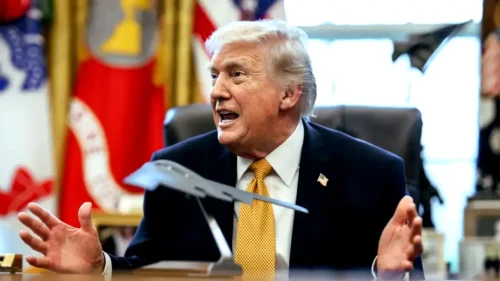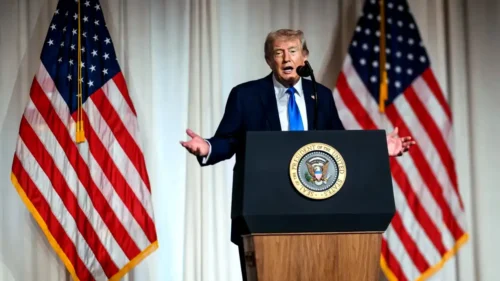

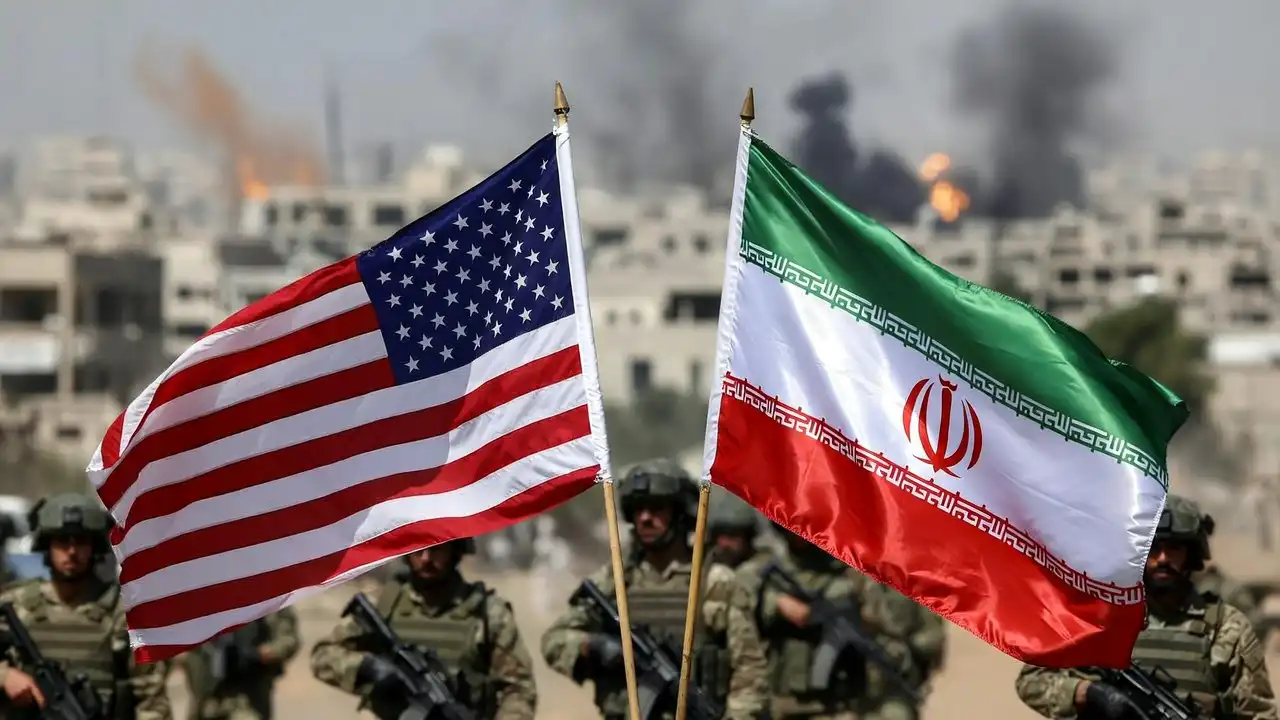
President Donald Trump rejected the latest peace offer from Iran on Monday, putting the current ceasefire on massive life support. Speaking from the Oval Office, Trump called the proposal from Tehran a piece of garbage. He told reporters he refused even to finish reading the document. This bold rejection brings the 10-week war between the two nations to a very dangerous moment.
Iran sent an offer in response to a peace proposal the United States presented last week. Tehran demanded that Washington immediately lift its naval blockade and provide relief from economic sanctions. At the same time, Iranian leaders insisted on keeping control over vessel traffic moving through the Strait of Hormuz. Trump originally proposed that Iran open the shipping lanes completely while the United States ends the blockade, leaving nuclear talks for a later date.
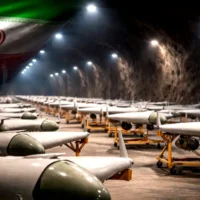
Iranian state media called the American plan a total surrender. Tehran demanded that the United States pay heavy war damages, release frozen Iranian assets, and lift all sanctions on oil sales. Furthermore, Iranian officials insisted that any agreement must end all fighting across the Middle East. This includes Lebanon, where Israel currently fights a parallel war against the militant group Hezbollah.
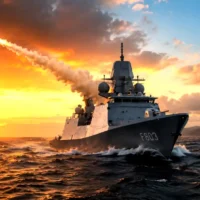
Trump refused to say whether he would order the military to resume bombing campaigns against Iran. However, he told reporters on Monday morning he might revive a plan to send the military to escort commercial ships safely through the vital waterway. Later in the day, Trump gathered his national security team to discuss the war and potentially review plans to resume military action.
When reporters asked if the two sides could still reach a diplomatic solution, Trump said a deal remains very possible. Still, he claimed without evidence that Iranian leaders plan to give the United States nuclear dust. Tehran shows no public signs of backing down and refuses to drop its nuclear program. Trump insisted he feels zero pressure and promised a complete victory.
The failing peace talks directly impact the global economy. Oil prices jumped almost immediately on Monday, pushing Brent crude to $104 a barrel. The ongoing conflict upended global oil and gas markets, creating a massive energy crisis. To ease the financial burden on everyday consumers, Trump announced his support for a temporary gasoline tax holiday.
The government took further steps to stabilize fuel costs. The United States Strategic Petroleum Reserve awarded exactly 53.3 million barrels of oil to private companies. Buyers include the oil trading firm Trafigura Group and the American refiner Marathon Petroleum Corporation. Officials hope releasing this massive wave of oil will help tame the surging prices stemming from the Middle East conflict.
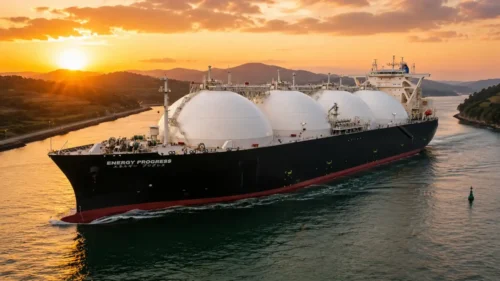
The Strait of Hormuz remains largely blocked to international trade. Before the war began, this waterway carried roughly 20 percent of the world’s oil and liquefied natural gas. Saudi Aramco Chief Executive Officer Amin Nasser said the global oil market loses exactly 100 million barrels every single week the strait remains shut. A tanker carrying gas from Qatar actually turned around and fled the strait on Monday to avoid the danger.
Iran stepped up its threats at sea. The country deployed several Ghadir-class midget submarines to patrol the Persian Gulf. Iranian news outlets called these submarines the invisible guardians of Hormuz. These vessels can fire anti-ship cruise missiles, terrifying shipowners who need to cross the chokepoint. Meanwhile, the United States Navy spends millions of extra dollars every time it sends a single destroyer through the waterway, because the ships require heavy surveillance from fighter jets and helicopters.
The chaos spreads far beyond the water. The broader conflict has already killed thousands of people across the Middle East. At the same time, newspapers reported that the United Arab Emirates recently launched direct assaults on Iran. The UAE suffered Iranian drone and missile attacks during the early days of the war and apparently decided to strike back.
Later this week, Trump will travel to Beijing to meet with Chinese President Xi Jinping. The war in Iran will dominate their discussions. American officials plan to confront China about the revenue it provides to Iran and discuss potential Chinese weapons exports. This high-stakes meeting adds another layer of tension to the 10-week crisis.