

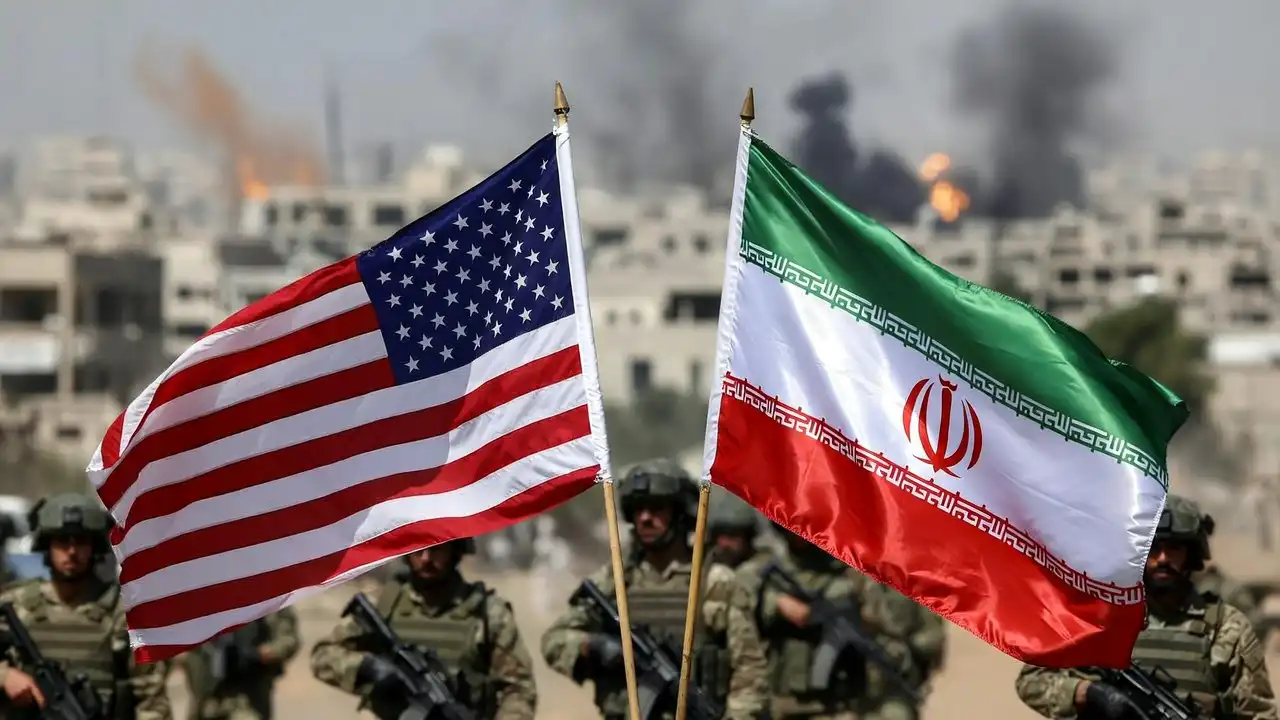
The United States and Iran refused to back down from their opposing positions on Thursday regarding Tehran’s highly enriched uranium stockpile and control over the Strait of Hormuz. Despite the ongoing deadlock, US Secretary of State Marco Rubio offered a small sliver of hope, telling reporters that negotiators have seen some good signs in the peace talks. However, both nations remain heavily armed and deeply suspicious, leaving the six-week-old ceasefire in a highly fragile state.
US President Donald Trump delivered a blunt warning at the White House on Thursday afternoon. He promised that the United States military would eventually recover Iran’s entire stockpile of highly enriched uranium. Washington firmly believes that Iran wants to use this material to build a nuclear weapon, though Tehran insists its nuclear ambitions are purely peaceful. Trump told reporters that the United States does not need or want the uranium and will likely destroy the material once they get their hands on it.
The primary transit route for global oil has become another major battleground in the talks. Trump and his allies fiercely oppose Tehran’s plans to charge fees for using the Strait of Hormuz. Under normal conditions, about 20% of the daily global supply of oil and natural gas passes through this narrow channel. Trump demanded that the waterway remain completely open and free of any tolls. Rubio warned that if Iran continues to pursue a tolling system, it will make a diplomatic peace deal completely unfeasible.
To prevent the war from reigniting, Pakistani mediators are working overtime to speed up communication between Washington and Tehran. Pakistan’s Army Chief Asim Munir traveled to Tehran on Thursday for urgent face-to-face talks. His trip follows a visit by Azerbaijani and Pakistani officials, including Pakistani Interior Minister Syed Mohsin Naqvi, who made his second trip to Iran this week to deliver direct messages from the United States government. The mediators hope to streamline communications before Trump’s patience runs out completely.
However, the military leaders in Tehran show no signs of surrender. Two senior Iranian sources revealed that Iran’s Supreme Leader Ayatollah Mojtaba Khamenei recently issued a strict directive forbidding any of the country’s enriched uranium from leaving the nation. The military’s powerful Revolutionary Guards also issued their own warning, stating that any renewed American airstrikes will trigger a crushing retaliation far beyond the Middle East region.
The International Energy Agency warned on Thursday that the ongoing conflict has produced the worst global energy shock in history. The agency released a grim forecast showing that peak summer fuel demand could push global energy markets into a dangerous red zone during July and August. High oil prices continue to fuel inflation worldwide, creating a massive cost-of-living crisis that has already cost global businesses billions of dollars.
This global energy crisis stems directly from the effective shutdown of the Strait of Hormuz. Before the war began on February 28, between 125 and 140 commercial ships safely crossed the channel every single day. Today, that massive flow of trade has shrunk to a tiny trickle. Iranian state media reported that only 31 ships passed through the strait over the last 24 hours, and those captains had to coordinate their movements directly with the Iranian navy.
Trump faces intense domestic pressure over rising energy costs. The high inflation and unpopular war have dragged his approval rating down to one of the lowest points since he returned to the White House. With crucial congressional midterm elections coming up in November, Republican insiders worry that angry voters will punish their party at the ballot box if gas prices do not drop soon.
The Iranian government submitted its latest peace offer this week, but the proposal mostly repeats terms that Trump previously rejected. Tehran demands total sovereignty over the Strait of Hormuz, financial compensation for war damage, the immediate lifting of all economic sanctions, and the complete withdrawal of American troops from the region. Trump repeatedly called these terms a non-starter, leaving the negotiations in a complete stalemate.
The United States and Israel originally launched the war to dismantle Iran’s nuclear and missile programs and curb its support for regional militias. They also hoped to make it easier for the Iranian people to overthrow their own government. However, nearly nine weeks after the first bombs fell, Iran still holds its weapons-grade uranium and its powerful missile arsenal, leaving the entire world waiting to see who will blink first.















